
'Snow Tor'; Russia Tests Specialised Arctic Missile System as Northern Air Defence Capabilities Grow
Military Watch Magazine Editorial Staff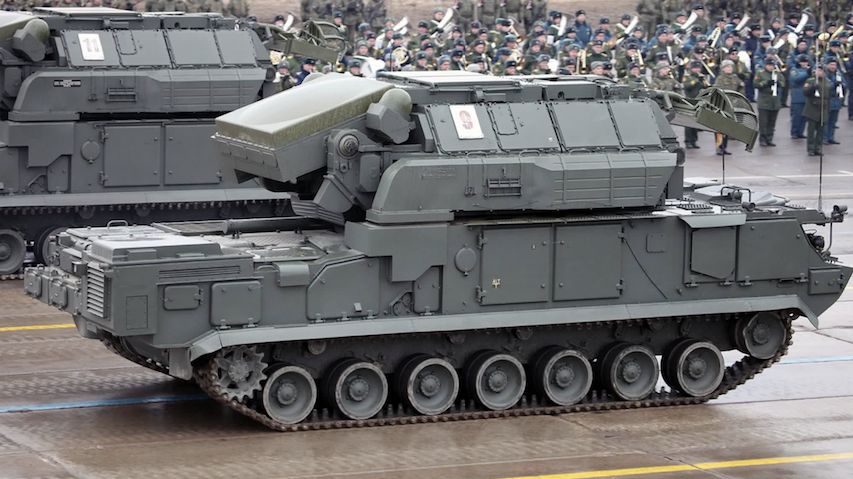
Russian Tor Air Defence Combat Vehicle
Russia’s Northern Fleet has tested a new version of the 9K330 Tor short ranged missile defence system, the M2DT platform, at the Kapustin Yar shooting range. Targets moved in different directions, and the interception was carried under conditions simulating enemy electronic attacks on the air defence system. All targets were eliminated despite these adverse conditions, indicating a high level readiness for combat. The latest variants of the Tor system such as the Tor-M2 are considered among the most resilient in the world to electronic warfare attacks. Amid a growing Western military presence in the Arctic, including the first deployment of a U.S. Navy supercarrier to the region since the Cold War in 2018, growing investments in Arctic training and equipment for the U.S. Marine Corps deployed in northern Norway, and British deployments of AH-64 Apache attack helicopters in February 2019, Russia has taken steps to strengthen its defensive capabilities and particularly its air defence capabilities in the region.
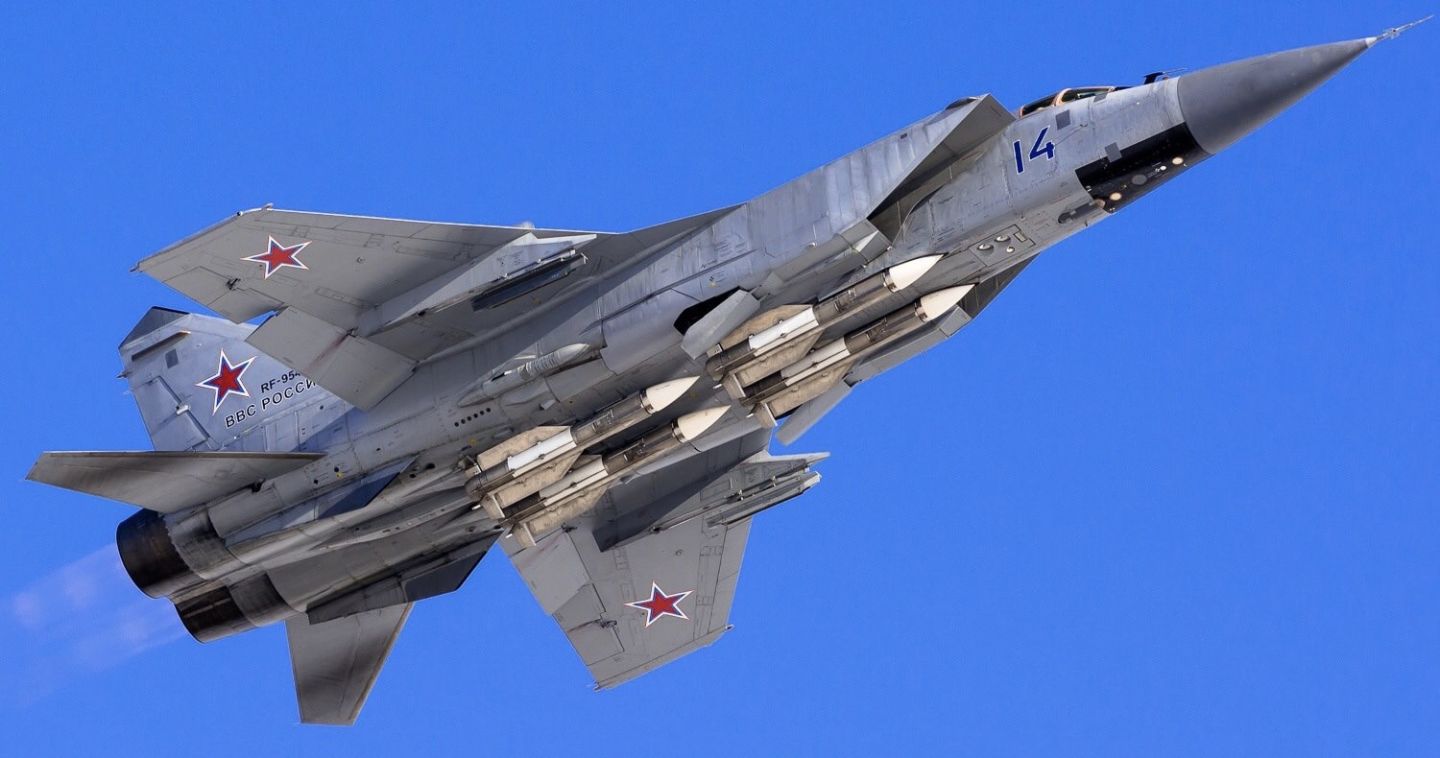
In November 2018 Russia’s Northern fleet tested its Bastion anti ship cruise missile system successfully - a platform critical to the military’s maritime anti access area denial capabilities in the region. In early February 2019 the Russian military resumed patrols by MiG-31BM Foxhound long range interceptors over the Arctic - aircraft fielding some of the most sophisticated air to air capabilities in the Russian inventory and capable of engaging hostile targets at ranges of up to 400km using R-37 hypersonic missiles. The MiG-31’s powerful Phazotron Zaslon passive electronically scanned array radars combined with their extreme operational altitudes provide excellent situational awareness - a source of intelligence on potential aerial, ground and naval targets across much of the region. The Foxhounds also retain a much valued capability to intercept enemy cruise missiles. Later in February the deployment of advanced ground based air defence platforms was confirmed - including the Pantsir-SA and TOR-M2DT. Both are specialised variants of platforms developed for Russia’s ground forces for deployment to less extreme climates, with the Pantsir-SA mounted on a DT-30 twin off-road vehicle where the standard variant, Pantsir-S, uses wheels. The Arctic variant replaces twin autocannons with an additional six surface to air missiles - providing it with an arsenal of 18 in total.
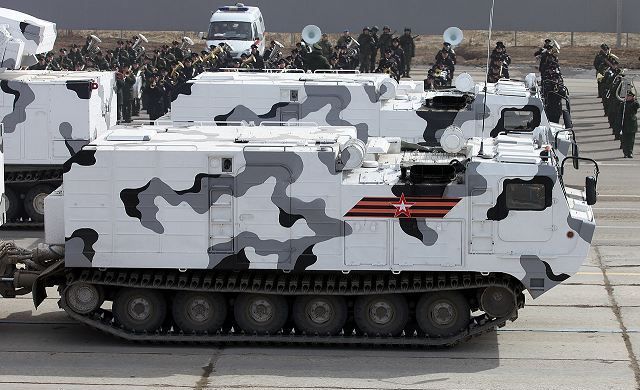
The Tor-M2DT is a specialised variant of the Tor-M2, and makes use of a tracked launch vehicle for better all-weather capabilities. The missile system is capable of deploying 9M331 and 9M332 surface to air missiles through a vertical cold launch system, and these make use of a nose mounted thrust vectoring jets for a high degree of manoeuvrability. The original Tor system, 9K330, was first developed in the Soviet Union in the 1980s in response to growing deployments of cruise missiles by the United States military, and while it is capable of engaging enemy aircraft it is specialised in an anti cruise missile role. Like the Pantsir-SA, the Arctic variant of the Tor is capable of operating at temperatures as low as minus 50 degrees Celsius. Both systems are highly mobile, and are capable of moving alongside ground forces in the field to provide air cover. The kinds of weapons Russia will deploy to the Arctic theatre in future remain uncertain, but should the Western Bloc continue its military escalation in the region a growth in Russia’s air defence network and deployment of offensive assets - possibly MiG-31K jets with Kh-47M2 hypersonic ballistic missiles to complement the MiG-31BM interceptors already stationed nearby, will be a significant possibility.
