
Ten Deadly New Chinese Combat Jets Which Will Fly Before 2030: Dark Sword Unmanned Fighters, H-20 Stealth Bombers and More
Military Watch Magazine Editorial Staff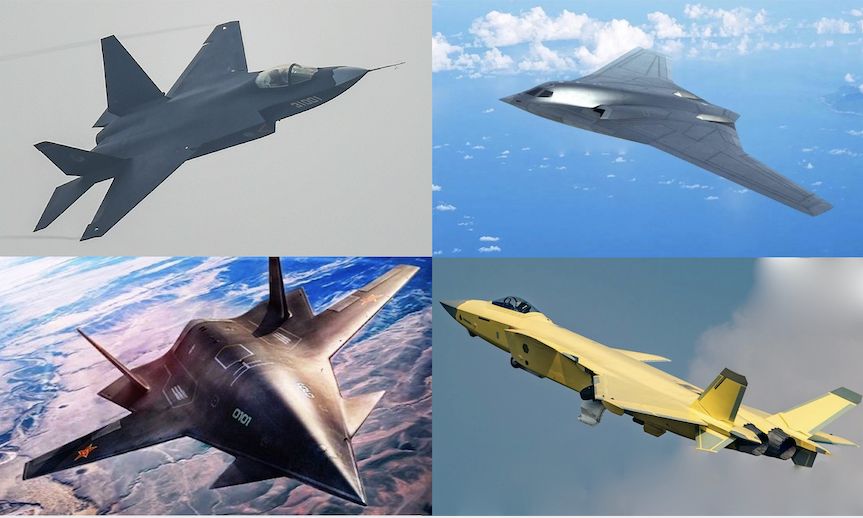
(clockwise from top left) J-31, H-20 (artwork), J-20 and Dark Sword (artwork)
China’s People’s Liberation Army (PLA) continues to modernise rapidly across the spectrum, from the rapid expansion of its destroyer fleet to revolutionising of the country’s ballistic missile forces - today the most diverse the world with a wide range of air, ground and submarine launched strategic and tactical platforms. The People’s Liberation Army Air Force continues to modernise rapidly, and is increasingly shifting away from purchasing advanced Russian aircraft such as the Su-30MKK to developing high end platforms domestically. Chinese military aviation has reached parity with Russia and the United States many key fields, and in many such as drone and sensor technologies it appears to lead the way. Increasingly sophisticated designs have appeared across the last decade, from drones such as the hypersonic WZ-8 and stealthy Gongji-11to the world’s first fifth generation fighter developed outside the United States - the Chengdu J-20.
Advancing at its current rate, and continuing to benefit from technology transfers from Russia’s own defence sector in fields where Russia still maintains a lead, Chinese military aviation is likely to increasingly lead the field in the 2020s - with many of its next generation designs appearing unparalleled globally in their ambitions. Below is a look at ten new Chinese combat jets expected to see their first flights before the year 2030, some as enhanced variants of existing designs with next generation technologies and others as entirely new aircraft:
J-20B
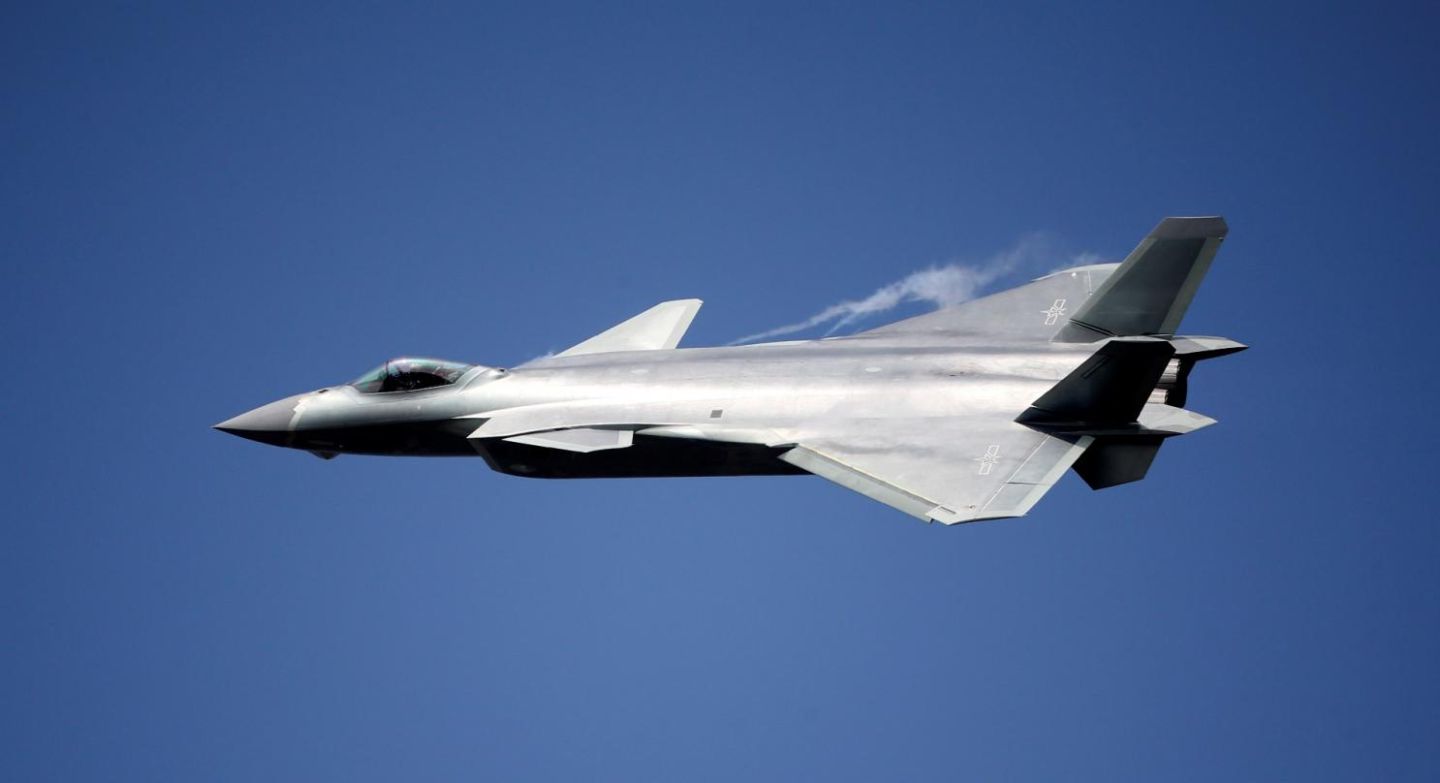
China’s defence sector has continued to integrate new technologies onto the Chengdu J-20 fifth generation air superiority fighter since its induction into frontline service in 2017, from new distributed aperture systems for vastly improved situational awareness to indigenous WS-10 engines to replace the Russian sourced AL-31FM1 turbofans. Among the most anticipated upgrades to the design include WS-15 engines, which reportedly outperform their American counterparts such as the F135, and the PL-XX hypersonic air to air missile. The latter will provide the fighter with a superior flight performance including higher manoeuvrability, climb rates and endurance. Future variants of the J-20 are likely to be fielded under a new designation, possibly as the J-20B if taking the J-10 and J-11 as precedents, and will be built around the WS-15 engine and incorporate updated sensors, avionics and electronic warfare systems, new armaments and stealth coatings and possibly use new composite materials for a lighter and more durable airframe. Much like the American F-35, which also continues to be enhanced, the J-20 is likely to achieve a performance well above the current standard for the fifth generation - and be considered a ‘5+ generation’ or even a sixth generation fighter.
H-20
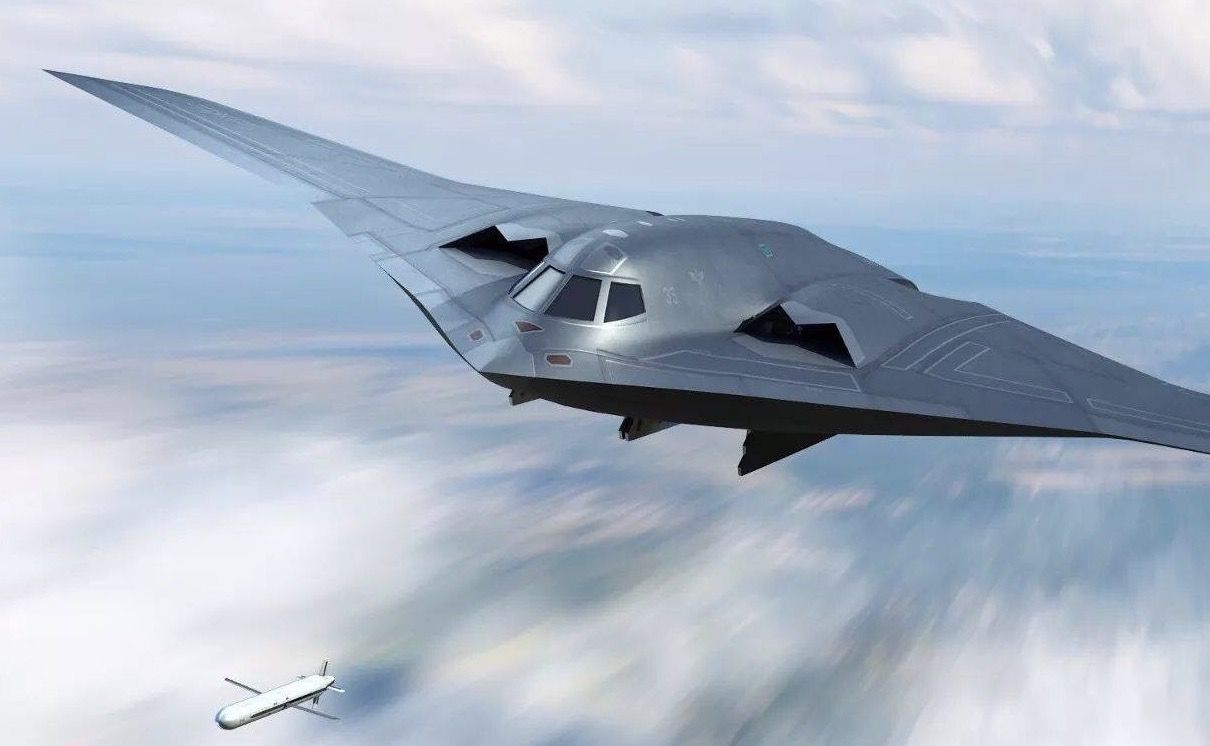
China’s first intercontinental range heavy bomber, the H-20 will provide the PLA with an analogue to the U.S. Air Force’s upcoming B-21 Raider, and will integrate advanced next generation stealth capabilities, hypersonic standoff munitions and a formidable sensors suite built around AESA radars. Placing the U.S. mainland within its reach, deployment of thermonuclear gravity bombs is also possibility. The H-20 may also be capable of carrying out surveillance missions capitalising on the benefits of its stealth capabilities and sensors, and is likely to also be capable of performing in a tactical role carrying conventionally armed standoff cruise and anti ship missiles. Successors to many of the advanced munitions currently being integrated onto advanced variants of the H-6 bomber are likely to be deployed by the H-20 in future.
Chinese Vertical Landing Fighter
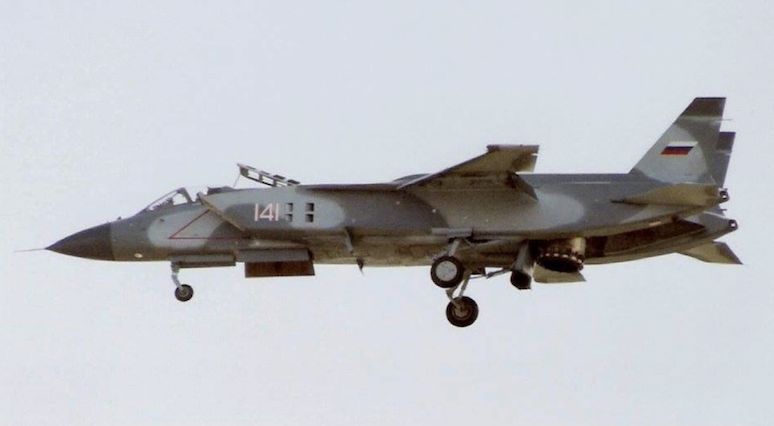
China’s defence sector has long been rumoured to be developing a vertical landing capable fighter, with some unverified repots indicating the jet will be designed for both vertical takeoff and landing as the Soviet Yak-141 fighter was. The People’s Liberation Army is set to field thee Type 075 Class assault ships by 2025 - 35,000-40,000 ton platforms of comparable size to the French Charles De Gaulle Class and the American Wasp Class carriers. If fielding vertical landing capable fighters, these ships have the potential to operate as formidable aircraft carriers in much the same way as their American counterparts currently do with the Harrier II and F-35B. This would provide the PLA with a fleet of seven carriers by 2025. While extremely complex, China will likely be able to acquire technologies needed to develop a vertical landing capable jet from neighbouring Russia - which previously developed the Yak-141 fighter to an advanced prototype stage with such capabilities for deployment from its own specialised Kiev Class carriers. Russia is confirmed to be working on a vertical landing capable fighter of its own, and with both countries moving to strengthen defence ties the possibility of a joint program remains high. The aircraft will be highly useful for deployment to ares such as the Spratly atolls, where runways are set to be prime targets which could deny such aircraft the ability to operate. Such jets are expected to benefit from radar evading stealth profiles, powerful AESA radars and next generation munitions such as the PL-15 and PL-XX, providing comparable and possibly superior capabilities to the American F-35B.
Project AZM
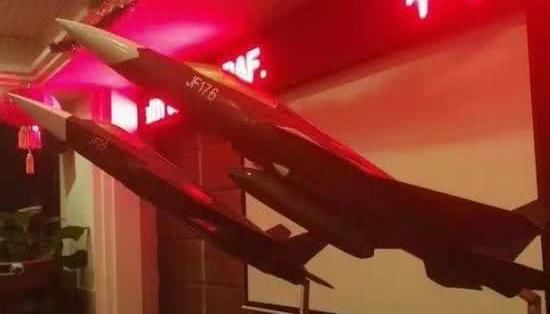
A successor to the JF-17 program to provide an affordable lightweight modern fighter, Project AZM is likely to undercut the operational and acquisition costs of all other fifth generation fighters and be marketed primarily to third world clients. The fighter is the only single engine stealth fighter currently under development other than the American F-35, and is currently being jointly developed by China and Pakistan to replace the JF-17 Thunder in production. The aircraft will integrate advanced AESA radars, more sophisticated and likely much heavier than those recently integrated onto the ‘4+ generation’ JF-17 Block 3, and will be compatible with next generation munitions including the PL-15 and possibly the PL-XX. While it is being designed primarily for export, the Chinese People’s Liberation Army Air Force may acquire the jet in limited numbers to replace the advanced J-7 variants currently in service - with its unique combination of next generation technologies and low maintenance and operational costs making it highly valued.
J-11D
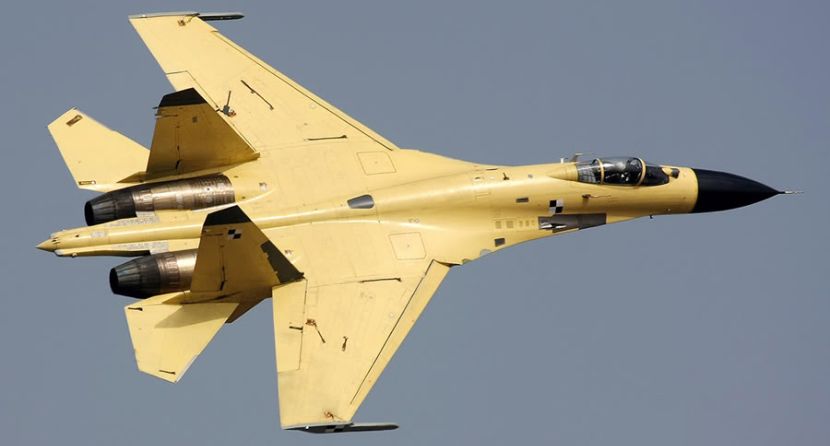
China’s answer to the Russian Su-35 and American F-15X, the J-11D is currently in a late prototype stage and is quite possibly the most ambitious fourth generation fighter ever developed. The fighter boasts a similarly high use of composites, payload and three dimensional thrust vectoring engines to the Russian Su-35, but talso benefits from access to Chinese munitions such as the PL-15 for an air to air role as well as an active electronically scanned array radar which the Su-35 lacks. Such radars are not only more powerful, but are more resilient to jamming and give out a reduced radar signature. The fighter is expected to integrate more powerful engines, more modern avionics and cockpit displays and make greater use of modern composite materials, than its older Russian counterpart.
J-15B
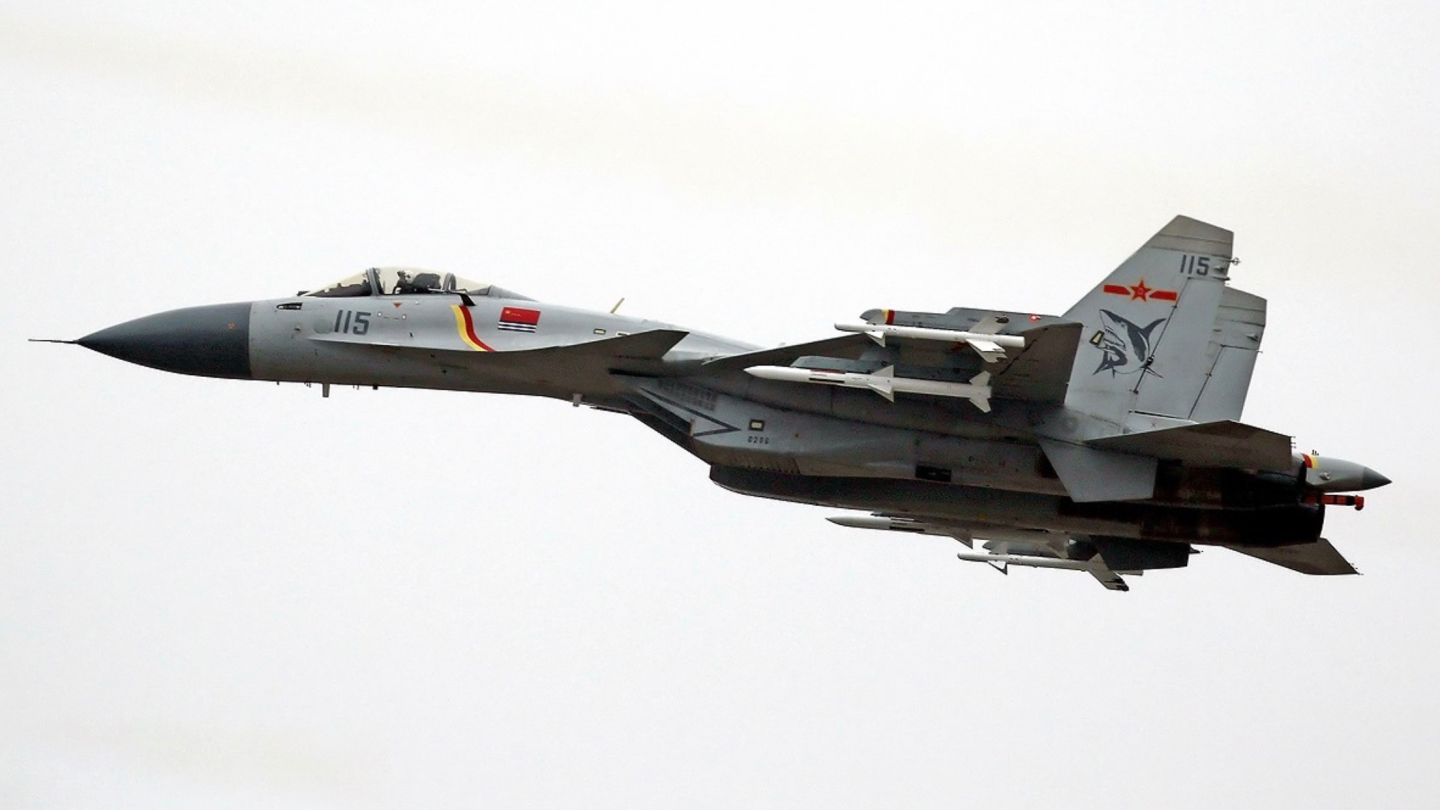
China’s PLA Navy inducted its first ever carried based fighter, the J-15 Flying Shark, into frontline service in 2012 onboard the carrier Liaoning - a naval adaptation of the Air Force’s J-11B. Chinese military aviation has since progressed considerably however, and this older fighter is set to be replaced by a more capable carrier based platform with ‘4++ generation’ capabilities. Dubbed ‘J-15B’, this aircraft will reportedly be make greater use of composite materials for a lighter but stronger airframe. The fighter will in many ways be comparable to the J-11D, with an advanced AESA radar and new electronic warfare systems, and have more powerful and efficient engines. A more efficient airframe will allow the aircraft to deploy for longer periods and with greater weapons loads, while some sub variants of the the aircraft will also be optimised to deploy using an electromagnetic catapult rather than a ski jump launch system. Such launch systems will be integrated onto the PLA’s upcoming Type 002 Class supercarriers, and facilitate a heavier takeoff weight meaning more fuel and munitions per fighter.
JH-20 (?)
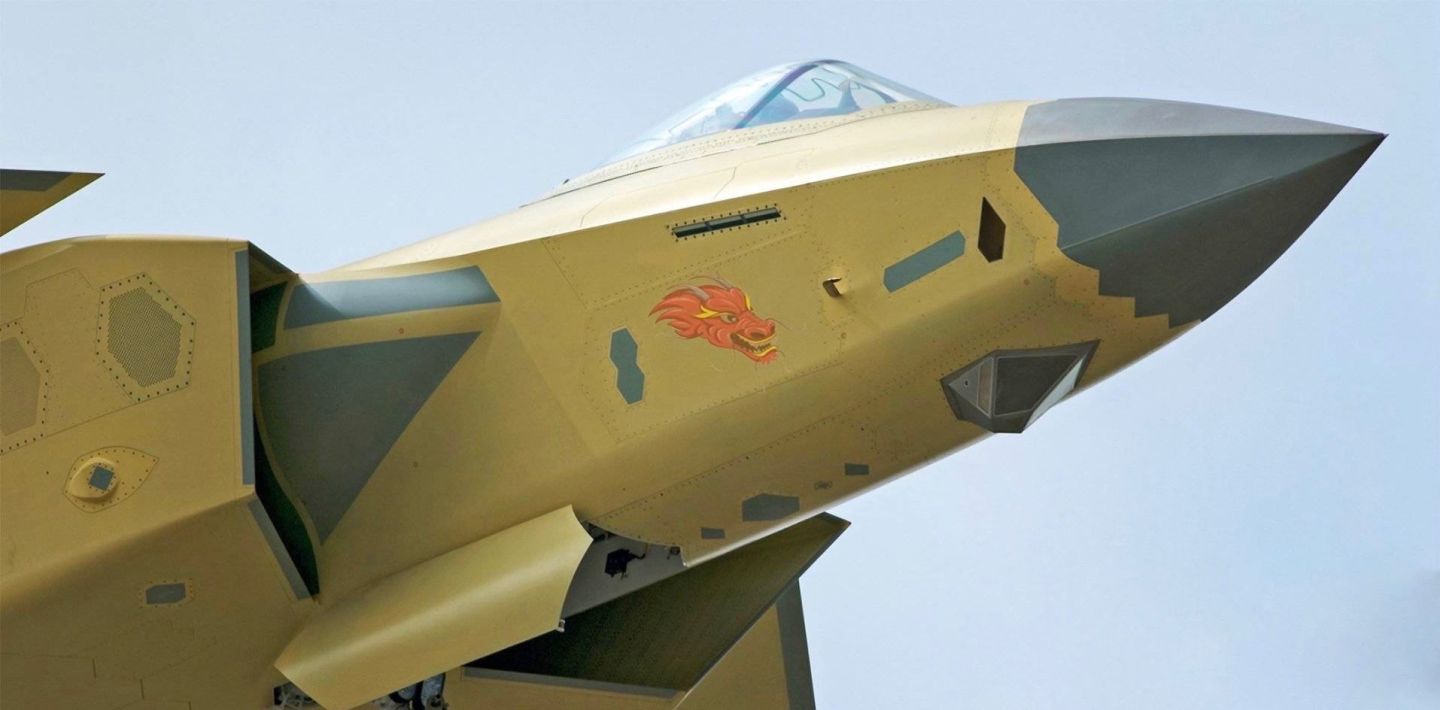
A strike fighter designed to supersede the capabilities of the ageing JH-7, the aircraft will reportedly be based on the airframe of the J-20 heavyweight air superiority fighter. The program is expected to resemble the American F-15E Strike Eagle - developed based on the F-15C air superiority fighter, and the FB-22 - a program cancelled due to budgetary constraints which was based on the F-22 Raptor. The fighter is expected to be heavier than the original J-20, carry more fuel and a sensor suite better adapted to striking ground and naval targets, and have a second seat to accommodate a weapons systems officer. The fighter is expected to retain an air to air capability and will likely continue to deploy PL-15 missiles, but its primary armament will be guided gravity bombs and cruise missiles. Internal weapons bays are likely to be bigger to accommodate a larger payload and higher diameter munitions. A twin seat variant of the standard J-20 may also be under development - an analogue to the American F-22B which was cancelled due to budgetary issues - following the longstanding trend in Chinese military aviation to develop twin seat variants of all major fighter designs.
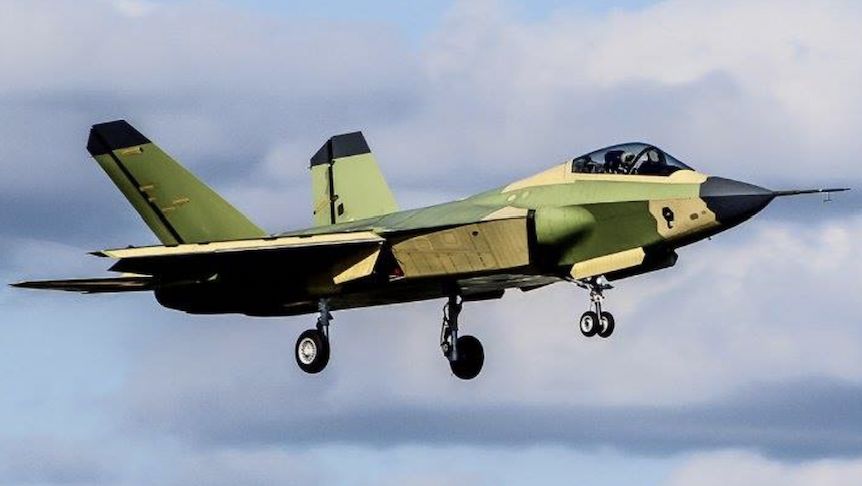
J-31
New engines and subsystems continue to be developed for the FC-31 stealth fighter, a prototype medium weight platform which is expected to be declared combat ready before 2025. The aircraft is the only medium weight stealth fighter known to have been developed - heavier than the American F-35A but lighter than the F-22 and J-20. It remains uncertain whether this aircraft will be inducted into PLA service as a lighter complement to the J-20, whether a carried based variant will be developed as a lighter complement to the J-15B, or whether it will be marketed exclusively for export as a competitor to the F-35. On export markets, the J-31 will represent a heavier and more capable alternative to the Project AZM fighter.
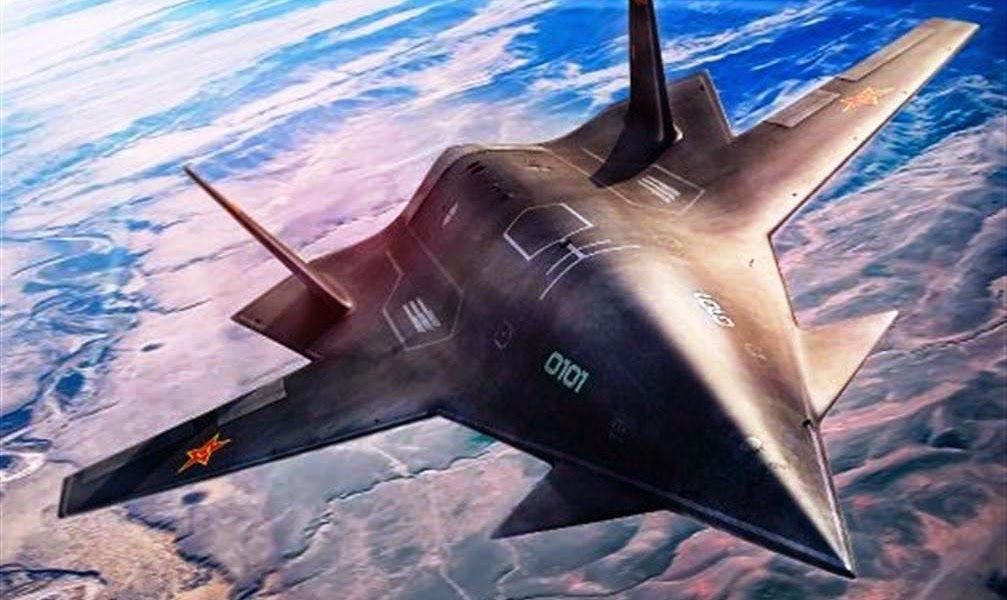
Dark Sword
Unveiled in June 2018, the Dark Sword is speculated to be design as a sixth generation unmanned fighter using artificial intelligence. The drone stands out from others in PLA service due to its considerable size and unique orientation towards air to air combat. Little is known about the program, but it comes as part of a growing trend towards the development of unmanned aircraft for air to air combat - where they were previously relied on primarily for air to ground operations. With the fighter currently at a very early prototype stage, it is likely to see its first flight by the mid-late 2020s.
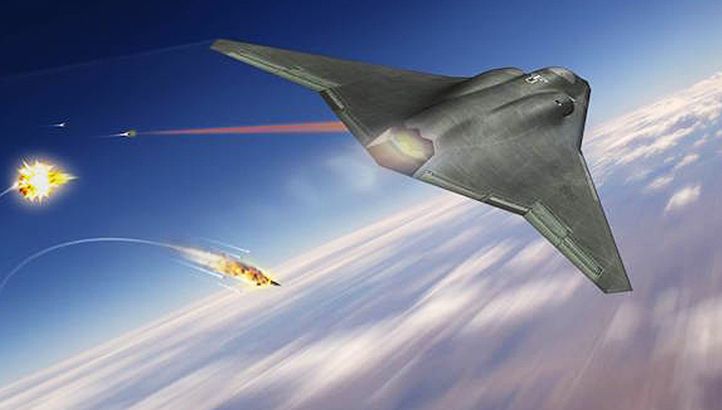
Chinese Sixth Generation Fighter
In parallel to Russian and American programs such as the MiG-41 and Air Dominance Fighter, China is though to be working on developing a sixth generation air superiority fighter to counter next generation adversaries. No information has been released on the nature of this platform, an eventual successor to the J-20, but the aircraft is likely to make its first flight by the end of the decade. Development of a next generation interceptor is also likely - possibly a hypersonic platform capable of space flight like the Russian MiG-41. Among the technologies set to be integrated onto next generation Chinese fighters are hypersonic air to air missiles, artificial intelligence and a new generation of engines surpassing the performance of the J-20’s WS-15.
