Russian Analysts Compare New Su-57 Fighter’s Importance to Other Frontline Aircraft in the Ukraine War
Military Watch Magazine Editorial Staff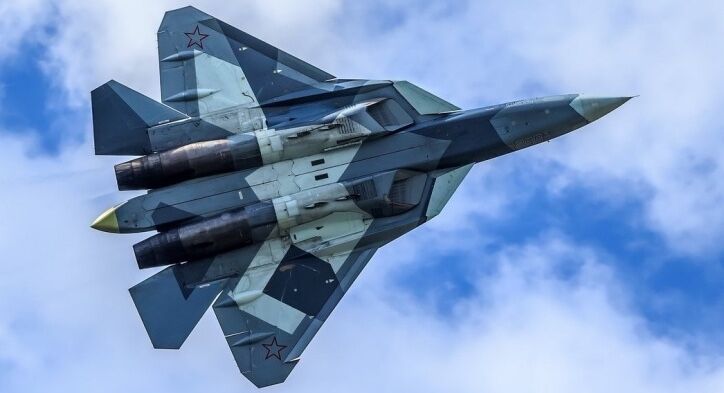
Su-57 Fighter
One of Russia’s most widely followed defence analysts, using the Telegram handle Fighterbomber, has provided a comparison of the significance of the Su-57 fifth generation fighter’s operations in the Russian Aerospace Forces with other types of military aircraft. The assessment was made in response to the CEO of the United Aircraft Corporation Vadim Badekha’s statement that the Su-57 “is our main aircraft in the line of operational-tactical aviation,” he said, calling it “the most tested fifth generation fighter in real combat conditions” and “the best aircraft in its class.” Although the Su-57 is considerably more advanced than other Russian fighter types, the limited numbers in which it is fielded due to major delays to the program have fuelled criticisms of claims that it is a “main aircraft,” with only approximately 60 of the fighters estimated to be in service.
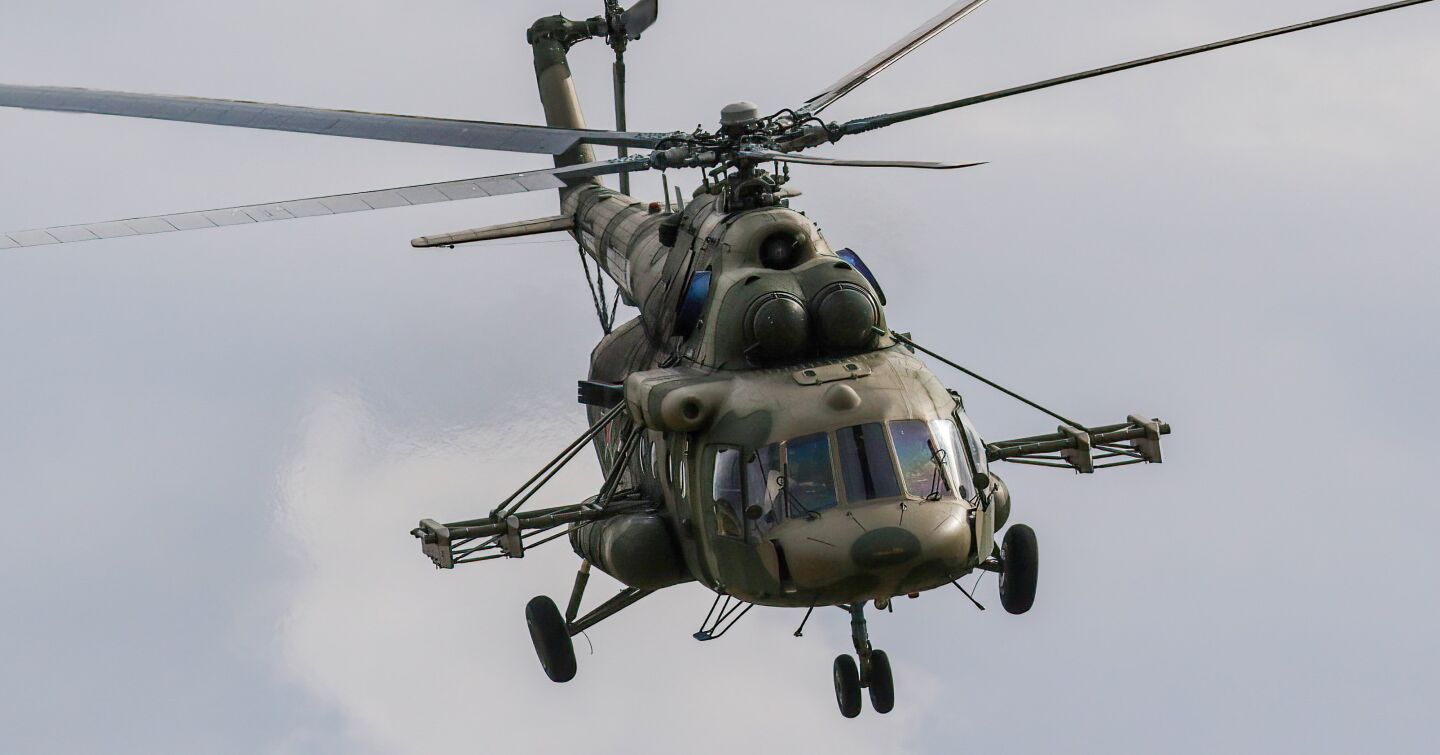
Fighterbomber posited that if the Su-57 disappeared from the campaign in Ukraine tomorrow, “nobody will notice.” Contrasting to the high tech fighter, the analyst stated that the important aircraft in the war was a Soviet-era transport. “The main aircraft, in my opinion, is the aircraft without which everyone in the SVO [Special Military Operation] would be very badly off. That is, I’m talking about the Mi-8.” The Mi-8 continues to function as the workhorse of Russian logistics, while modified variants serve as low level helicopter gunships and electronic warfare platforms. The value attributed to the Mi-8 reflects the different scale of the Russian-Ukrainian War, where hostilities are centred around protracted ground campaigns and trench warfare, rather than rapid offensives spearheaded by superior air power.
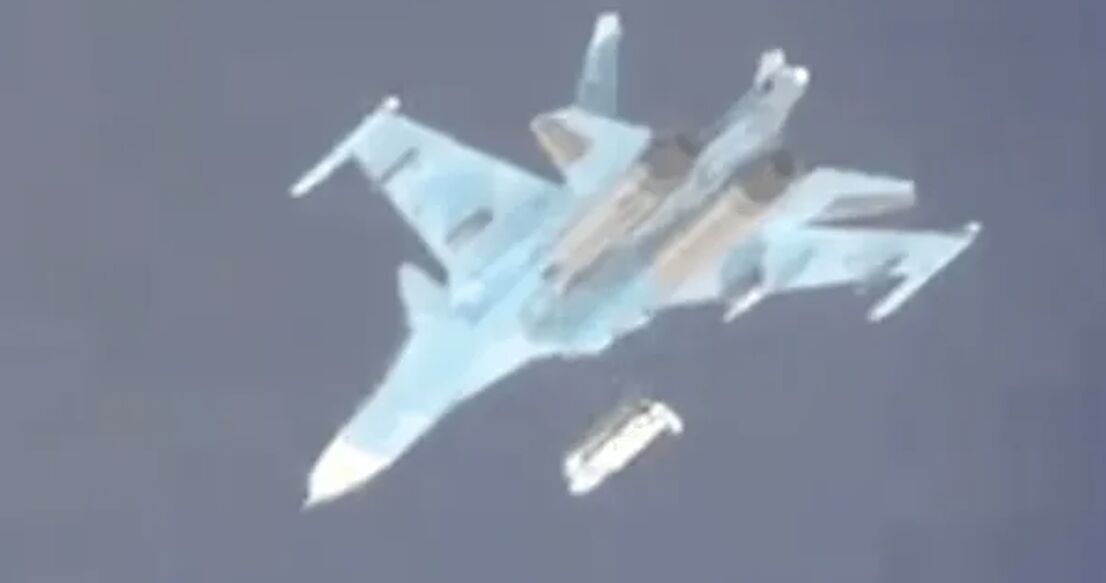
Comparing the Su-57 to other Russian fighter types, Fighterbomber noted that losing the Su-35 fighter would be sad, while losing the Su-34 strike fighter would be a disaster, with both ‘4+ generation’ fighters playing significantly greater roles in the conflict. The limited importance attributed to the Su-35 relative to the Su-34 again reflects the fact that the campaign primarily revolves around developments on the ground, with the importance of combatting hostile fighters being more limited. The Su-34 is not only available in greater numbers than the Su-57, but is also larger and can carry more ordinance, while being better optimised to using low cost glide bombs in large numbers. The more limited importance of the Su-35 and Su-57 reflects the severe limitations of Ukrainian air power, with Ukrainian Air Force officers having repeatedly stated that the presence of advanced Russian fighters, particularly the Su-35, forces Ukrainian fighters such as the F-16 to operate far from the frontlines and at low altitudes.
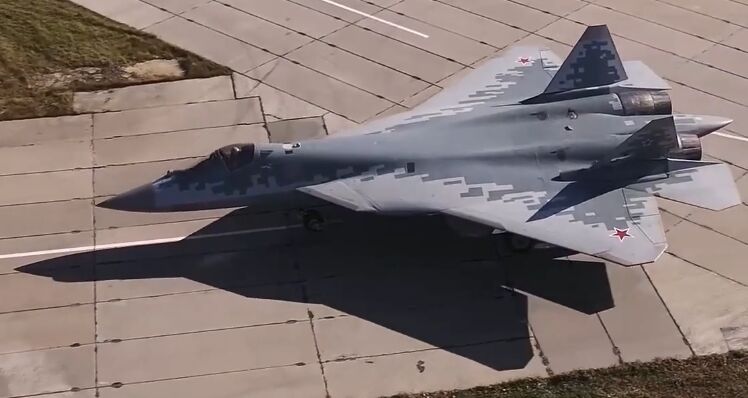
Fighterbomber’s assessment, while emphasising the Su-57’s limited importance in the Ukrainian war effort, overlook a number of significant aspects of the program that align with Vadim Badekha’s statement. The Su-57 remains Russia’s main aircraft in terms of the development of future technologies and capabilities, with a number of technologies and subsystems developed for it having been integrated onto more widely fielded other fighter types. The R-77M air-to-air missile specifically designed for the fighter is a notable example. The Su-57’s far greater modernisation potential is expected to allow the program to benefit much more significantly from operational testing in the Ukrainian theatre. With the high value fighter optimised for a different kind of conflict, namely a peer-level war with NATO rather than a prolonged attritional war, it is expected to play a much more central role in preserving Russia’s security than its relatively limited operations in the Ukrainian theatre would otherwise indicate.