
U.S. BBG(X) Nuclear Battleship Program Places Carrier, Destroyer and Submarine Funding at Risk
Military Watch Magazine Editorial Staff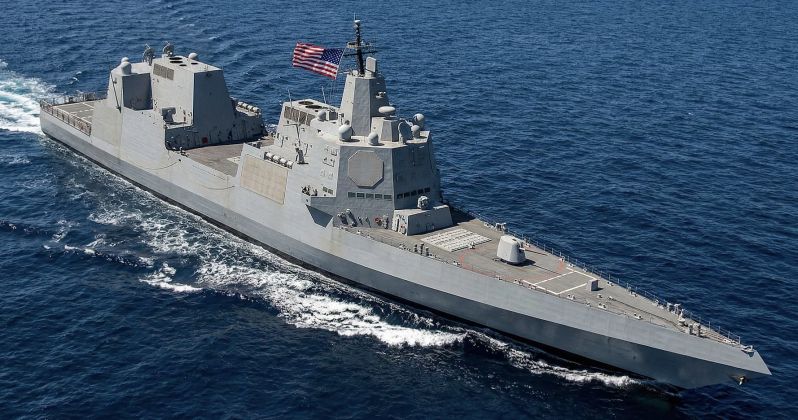
DDG (X) Next Generation Destroyer Artwork
The U.S. Navy’s plan to procure 15 nuclear powered surface combat ships under the BBG(X) program has sparked growing concerns regarding the future direction of the service’s acquisitions, with analysts warning that the ambitious program could place further strain on already overstretched shipbuilding resources needed for aircraft carriers, destroyers, and submarines. These concerns have intensified following reports that Congress is seeking assurances that the new capital ships will not delay existing naval modernisation priorities, particularly production of Virginia class and Columbia class submarines. The BBG(X) is already seen as a direct competitor to the DDG(X) next generation destroyer program, which is urgently needed to replace Arleigh Burke class destroyers - a late Cold War era design which has largely exhausted its growth potential.
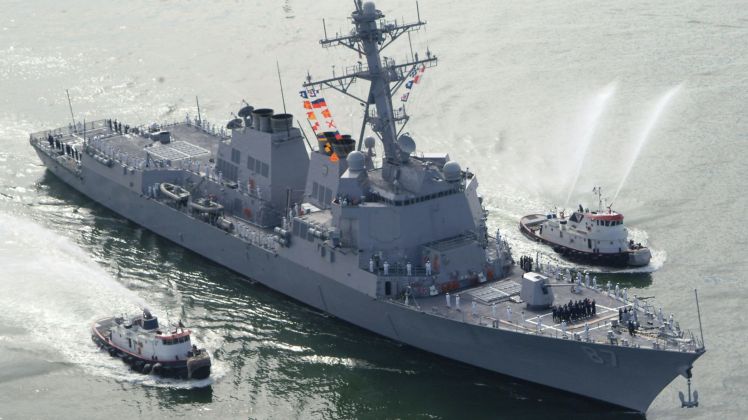
The U.S. Navy in May formally launched the BBG(X) program, which is projected to cost up to $700 billion, and to produce 15 ships, with each ship costing $46.6 billion over its lifetime. Each ship will displace 35,000 to 41,000 tons, making them by far the largest surface combat ships operating anywhere in the world. To place this size in perspective, Arleigh Burke Flight III class destroyers displace 9,700 tons each. Nuclear powered surface warships are significantly more costly both to produce and to sustain, and require periodic reactor servicing, depot maintenance, more complex crew support and combat system sustainment, and significant modernisation of dry docks and shipyards.
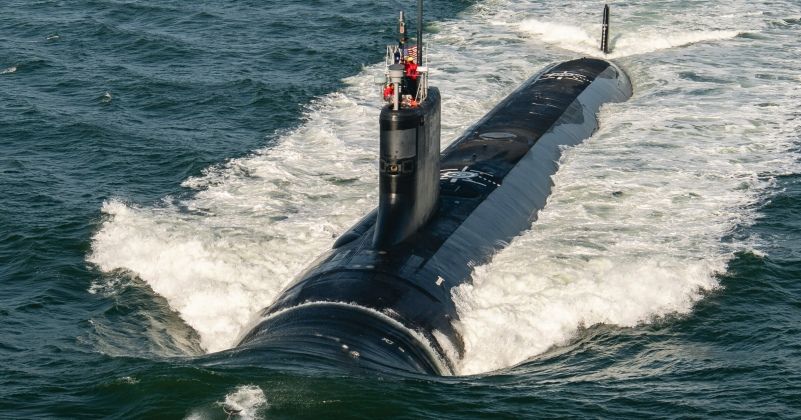
The U.S. Navy currently considers increasing production to one Columbia class ballistic missile submarine and two Virginia class attack submarines annually to be its highest industrial priority. Despite billions of dollars in investment, however, the country’s submarine industrial base has consistently fallen short of these targets due to labour shortages, supplier bottlenecks and insufficient shipyard capacity. The Navy’s latest long-term shipbuilding plan continues to describe submarine production as its foremost industrial challenge. Congressional concern has focused on whether introducing another highly demanding nuclear-powered shipbuilding program could further delay submarine construction. Recent committee inquiries have reportedly requested detailed explanations from the Navy regarding how the battleship program would avoid disrupting production schedules for Virginia class submarines and other critical naval assets.
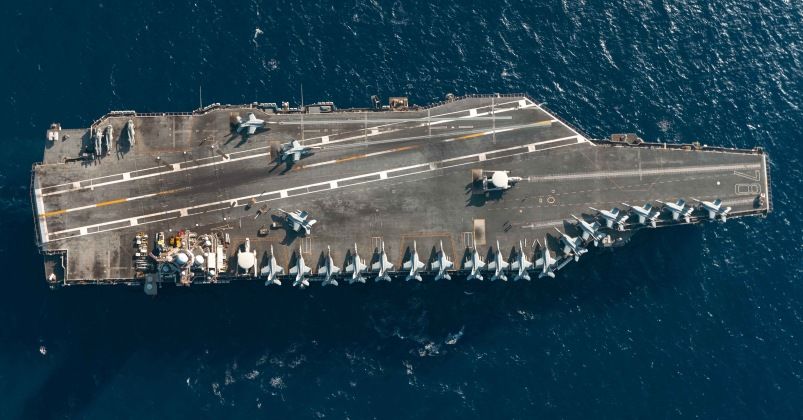
The BBG(X) program has also raised questions regarding the future balance between surface combatants and aircraft carriers in the Navy. While aircraft carrier has served as the principal instrument of U.S. naval power projection since the Second World War, advocates of the BBG(X) have argued that modern hypersonic missiles, long-range precision weapons and advanced sensors have made very large missile ships increasingly attractive complements to carrier strike groups. Critics, however, contend that carriers remain indispensable because they provide persistent airborne surveillance, air superiority and strike capabilities that cannot be replicated by missile-armed surface ships. With the Gerald Ford class aircraft carrier program having already suffered from serious issues and tremendous delays and cost overruns, it has been speculated that should the BBG(X) program prove successful, there could be significant calls made to prioritise funding for the battleships over the new carriers. Even before the BBG(X) program was announced, significant calls were made over several years to make deep cuts to the Gerald Ford class carrier program.
