
U.S. Senate Sustains Vital DDG(X) Next Generation Destroyer Program to Counter Growing Chinese Surface Dominance
Military Watch Magazine Editorial Staff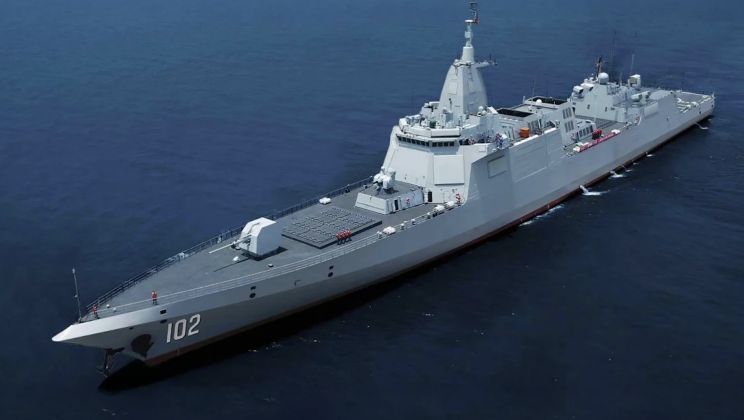
Chinese PLA Navy Type 055 Class Destroyer
The U.S. Senate Armed Services Committee has directed the Navy to continue developing the DDG(X) next generation destroyer program, with an explanatory report from the Committee's draft National Defense Policy Act for Fiscal Year 2027 stating that the ships will need to become operational in the 2030s as older variants of the Arleigh Burke class destroyer begin to be phased out of service. Contrasting the DDG(X) with the new BBG(X) program intended to provide the Navy with nuclear powered battleships that are several times as large, the paper observed: “The initial unit price of the BBG(X) is estimated to be between $12 billion and $13 billion. At this price, the Navy cannot afford to replace its aging DDG-51 [Arleigh Burke class] destroyers with BBG(X) destroyers on a one-to-one basis." Destroyers developed under the DDG(X) program are expected to cost under $3 billion.
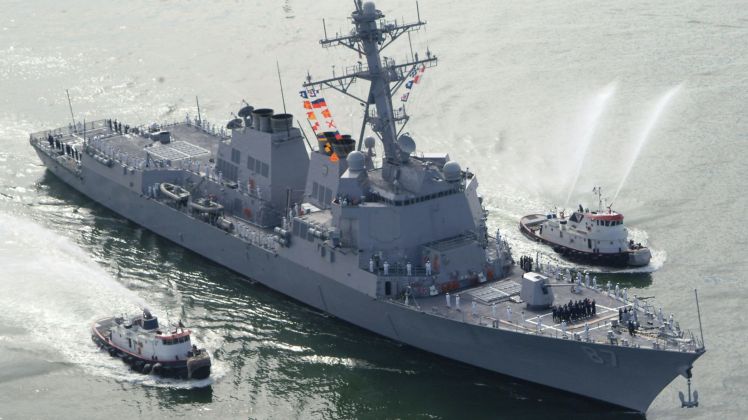
While the BBG(X) program was considered an alternative to a next generation destroyer program, efforts to sustain work on and funding for the DDG(X) program appears to be motivated by concerns that the battleship program could fail or face major delays, as it represents a radical and controversial departure from prevailing trends in military shipbuilding. Furthermore senators have argued that without the DDG(X) program, the extreme costs per ship and limited planned production numbers of the BBG(X) program will ensure that the surface fleet contracts significantly in numbers, which remains an issue regardless of whether the BBG(X) is successful or not. The battleship concept emphasises concentrating large amounts of firepower into a relatively small number of very expensive ships, which many lawmakers and naval analysts have raised concerns that would reduce the number of deployable combatants available worldwide. The DDG(X) program, by contrast, is intended to provide a next-generation workhorse destroyer capable of being procured in significantly larger numbers. Congress has long emphasised maintaining sufficient numbers of large surface combatants, with the DDG(X) aligning with this requirement.
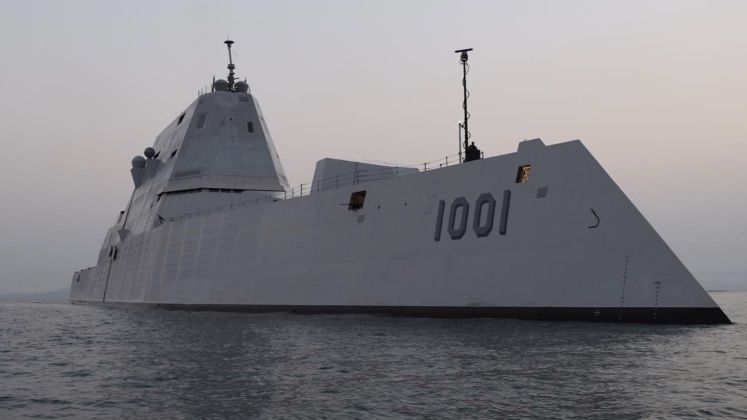
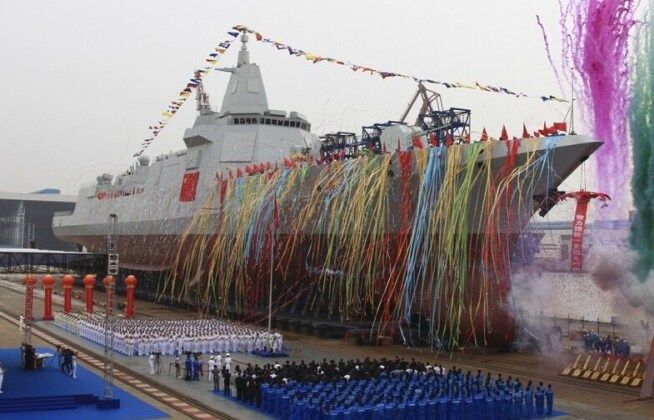
The perceived urgency of developing a next generation destroyer has grown very considerably since the early 2020s due primarily to the successes of the Chinese Type 052D and Type 055 class destroyer programs, the latter which is widely assessed to have produced the most capable surface combat ships in the world. By contrast, with the exception of three highly problematic Zumwalt class destroyers, the U.S. has not brought a clean sheet destroyer class into service since the end of the Cold War, with the ageing Arleigh Burke class now very near the end of its modernisation potential. The Chinese Type 055 has become the benchmark against which many future U.S. surface combatants are judged, with its capabilities having reinforced arguments for a new U.S. destroyer with greater growth margins, power generation, and missile capacity than the Arleigh Burke Flight III currently in production.
Unless there is an unexpected further surge in U.S. defence spending, it appears highly unlikely that both the DDG(X) and BBG(X) programs will be funded, as the service including the Navy continue to struggle with serious funding shortages for major programs such as the urgently needed F/A-XX carrier based fighter. Continuing funding for the DDG(X) may thus primarily be a hedge against the failure of the BBG(X) program. The U.S. defence sector has a record of serious delays and cost overruns to all major clean sheet weapons programs pursued since the end of the Cold War, which may make the BBG(X) unviable and the DDG(X) far from cost effective. A constrained military shipbuilding capacity, with destroyer output surpassed several times over by China, and more narrowly by North Korea, has also raised questions regarding how quickly ships developed under either the BBG(X) or DDG(X) programs can be built and brought into service even if development is completed.
