
U.S. Navy Spending Up to $700 Billion on BBG(X) Nuclear Battleship Program
Military Watch Magazine Editorial Staff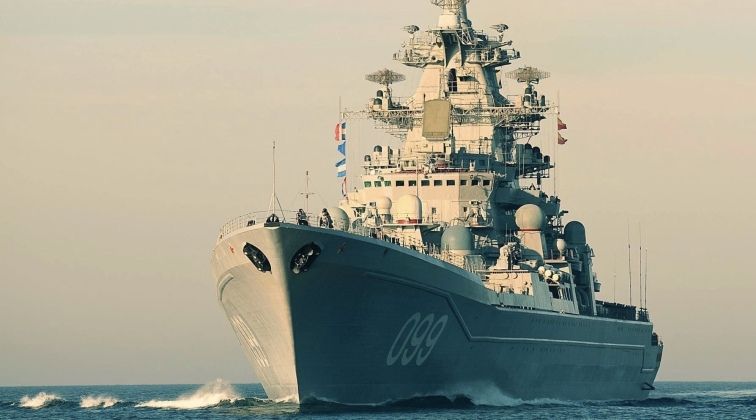
Russian Kirov Class Nuclear Powered Cruiser
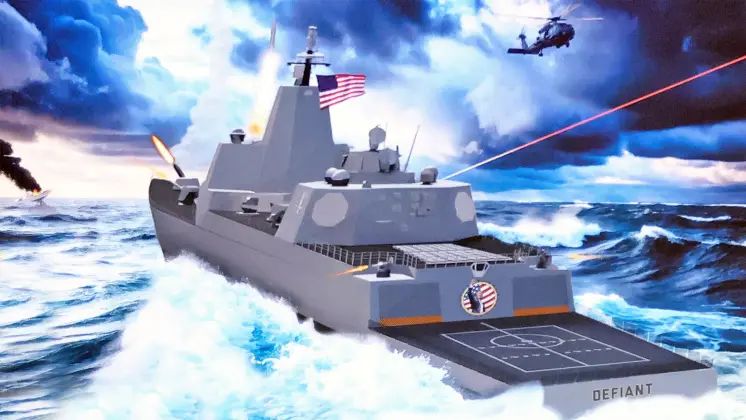
The U.S. Navy has formally launched the BBG(X) battleship program as part of its Fiscal Year 2027 shipbuilding plan, while confirming that the vessels will be nuclear powered and thus likely very significantly more costly than previously projected. The program is reported to be replacing the long-running DDG(X) next generation destroyer program, although sources have widely speculated that a new destroyer will likely also be developed in parallel. Investment in the BBG(X), and the likely abandonment of the DDG(X), represents a major doctrinal shift toward heavily a much smaller but more heavily armed and longer ranged fleet of ships optimised for operations in the Pacific. Nuclear powered surface warships are significantly more costly both to produce and to sustain, and require periodic reactor servicing, depot maintenance, more complex crew support and combat system sustainment, and significant modernisation of dry docks and shipyards.
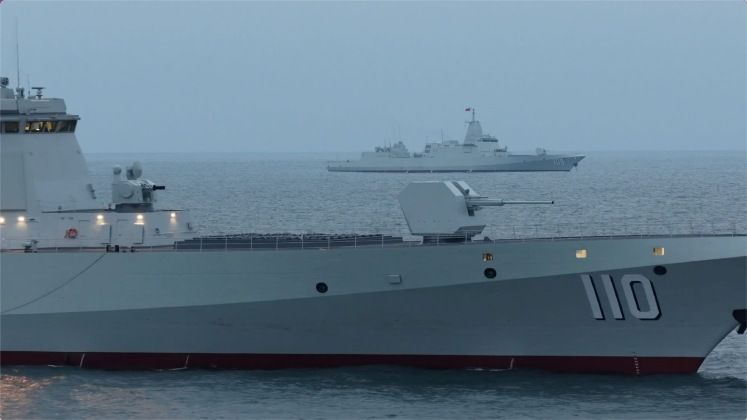
The BBG(X) program is projected to cost up to $700 billion, and to produce 15 ships, with each ship costing $46.6 billion over its lifetime. Each ship will displace 35,000 to 41,000 tons, making them by far the largest surface combat ships operating anywhere in the world. To place this size in perspective, the largest surface combat ship in the world the Russian Navy’s Soviet-built Kirov class cruisers displace 28,000 tons, while the largest post-Cold War surface combat ships are the U.S. Navy’s 16,000 ton Zumwalt class stealth destroyers, and the the Chinese PLA Navy’s 13,000 ton Type 055 class destroyers. The Navy has requested $1 billion in advance procurement funding for Fiscal Year 2027, followed by $16.97 billion for Fiscal Year 2028. The first ship is scheduled for contract award in April 2028, with construction to start in August that year.
The BBG(X) program’s viability has been widely questioned, with post-Cold War U.S. weapons programs, including all major surface warship programs, having suffered major delays and cost overruns as a result of the decline of the defence sector and broader industrial base from the early 1990s. U.S. shipyards’ output of destroyers has fallen to just 1.6 ships per year, below China at 7-10 destroyers, and even North Korea at two destroyers, fuelling calls to consider outsourcing production to Japan or South Korea to meet the Navy’s demand. Shipyards have fallen even further behind meeting the Navy’s demand for nuclear submarine production, with output in 2025 confirmed for the first time to have fallen behind that of China. The ability of the U.S. shipbuilding industry to construct fifteen very nuclear powered battleships relatively quickly thus remains in serious question, with prevailing trends over the past three decades indicating that major delays and cost overruns are highly likely.
