
U.S. Chief of Naval Operations Warns Unfunded F/A-XX Sixth Generation Fighter is Vital For Iran Fight
Military Watch Magazine Editorial Staff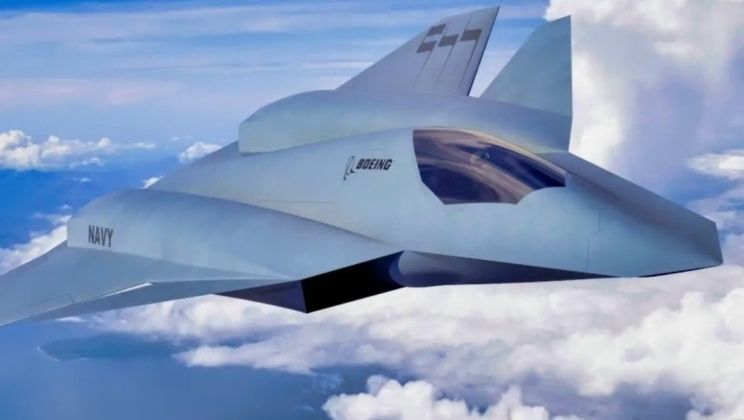
U.S. Navy F/A-XX Sixth Generation Fighter - Artwork
U.S. Chief of Naval Operations Admiral Daryl Caudle has stated that the development of the F/A-XX sixth generation fighter is vital to ensure the Navy’s “ability to fly with impunity,” as its current fleet faces serious challenges not only against the peer level potential adversaries in the Pacific, but also smaller state adversaries such as Iran, and even non-state actors. The “next-generation airframe, F/A-XX, is so vital... This [carrier] air wing of the future design is so important for so many reasons,” he stated, adding: “nothing delivers the mass of an air wing if you want to deliver mass fires.” “I know these things are expensive, and I know the defence industrial base is compressed, but we have got to figure out how to walk and chew gum here with aircraft,” he added.
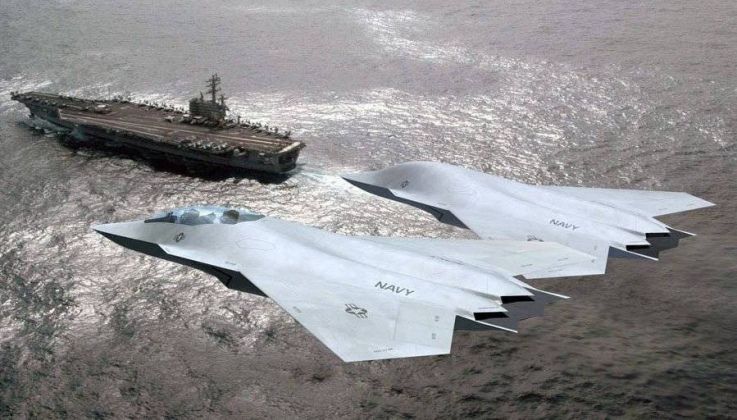
Further elaborating on the constraints imposed on the Navy by a lack of sixth generation fighters, Admiral Caudle warned: “the bigger part is… just the ever-lowering cost of entry” when it comes to air defence threats. “The folks that used to be not in [the] headspace that I needed a stealth aircraft of this level to fly a mission into their country, will gain capability that the F-18 will not match against… This is an ever-evolving theme, and when you’ve got partnerships … well coupled with each other across China and Russia and Iran and North Korea, and terrorist groups that are getting that kit from all of those through back-channel ways, our ability to fly with impunity with our existing airframes is fleeting... So, if I don’t start building that [F/A-XX] immediately, you’re not going to get it for some time,” he added. “I hate to say it, sounds cliche, but you know, when things heat up in Iran, guess who steamed over there? Right? It was the United States Navy and the Abraham [Lincoln Carrier] Strike Group,” he observed, adding: “So you can imagine what that looks like 10 years from now, with a different Iran, with different capability, that can go against F-18 capabilities of today.”
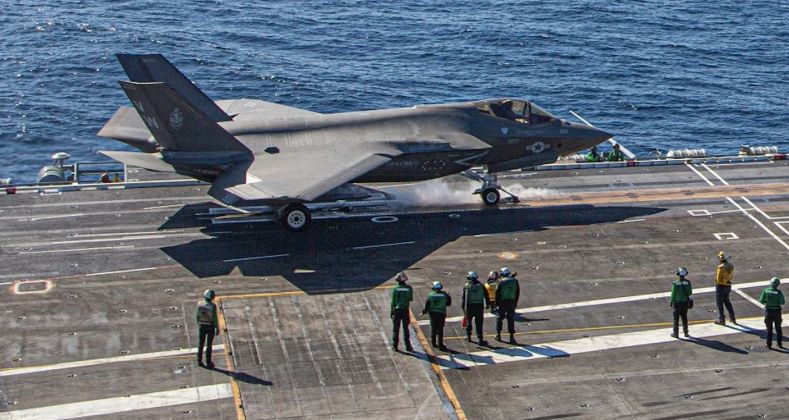
Navy officials have warned on multiple occasions that the development of the F/A-XX remains an urgent priority, particularly for the service’s ability to contribute to operations in the Pacific theatre, where not only do the short ranges of its current F-35C and F-18E/F fighters seriously limit their utility, but China’s new sixth generation fighters expected to enter service around 2030s also leave them at risk of obsolescence. Acting Chief of Naval Operations Admiral James W. Kilby in June 2025 specifically cited Chinese capabilities to warn regarding the need for sixth generation figures: “The sixth-gen fighter has some capabilities that we need to counter” the People’s Liberation Army Navy. “Those are signatures, those are range, those are different engines. Those are all the things that will make it survivable. The Air Force and Navy have different missions, but we’re going against the same threat,” he added.
While the current air wings of U.S. Navy carrier groups have long been considered likely to be obsolete for a high intensity conflict in the Pacific, Admiral Caudle’s assertion that the aircraft could be vital even for engagements with much less capable adversaries such as Iran may draw new attention to the program. Although the Navy previously in 2025 appeared in a better position to finance the F/A-XX than the Air Force was for its own sixth generation fighter, the F-47, the Trump administration in early 2025 selected to prioritise the latter. This was despite the Air Force already fielding a sizeable fifth generation fighter fleet, while the Navy’s investments in fifth generation fighter procurements remained very limited primarily in order to prioritise the F/A-XX.
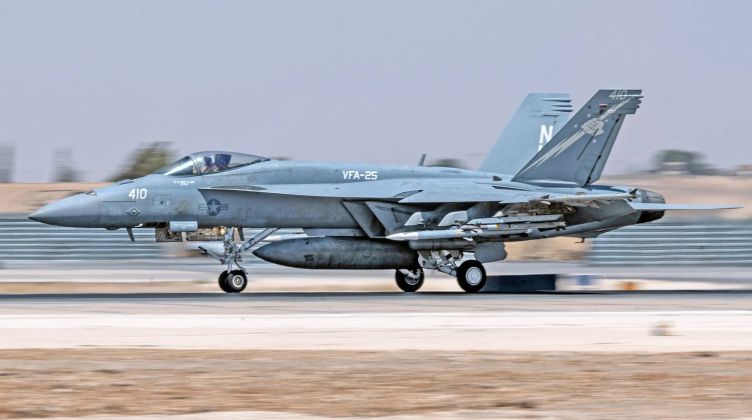
The United States has yet to face an advanced fully functioning advanced air defence network supported by modern fighters in the post-Cold War era, with Iran’s air defences having been largely disabled by attacks by paramilitary groups on the ground, while its fighter fleet has for decades been considered obsolete. The ability of existing carrier air wings to operate in Iranian air space in the early 2030s, as the country rebuilds its air defences and procures its first post-Cold War era fighters from abroad, remains in question. A potential significant factor influencing the consensus in the Navy regarding the inadequacy of the current fleet has been the serious challenges it faced in engaging Ansurullah Coalition forces in Yemen from late 2024, with U.S. reports indicating that local air defences came close to shooting down carrier-based F-35 fighters. Unconfirmed reports indicate that Yemeni non-state paramilitary units succeeded in shooting down multiple F-18 carrier-based fighters, although American reports attributed these losses to accidents.
