
Major New Delays Mean U.S. Navy’s Next Supercarrier USS John F. Kennedy is Taking 16 Years to Build
Military Watch Magazine Editorial Staff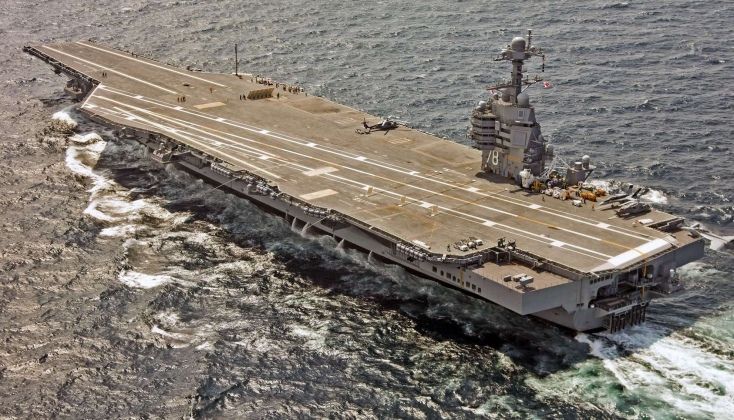
U.S. Navy Aircraft Carrier USS Gerald Ford
The U.S. Department of War has confirmed that the second Gerald Ford class aircraft carrier, the USS John F. Kennedy, has again seen its delivery date significantly delayed, following months of speculation by analysts that such delays would occur. The warship, which began construction in 2011, is now confirmed to be scheduled for launch in March 2027, meaning it will take 16 years from construction to delivery. HII Newport News Shipbuilding spokesman reported that delays were “due to the delayed arrival of large, critical equipment, which hindered the initial structural construction of the carrier in the dry dock. All delayed critical materials have now arrived.” The construction of the third Gerald Ford class carrier, USS Doris Miller, was reported to have also “been affected by the chain reaction of… delays on the shipyard's capacity, and capacity constraints have in turn hindered the initial structural construction of CVN-81 in the dry dock. We expect to lay the keel this year."
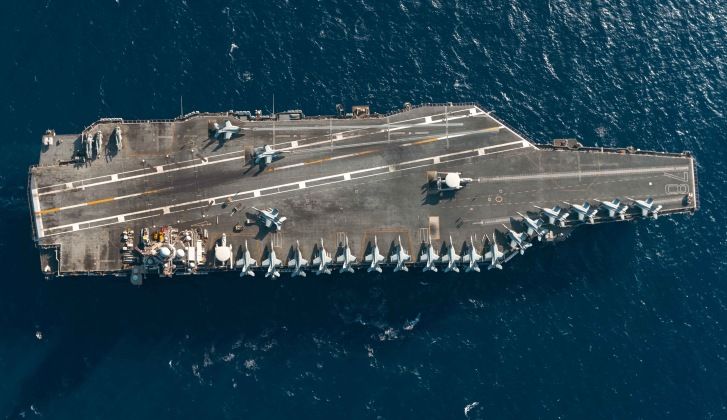
The USS John F. Kennedy is estimated to cost $12.9 billion, while the USS Doris Miller is estimated to cost $14 billion, with these estimates potentially rising further in the future following major cost overruns throughout the Gerald Ford class carrier program. The ships are more than twice as costly as the Nimitz class aircraft carrier which have the same 100,000 ton displacements, and which they were designed to replace. The next Gerald Ford class aircraft carriers benefit from a number of significant design changes that address major issues with the first ship of the class. Issues with the USS Gerald Ford have been wide ranging, affecting its weapons elevators, electromagnetic catapults, human waste management and sensors.
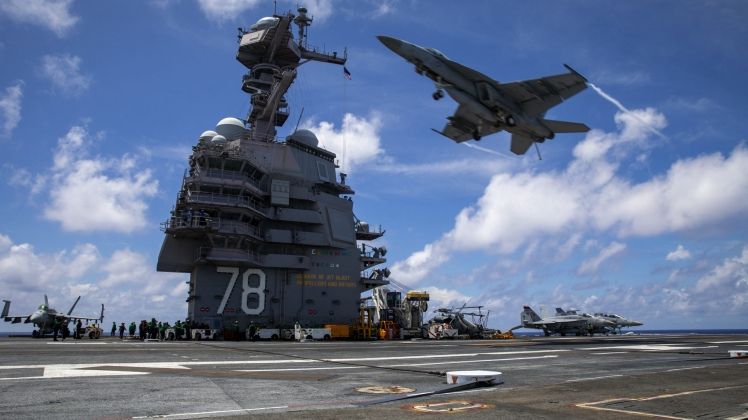
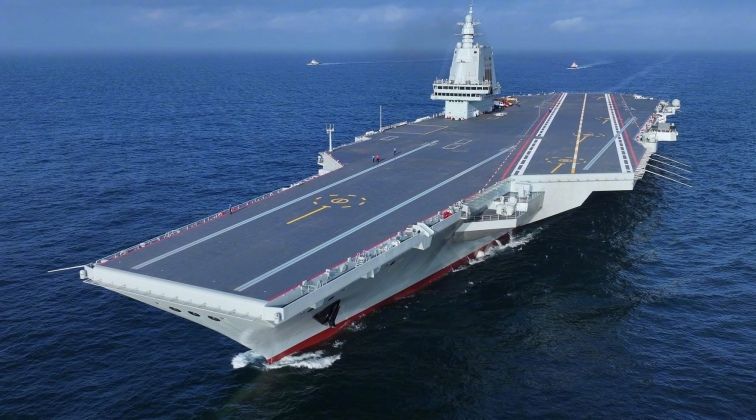
The production, launch and commissioning of more Gerald Ford class aircraft carriers has gained growing urgency after China commissioned its first supercarrier, the Fujian, in November 2025, which is the sole warship in the world considered capable of operating on a similar level. The Fujian has a 25 percent lower rate of launching aircraft and lacks a nuclear propulsion system, but has a considerably more formidable air wing due to its integration of much longer ranged and more modern J-15B and J-15D fighters and electronic attack jets, and J-35 fifth generation fighters. Chinese shipyards are currently producing both nuclear powered and conventionally powered supercarriers, both of which are expected to outmatch the U.S. Navy’s older Nimitz class ships.
