
U.S. Navy Considers 60% Cut to Supercarier Fleet as Chinese and Russian ‘Carrier Killer’ Weapons Multiply
Military Watch Magazine Editorial Staff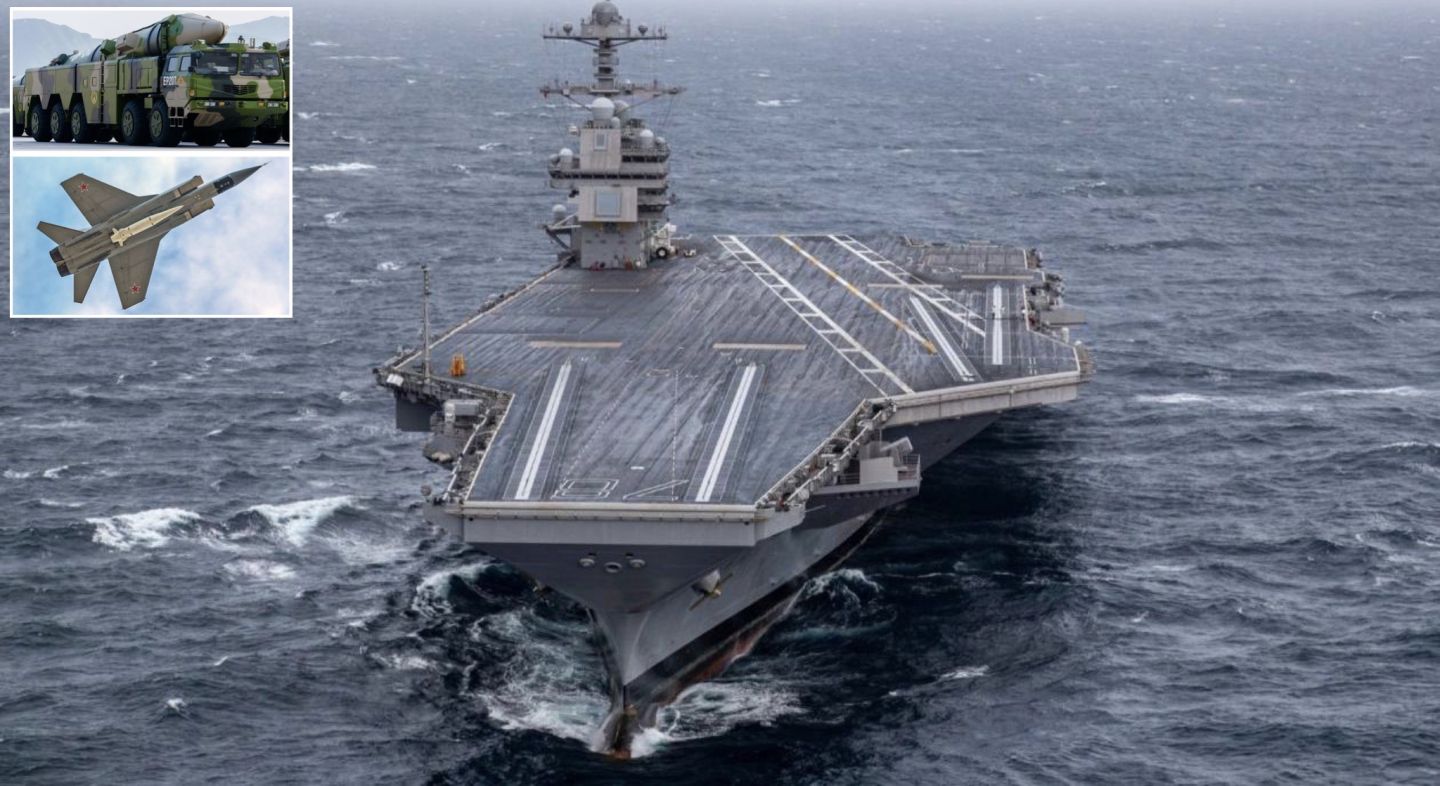
U.S. Navy Supercarrier USS Gerald Ford with DF-21D and Kh-47M2 Hypersonic Anti Ship Ballistic Missiles
The U.S. Navy is currently evaluating its plans to invest in a superccarrier fleet, and with funds increasingly stretched and plans for a massive expansion to the surface combat fleet over the coming decade unlikely to be met cuts to the number of supercarrierrs deployed are under serious consideration. The Navy previously planned to acquire ten Gerald Ford Class 100,000 ton supercarriers, which would replace the ten currently serving Nimitz Class ships in frontline service. The two ships are almost identical in size and role, with the newer Ford Class benefitting from more powerful nuclear propulsion systems, more advanced electromagnetic rather than steam catapults, superior sensors and higher levels of automation which reduces crew requirements. This comes at a very considerable cost however, as while the last Nimitz Class ship cost approximately $5.5 billion adjusting for inflation, the Gerald Ford Class ships come at around $15 billion per hull - or 273% as much.
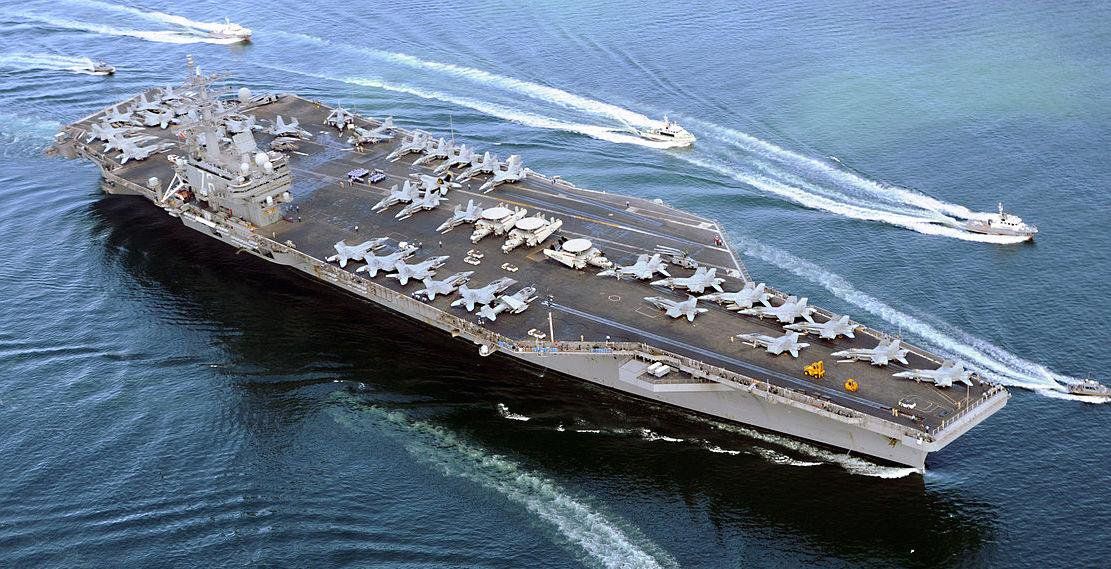
The U.S. Navy plans to begin the Future Carrier 2030 Task Force study to evaluate whether supercarrriers will be the most cost effective means of projecting power in coming decades, and will assess the viability and survivability of a supercarrier fleet in the face of expected emerging threats both over the coming decade and beyond 2030. One possible option is the premature termination of the Ford Class supercarrier program, meaning the Navy will not placed further orders for the ships and will deploy only the four it has already ordered. A shift from using carriers for frontline operations to preserving them for blue water ocean control and protection of supply lines - where they will be further away from enemy threats - is also under consideration.
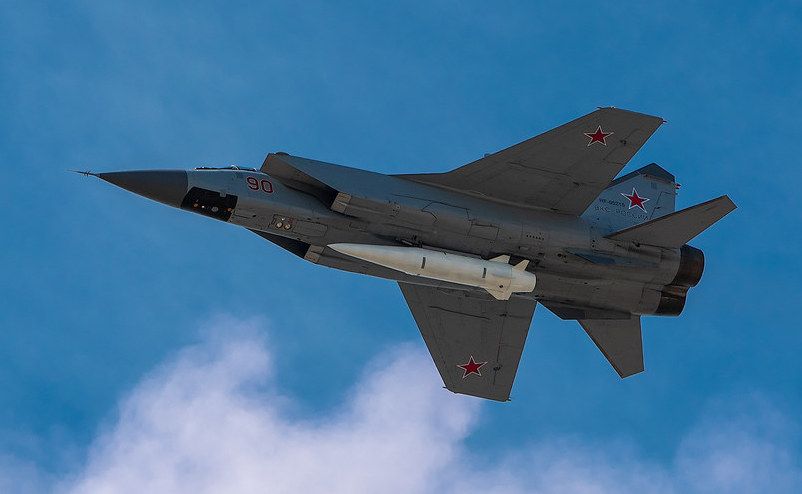
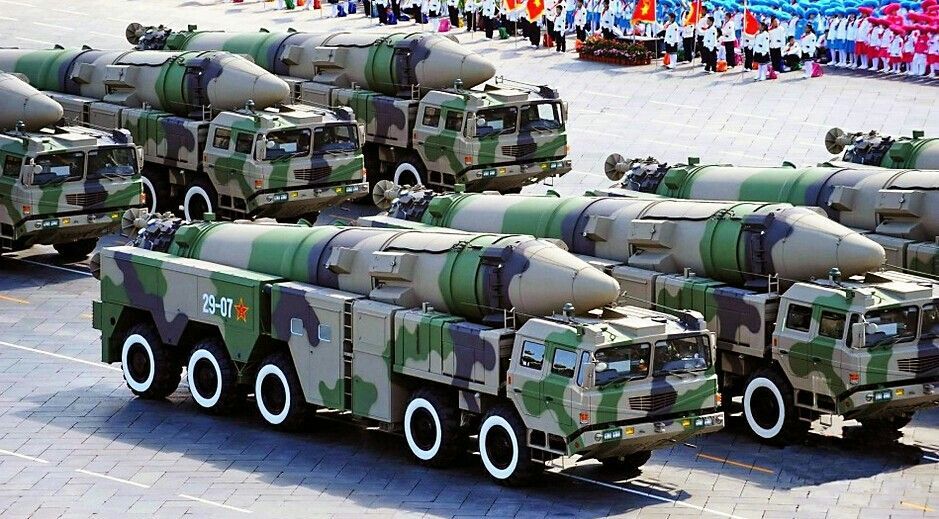
The viability of supercarriers has increasingly been in question in recent years as ‘carrier killer’ weapons have continued to proliferate, with new hypersonic ballistic missile systems such as the Chinese DF-21D and DF-26 and Russia’s Kh-47M2 all having engagement ranges of several thousand kilometres, capable of striking at high hypersonic speeds, and able to disable even the largest supercarriers with a single direct hit. Short of disabling targeting satellites, the U.S. Navy currently has no defence against such weapons. The proliferation of ‘carrier killer’ weapons has only grown, from Russia’s deployment of the Zicron hypersonic anti ship cruise missile from December 2019 to North Korea’s development of its own carrier killer weapons.
The U.S. Navy has considered a number of alternatives to supercarriers, most notably lighter ships similar to the ‘Lighting Carriers’ it has started to field - 40,000 ton Wasp Class and America Class assault ships which can deploy up to 20 F-35B vertical landing capable fighters. While the F-35B is much less capable than its supercarrier based counterpart the F-35C, and these ships have a much lower endurance and efficiency and lack the ability to deploy support aircraft such as the E-2 Hawkeye, they are much less costly and are considered more survivable in a contested environment. An alternative would be a heavier ship which also minimises costs and crew requirements based loosely on the British Queen Elizabeth Class design, which also deploys the F-35B but can deploy over twice the number as the Wasp Class. The ships lack nuclear propulsion, catapult launch systems or arresting gear as the Nimitz and Ford Class ships have, but are considerably cheaper and require far less crew. The ships are essentially large helicopter carriers, and other than vertical landing capable jets they are incapable of deploying fixed wing aircraft.
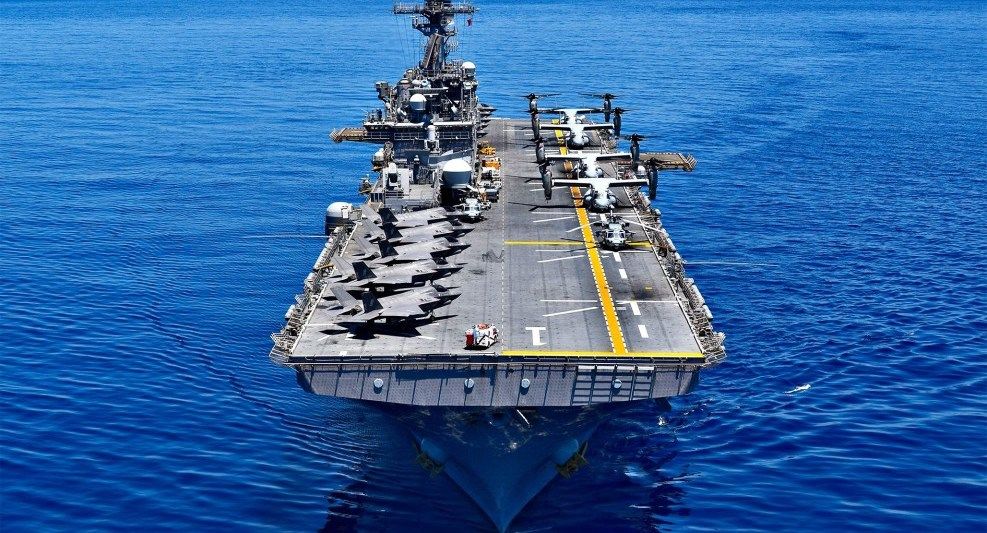
It remains to be seen how the U.S. Navy will proceed, and while supercarriers are costly they are far more efficient and arguably bring better value for money than their lighter counterparts. With China and Russia both planning electromagnetic catapult equipped supercaarrierss of their own, the former which has already begun construction, the U.S. may seek to maintain a larger fleet to ensure a continuing numerical advantage - particularly given the advantages potential adversary supercarriers would have over light carrier designs in combat. Means to increase the survivability of the supercarriers have also been explored - most notably deployment of carrier based stealth drones capable of serving as tankers to provide aerial refuelling for its air wing. This, and the deployment of heavier and higher endurance sixth generation fighter jets, would allow the warships to deploy fighter squadrons against their targets from much longer distances, thus keeping the ships further out of harm’s way.
