
Funding Cut for U.S. Navy’s Much Needed Air Dominance Fighter Sixth Generation Program - Potential Consequences
Military Watch Magazine Editorial Staff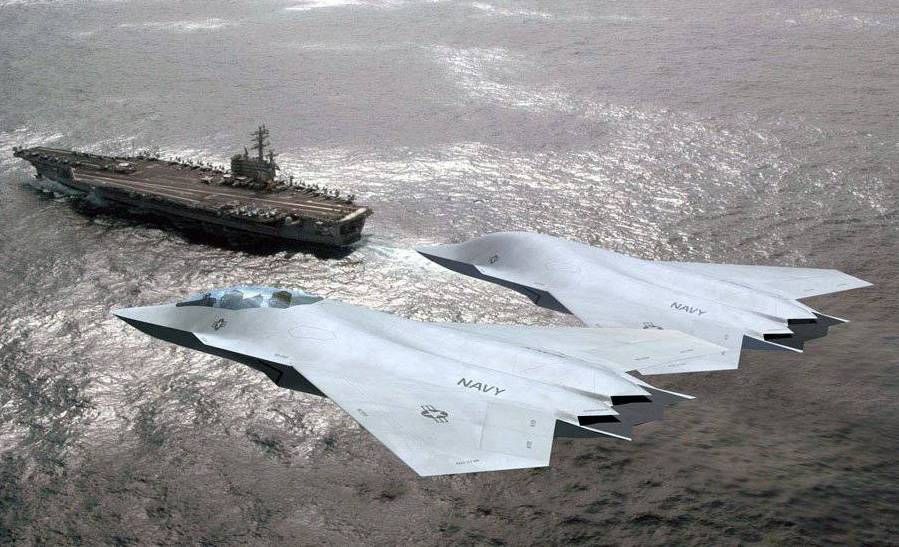
U.S. Navy Air Dominance Fighter Sixth Generation Jets - concept art
The U.S. Navy’s Sixth Generation Fighter Program, the Air Dominance Fighter, in December 2019 saw a dramatic funding cut by the U.S. Congress - potentially setting back the vital weapons program at a time when it is needed most. The fighter is currently under development to replace the U.S. Navy’s F-18E Super Hornet, a fourth generation platform in service since 2001 which has since been upgraded to a ‘4+ generation’ standard. The Super Hornet was selected in the Cold War’s aftermath as a low budget platform for the U.S. Navy’s supercarriers, and is currently the only operational fighter which deploys from these warships. The aircraft lacks the range and endurance of its heavier predecessor the F-14D Tomcat, which deployed a heavier weapons payload, a larger radar and could fly considerably faster and higher, but was selected due to its low operational costs and maintenance requirements which were prized in the Cold War’s aftermath. This came at a heavy price in terms of performance. The F-14D was initially set to be replaced by a heavyweight fifth generation fighter, either based on the F-22 Raptor or loosely on the F-14 itself, but these ambitious programs for high performance aircraft were cancelled shortly after the Soviet collapse. With the U.S. facing growing challenges to its air superiority from near peer adversaries from the early 2010s, and with both China and Russia developing high performance carrier based fighters of their own, the F-18E appears increasingly insufficient.
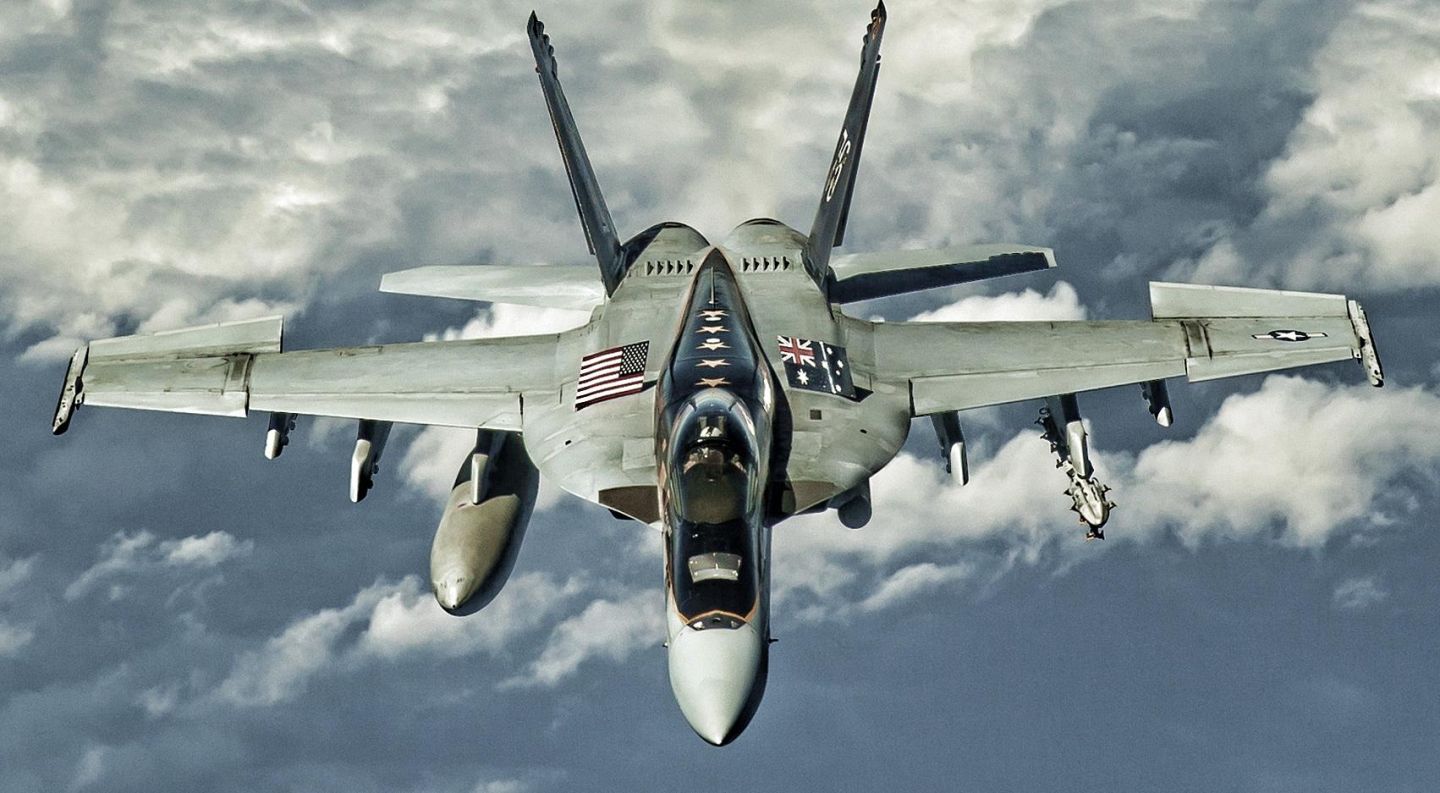
The U.S. Navy previously planned a budget of $20.7 million for research and development for the next generation fighter for 2020, but this was cut by 66% by Congress. The fighter program will likely be able to benefit from technologies developed from other programs such as the Air Force’s F-X and the fifth generation F-35 program, but a 66% budget cut is still likely to hit the program hard. Carriers face serious threats from growing numbers of ‘carrier killer’ weapons, from North Korea’s Kumsong-3 (KN-19) mobile cruise missile system to the Chinese DF-21D and DF-26 anti ship ballistic missiles and the Russian Kh-47M2 air launched ballistic missile, which combined with threats to the Navy's air wings from new and more capable air superiority fighters, air to air missiles and air defence systems makes the need for a high endurance jet with a very high air to air performance imperative. While integrating advanced electronics, the F-18E’s flight performance and range are mediocre at best, and other than considerations for its age and weight range it is important to consider that the platform was never designed for a high end air superiority mission - unlike the F-14D and the sixth generation Air Dominance Fighter. Should budget cuts thus delay the sixth generation program, it could have serious consequences for the capabilities of American carrier strike groups.
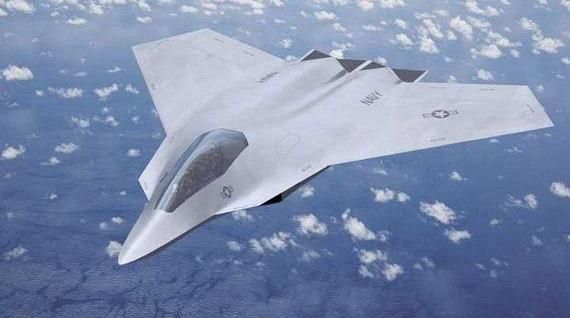
The U.S. Navy has notably planned consecutive funding increases for research and development of its new fighter up to 2024, when funding was scheduled to peak at $372 million, with funding in 2020 reportedly needed to reduce risk later in the acquisition process. The funds denied to the Navy were intended to “Support Technology Maturation and Risk Reduction (TMRR) acquisition planning and execution,” which would among other things define the fighter’s propulsion and power system requirements. In response to the very limited range of the Super Hornet, and even the F-35C which is set to enter service as a complementary lighter single engine platform, the sixth generation fighter is expected to prioritise a long range. This is particularly vital as carriers are increasingly denied the ability to operate near enemy coasts by increasingly sophisticated anti access weapons systems. Retired U.S. Navy submarine officer and analyst Bryan Clark, for one, noted regarding what the shift from the budget Super Hornet to the much more high end sixth generation fighter represented: “The air wing of the future is going to have to be focused less on attacking terrorist training camps and huts in Syria, and more focused on killing ships and submarines at sea — dealing with naval capabilities and island-based littoral capabilities… Those are the challenges: Range and the mission set is changing.” Among the new technologies the sixth generation fighter will deploy are new and more powerful engines, a stealthier profile and a new generation of sensors, data links, electronic warfare systems and air to air missiles.
