
How Russia’s New Zircon Hypersonic Missile Will Affect East Asian Power Balance
Military Watch Magazine Editorial Staff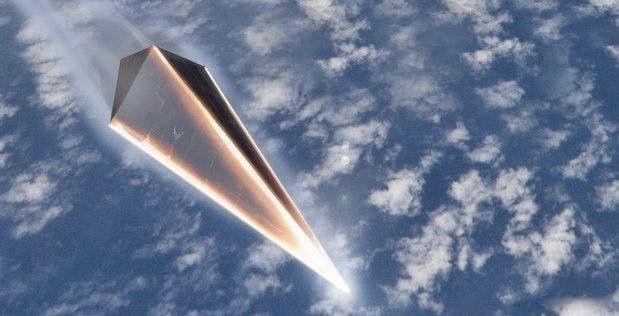
Hypersonic Glide Vehicle - artwork
A number of recent revelations regarding Russia’s new Zircon hypersonic cruise missile, including clarification regarding the schedule for its entry into frontline service in the Russian Navy, have had considerable implications for the balance of power in the Asia-Pacific region in particular. The missile is the lightest and most tactical of six major hypersonic weapons systems unveiled by Russian President Vladimir Putin in March 2018, and the President personally elaborated on its capabilities in early 2019. The Zircon was designed to neutralise enemy warships at extreme ranges, and will build on the already formidable capabilities of the 3M54 Kalibr which is currently the most capable anti-ship cruise missile deployed by Russian warships.
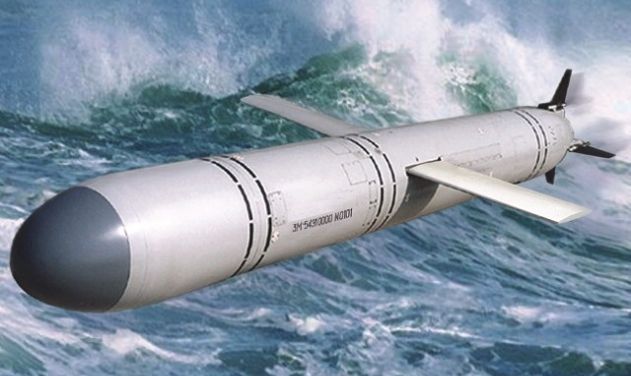
While the Kalibr was prized for its long 660km range, over double that of the subsonic American Harpoon, and for its impact speed of around Mach 3, the Zircon will retain a range of over 1000km and an impact speed of between Mach 8 and Mach 9. This is sufficient to tear even larger warships in half and disable an aircraft carrier with a single well placed hit. The Zircon’s highly manoeuvrable warhead and state of the art electronic warfare countermeasures will make the missile effectively impossible to intercept for even the most modern missile defence systems in service worldwide, with even the Kalibr’s Mach 3 speed posing a serious challenge to the AEGIS defence systems deployed by U.S. and allied destroyers and cruisers. Unverified reports of ‘plasma stealth’ capabilities similar to those on the CIA’s Cold War era A-12 surveillance jets would, if true, only further improve survivability. The new Russian missile will be compatible with the same vertical launch system that deploys both ground attack and anti-shipping versions of the Kalibr and Russia's older P-800 cruise missiles, effectively allowing all the Russian Navy's modern warships to integrate the missile. The high estimated cost of the missile, even greater than the already expensive Kalibr, means deployments will at least initially be relatively limited.
With President Putin in early November confirming that the Zircon would be deployed by the end of 2019, and would be present at the commissioning of the Russian Navy’s first Gremyashchiy Class corvette, the imminent nature of the threat posed by the new missile to Russia’s potential adversaries was strongly emphasised. The Pacific theatre in particular was highlighted as a region where deployment of the Zircon may have a particularly powerful impact following reports that the first Russian destroyer to be equipped with the missile, the Marshal Shaposhnikov, would be deployed under the country’s Pacific fleet. While the Russian Baltic and Black Sea fleets are expected to fight in relatively confined spaces, the Pacific theatre’s vast growing importance, growing military competition particularly since the Barak Obama administration’s Pivot to Asia initiative, and perhaps most importantly the far wider expanses of sea and greater possibility for engagement at longer distances, means that this theatre is likely to be prioritised for deployment of the Zircon. News of the platform’s deployment to the Pacific fleet closely coincided with reports of plans for costly upgrades to the Russian Navy’s submarine facilities in the region, and could signal part of a broader Russian effort to play a role as a major Pacific naval power. This possibility was previously highlighted when Russia began to deploy Kh-47M2 hypersonic air launched ballistic missiles, highly capable ‘carrier killer’ weapons, from early-mid 2018.
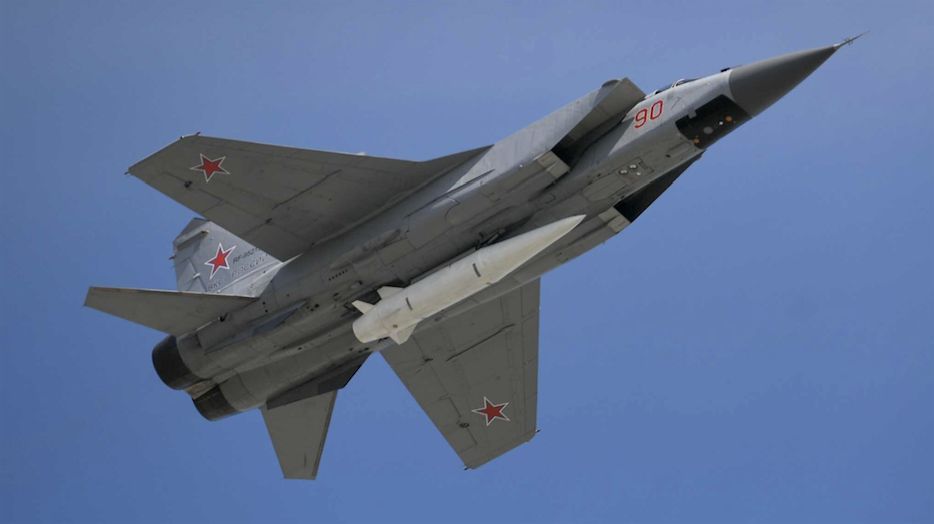
With no other Navy fielding comparable anti-ship missile systems, Russia has the potential to press its advantage to gain some major clout in Northeast Asia - and potentially work more closely alongside the Chinese People’s Liberation Army (PLA) towards an alternative regional order from the preceding status quo of undisputed Western maritime dominance. The fact that both parties have begun joint air patrols in the region is but one major indicator of such cooperation, and Russia’s deployment of new hypersonic missile technologies which can serve as a very effective force multiplier for its fleet is thus very significant for the future of regional order. Perhaps most significantly however, the possibility of proliferation of the Zircon either through direct sales or through transfers of its technologies to neighbouring China remain a very real possibility. Indeed, with Western analysts repeatedly questioning how Russia has continued to afford such ambitious weapons programs despite major contractions in its defence budget from 2018 the possibility remains that the PLA may be providing funding to research and development efforts in return for greater access to the technologies developed - to the benefit of both powers and the detriment of their many shared adversaries. Sharing research and development costs in this way is widely practiced by allied states – the participation of multiple European states in the F-35 fighter program being a key example granting all such participants privileged access to the end product and its technologies.
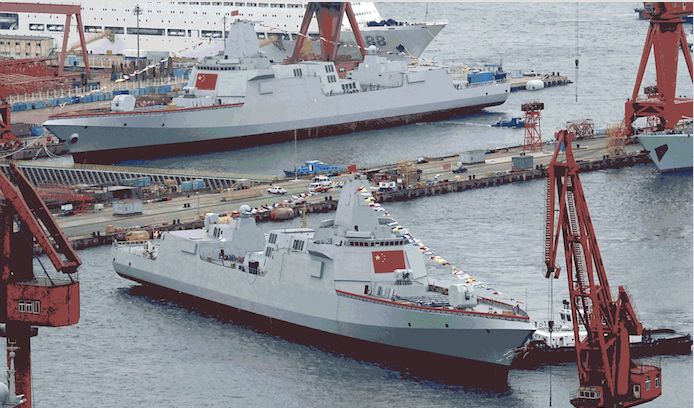
Given that Russia has provided China with some of its most sensitive military hardware, the 40N6E hypersonic surface to air missile from the S-400 system being a key example, and considering the closeness of defence ties between the two states as perhaps best evidenced by the sharing of launch codes for strategic air defence systems, the transfer of Zircon technologies to the Chinese PLA remains very possible. China’s small fleet of Russian built Advanced Kilo Class submarines can deploy the missiles directly in place of the Kalibr missiles currently in service, but Chinese interest is likely to lie primarily in acquiring technologies for an indigenous cruise missile – likely the YJ-XX currently under development. An indigenous missile with similar capabilities to the Zircon would provide new Chinese destroyers such as the Type 052D and Type 055 will an overwhelming advantage over their Western and Japanese counterparts. While Chinese anti-ship cruise missiles such as the Mach 3 YJ-18 and subsonic but longer ranged YJ-100 can both already comfortably outrange their slower American counterpart the Harpoon, and the Chinese Type 055 Class can deploy more cruise missiles than any other destroyer in the world, a missile on par with the Zircon integrated onto such warships would make these advantages overwhelming. This issue will be all the more serious for the United States and its allies when considering not only how much more modern and heavily armed Chinese surface ships are relative to their Russian counterparts, but also that China will be able to afford the deployment of new hypersonic missiles in far larger numbers. How the balance of power in Northeast Asia will be affected by new Russian hypersonic cruise missile technologies remains to be seen, but the consequences of the Zircon’s deployment even if not immediately proliferated to allied states will be very significant.
