
China's Elite Type 055 Destroyers - Not its Aircraft Carriers - Are the PLA's Key to Naval Primacy in the Pacific
Military Watch Magazine Editorial Staff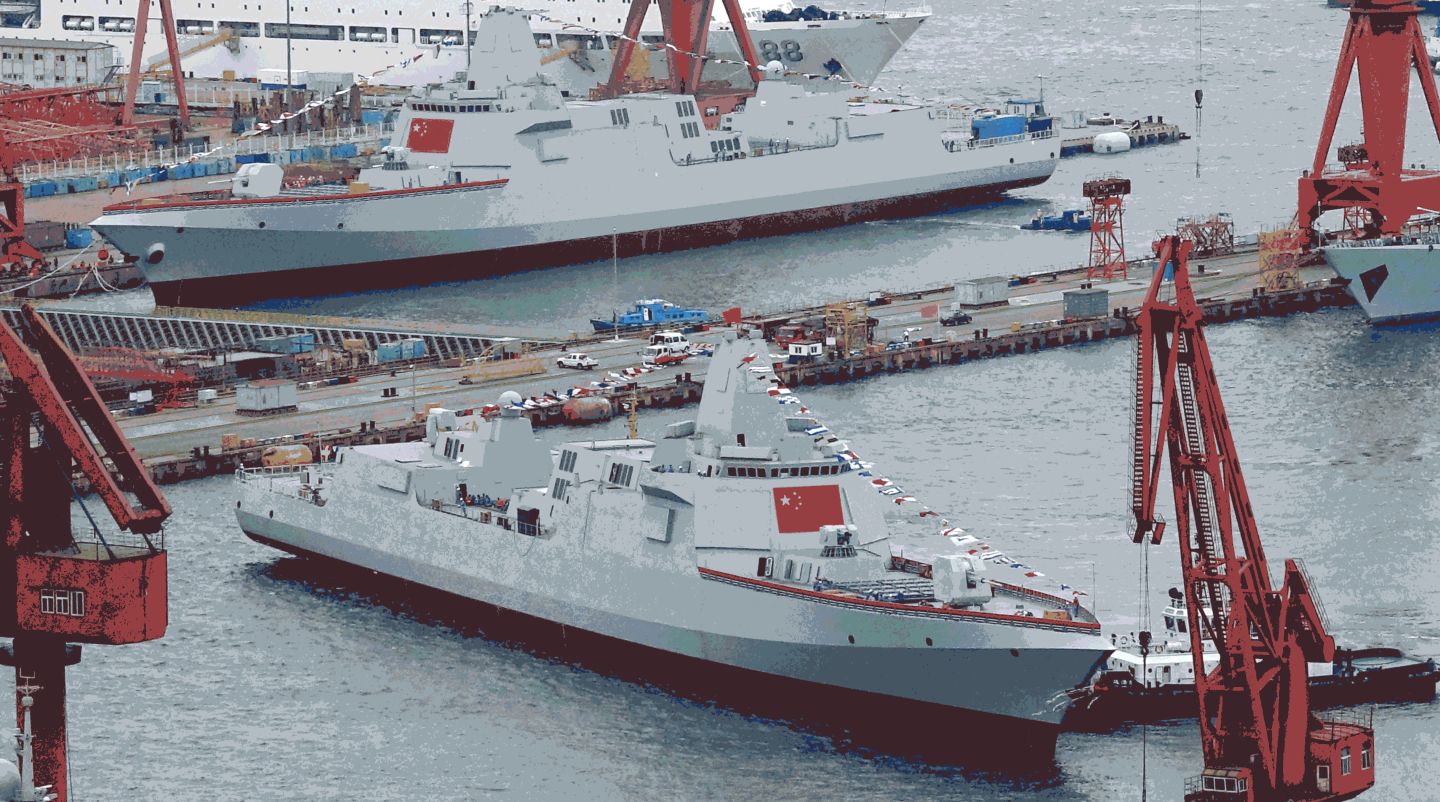
PLA Navy Type 055 Class Destroyers
The rapid expansion of China’s People’s Liberation Army (PLA) Navy’s cutting edge surface fleet has been heralded as the fastest naval expansion in history - transforming a small service with few modern capabilities into a world leading force within 20 years. While the PLA Navy’s development of aircraft carriers has been by far its most prolific development, with recent reports indicating that the service could field seven sizeable carrier warships by 2025 up from the single vessel currently in active service, another development is set to have an arguably far greater impact on the fleet’s capabilities. The PLA in March 2014 inducted its first Type 052D destroyer, an 8,500 ton warship designed to surpass the capabilities of the U.S. Arleigh Burke Class - by far the most capable Western destroyer in service at the time. The Chinese vessels were armed with some of the most modern systems available including H/LJG-346A 'Dragon Eye’ active electronically scanned array (AESA) radars, HQ-16, HHQ-9, HHQ-10 and DK-10A surface to air missiles and a number of cutting edge anti ship and anti submarine warfare systems and a revolutionary new modular vertical launch systems (VLS) among other assets.
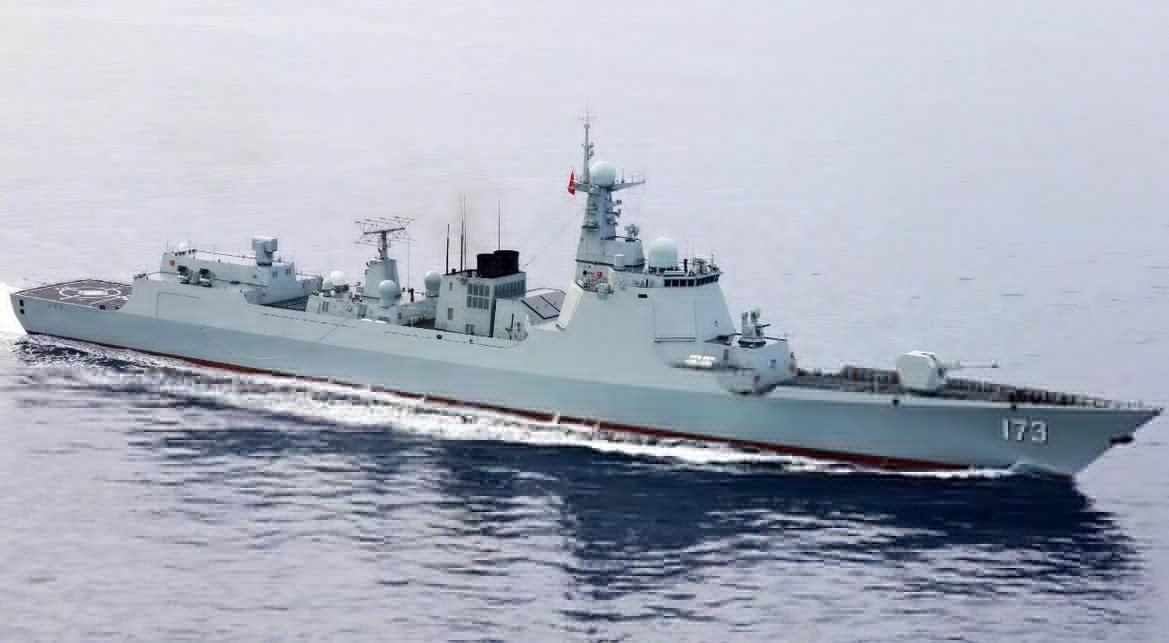
Chinese PLA Navy Type 052D Class Destroyer
While highly formidable, the Type 052D appears to represent only a stepping stone in China’s development of a world leading destroyer. Though building aircraft carriers have gained the PLA Navy considerably more attention, it is the country’s destroyer fleet which sets it apart from rival naval powers - and which alone can more than compensate for the United States’ vast advantage in the quality and quantity of its aircraft carriers. Not only are destroyers relied on to escort carriers and form strike groups, without which the carriers would be extremely vulnerable and highly lucrative targets for enemy air and missile attacks, but they are also fielded in far greater numbers and relied on to perform a grater variety of tasks. A carrier strike group with a mediocre carrier but excellent destroyer escort arguably has a far greater chance of prevailing that one with an excellent carrier but sub par destroyers - with the heavily armed ships able both to negate an enemy’s aerial advantage by forming an advanced multi layered surface to air missile network as well as targeting and quickly neutralising enemy warships at extreme ranges.
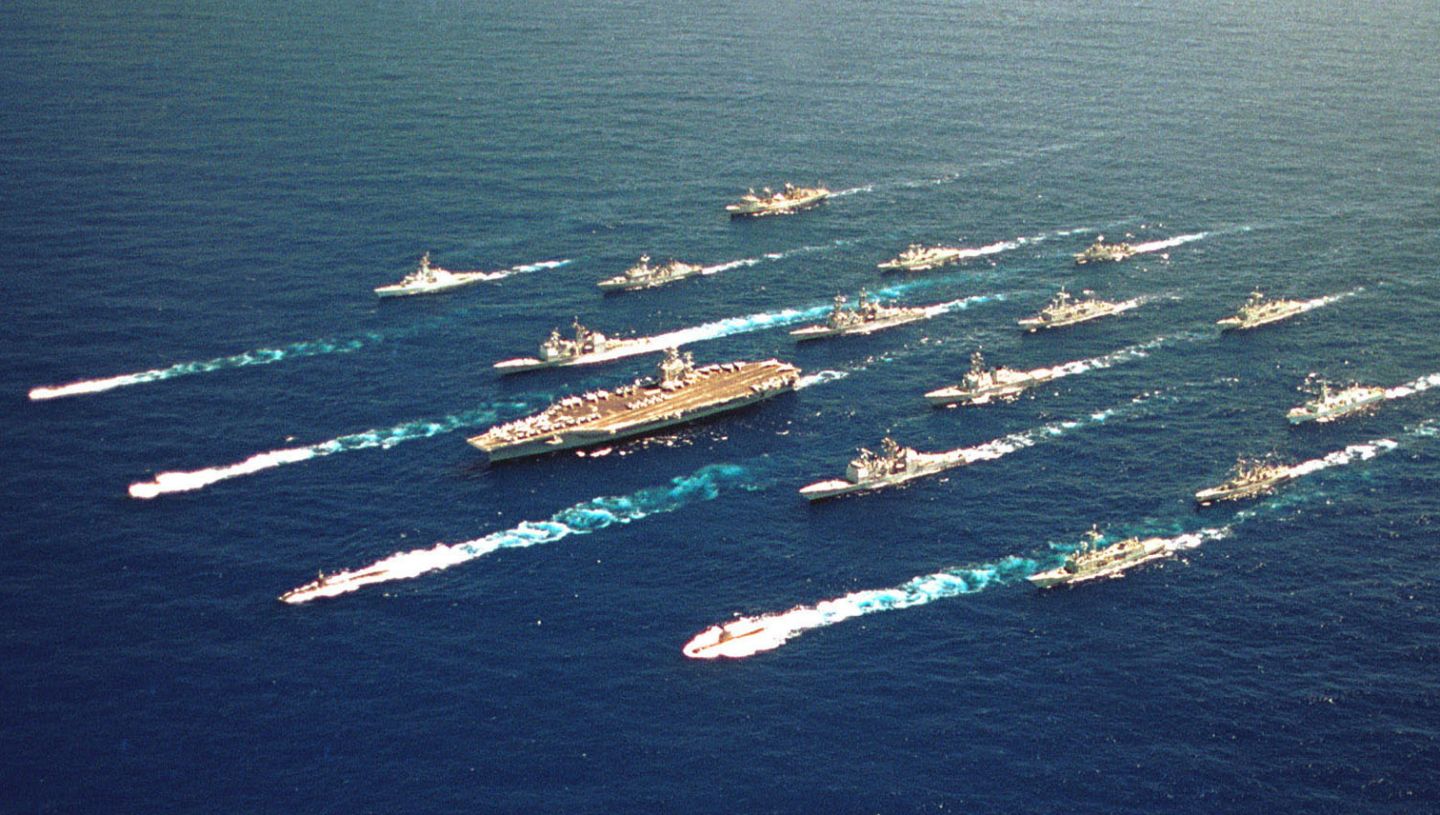
U.S. Navy Carrier Strike Group Led by Supercarrier USS Abraham Lincoln - Escorted by Arleigh Burke Class Destroyers and Support Vessels
In 2018 Chinese shipyards completed the first three of the PLA Navy's elite Type 055 destroyers - the heaviest and most capable warships of their kind in the world. The PLA is set to induct six new destroyers every year - three of the Type 055 Class and three of the lighter Types 052D Class, making it by far the largest growing destroyer fleet in the world and putting it on course to quantitatively surpass the U.S. Navy's own destroyer fleet before 2025. The induction of the two new destroyer classes will also provide the PLA fleet with a considerable qualitative advantage, and the far greater age of U.S. platforms including the bulk of its Burke Class destroyer fleet has necessitated extremely high maintenance requirements and hindered its ability to contend with the elite of China's own fleet. China's Type 055 Class makes extensive use of technologies pioneered by the Type 052D, and considerably surpasses all rival destroyers currently in service in its capabilities. The Type 055 boasts a 112 cell Vertical Launch System (VLS) array which can deploy a combination of ten different missile platforms for various operations, including HHQ-9B surface air missiles with advanced terminal stage anti ballistic missile capabilities (similar to the U.S, THAAD platform) HQ-26 anti ballistic missiles, and advanced DK-10A Quad packed surface to air missiles, alongside separate HQ-10 multirole long range air defence batteries. This provides Chinese naval contingents with what may well be the best protection from air and missile attacks in the world.
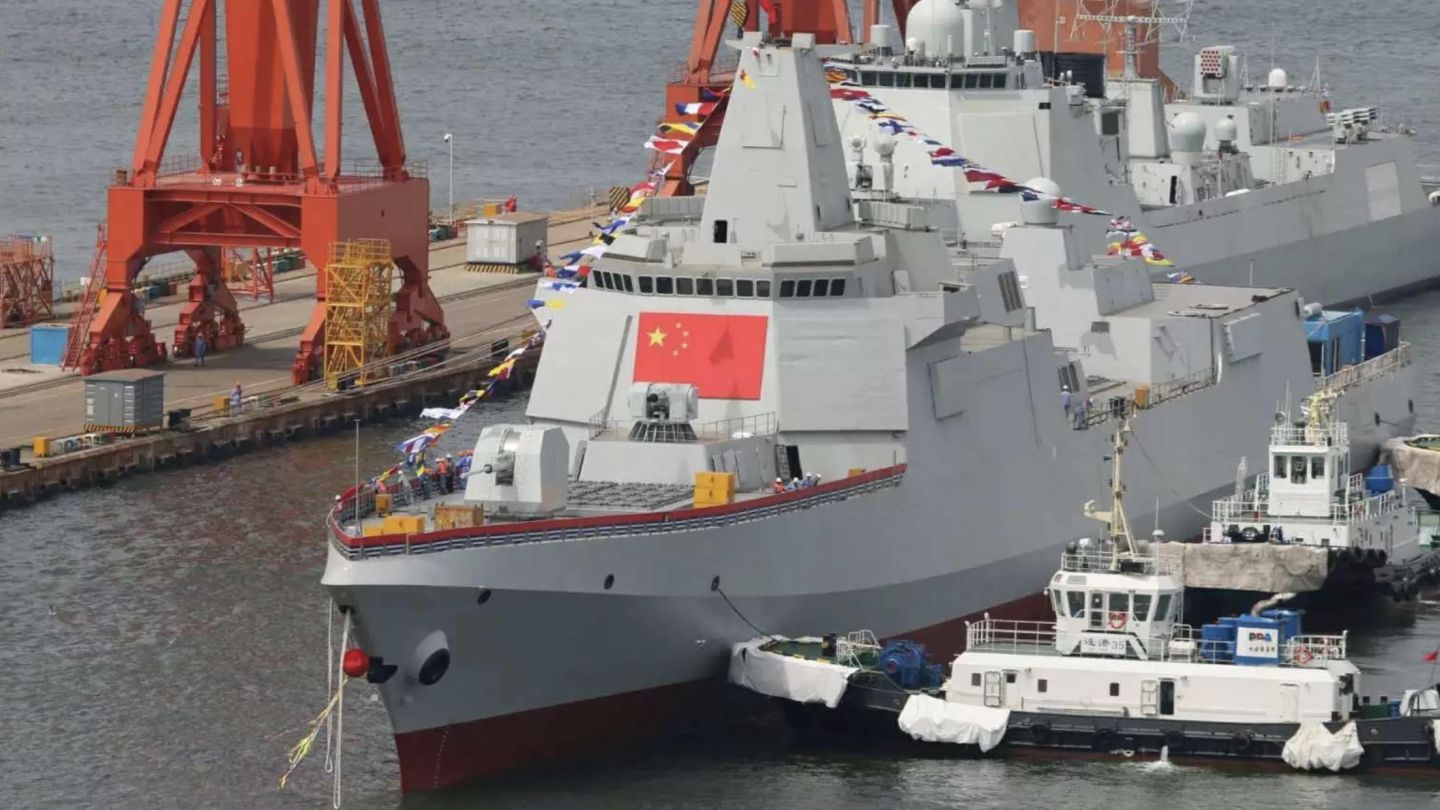
PLA Navy Type 055 Class Destroyer
Type 055 destroyers displace 13,000 tons each, an their induction is a major game changer for the balance of power in the East and South China seas - compounding the fast growing quantities of Chinese destroyers fielded with a vast qualitative advantage. While the U.S. Zumwalt Class next generation destroyer program was prematurely terminated, with the warships costing $7 billion each and over 90% of them cancelled, the Type 055 continues to evolve - with the PLA planning to deploy both anti satellite missiles and electromagnetic railguns among other next generation technologies to further enhanced the platform’s capabilities and increase its advantage over rival platforms. No Western power has yet to design a similarly capable platform capable of challenging the Type 055 - while the Russian Navy's plans for an even more heavily armed and powerful ship - the Shkval Class - are unlikely to materialise in the near future due to budgetary constraints and the lack of adequate shipyards. This leaves the Type 055 effectively undisputed as the world's most capable destroyer - with even the South Korean Sejong the Great Class, formerly prized for the size and sophistication of its arsenal, outgunned considerably by the new Chinese warship. Ultimately while the Chinese carrier fleet may not match the U.S. Navy’s own for over a decade to come, and Beijing may well have no intention of making such a costly and arguably unnecessary investment in large numbers of exclusively power projection oriented assets comparable to the American supercarriers, the capabilities of China's destroyer fleet pose a considerable threat to Western dominance in the Asia-Pacific and beyond - and allow the PLA Navy to engage the U.S. Navy's carrier strike groups with a number of considerable advantages.
