
China’s Type 055 Destroyers to Integrate Hypersonic Missiles for Greatly Enhanced Firepower
Military Watch Magazine Editorial Staff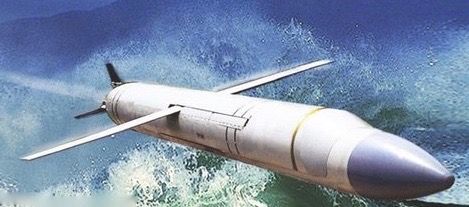
Chinese YJ-18 Anti Ship Cruise Missile
The Chinese People’s Liberation Army Navy’s latest destroyer class, the Type 055, has drawn significant attention across the Asia-Pacific and beyond since details of its planned size and specifications first emerged in the early 2010s. The first warship of the class, the Nanchang, took centre stageat the People’s Liberation Army Navy’s 70th anniversary parade in the final week of April 2019 - serving as a testament to how far the service’s capabilities had come over the past decade, with the formerly gaping qualitative disparity between Chinese combat ships and those of leading rival naval powers effectively bridged. In light of the failure and premature termination of the U.S. Navy’s Zumwalt Class stealth destroyer program, which with frequent breakdowns,equipment failuresand overruns leading to a cost of over $7 billion per shiprepresented one of the most ill-fated major weapons programs in American military history, the Type 055 has emerged as very likely the most capable next generation destroyer in the world. The warship benefits from advances in Chinese sensor, air defence and cruise missile technologies, which complement one another to provide the warship with highly formidable combat capabilities at standoff ranges. Furthermore, with a cost of little under $900 million (CN¥6 billion) it is more than 85% cheaper to manufacture and considerably less costly to operate.
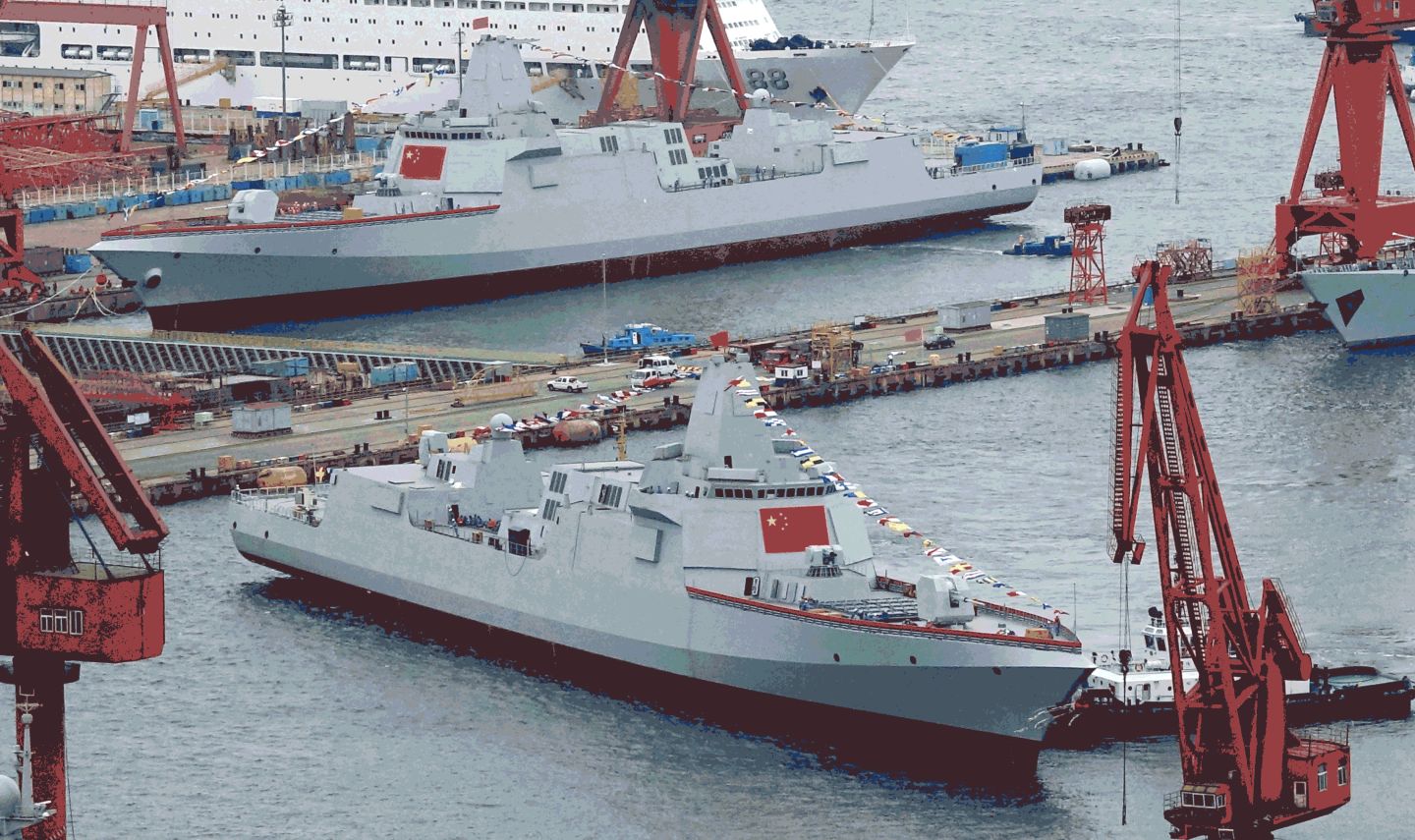
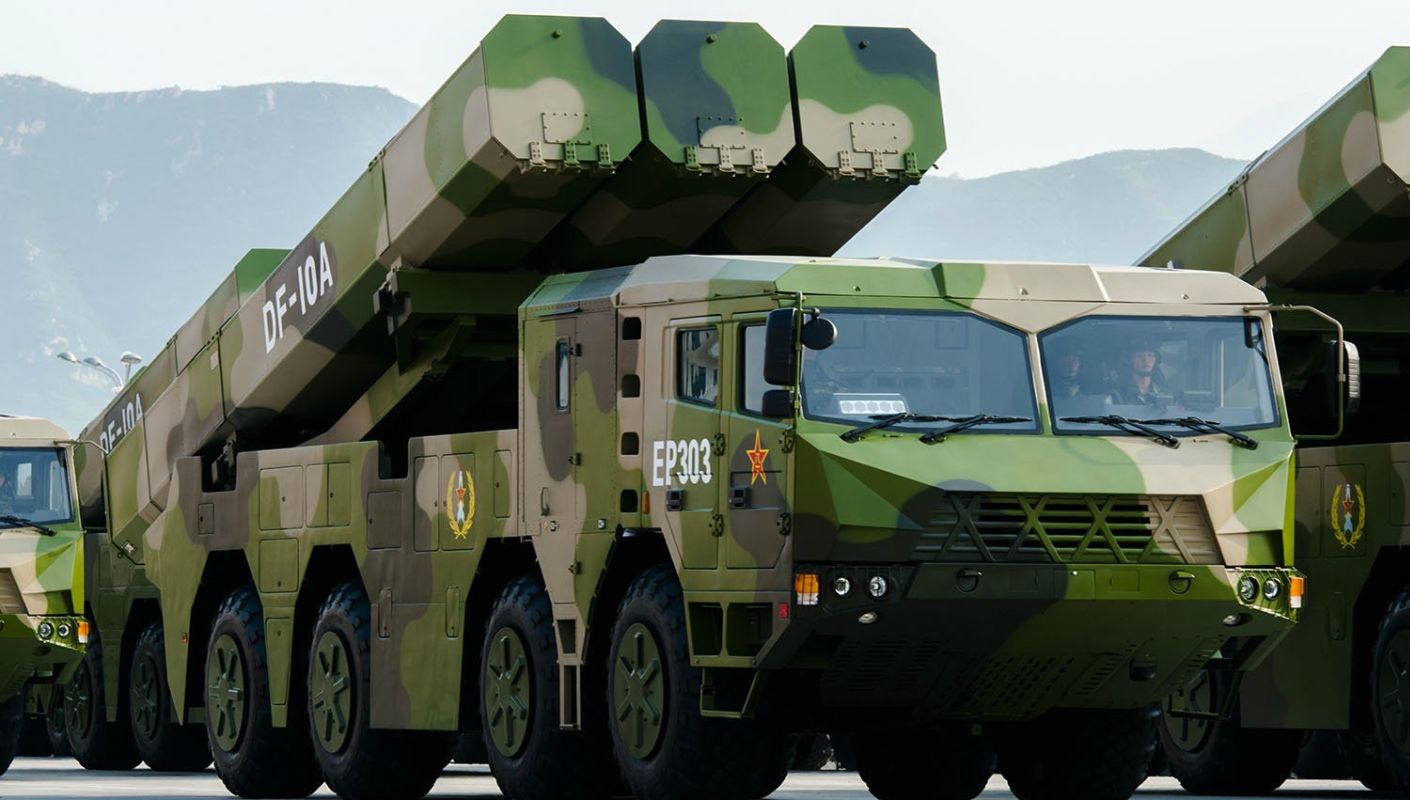
China’s new destroyer fields a multi-function, dual band active phased array radar, the Type 346B, which coupled with secondary sensors provides the warships with some of the highest levels if situational awareness of any surface combat vessels in the world. Perhaps the most notable feature of the Type 055 Class, however, is its armament, with 112 cell Vertical Launch System (VLS) array providing it with an arsenal unrivalled by any other warship of its kind - with access to ten known missile types for anti-ship, anti-submarine, land attack and air defence roles. This surpasses the 96 cell arsenal of the U.S. Arleigh Burke Class ships, and is further supplemented by 24 separate launch cells reserved for the HQ-10 surface to air missile system. While the HQ-10 is designed for short range air defence, and as such its missiles can be stored in smaller cells, it is complemented by heavier and longer ranged missiles launched from the Type 055’s main VLS including HQ-26 anti-ballistic missiles - a variant of the better known HQ-9 with a range exceeding 200km, and the HHQ-9B with advanced terminal stage anti-ballistic missile capabilities. These combine with DK-10A quad packed surface to air missiles (meaning four can be deployed from a single VLS cell) - a derivative of the air launched PL-12, and H/PJ-11 point defence systems, to provide the Chinese destroyers with some of the most effective air defence capabilities in the world - rivalling and in many ways surpassing the capabilities of the renowned AEGIS system used by U.S., Japanese and South Korean destroyers.
While the Type 055’s defences are formidable, and are key to the effective fulfilling of its planned role as an escort for the PLA’s growing aircraft carrier fleet, its is the warship’s offensive capabilities which have been cause for perhaps the greatest concern among China’s potential adversaries. In particular, the YJ-18 anti ship cruise missile of which the destroyer could theoretically carry over 100, provide it with unrivalled strike capabilities and a distinctive advantage over all rival destroyers currently in service. The missiles were first deployed in 2015 by the PLA’s 8,500 ton Type 052D Class destroyers, one of many technologies which were first integrated and tested on this lighter platform preceding their use on the Type 055. The YJ-18 stands out among modern cruise missiles carried by destroyers for both its combination of a long range and a high impact speed - cruising subsonically to cover most of its 540km range before accelerating to Mach 3 in its terminal phase. This speed is considered sufficient to tear most warships in half with a single direct hit - potentially doing more damage than the missile’s 300kg warhead. While formidable, the YJ-18 is outranged by the slower YJ-100 - a navalised variant of the CJ-10 surface to surface cruise missilewith an estimated engagement range of around 1000km. The missile is subsonic, limiting its damage upon impact, but does carry a heavier 500kg warhead allowing it to disable frigates and possibly smaller destroyers with a direct hit. The YJ-100 provides the Type 055 with a considerable range advantage over most potential adversaries, with the currently staple of the U.S. surface combat fleet’s anti-ship capabilities, the subsonic RGM-84 Harpoon Block II, restricted to a 130km engagement range. The Harpoon Next Generation unveiled by Boeing in 2015, with a 310km range, and the Raytheon Maritime Strike Tomahawk with an estimated 1000km range could help to close this gap in future, though whether they will enter service in large numbers and when remains highly uncertain.These munitions would provide American surface combatants with a considerable and much needed improvement to their previously lagging ability to target surface ships which is vital to contending with the latest generation of PLA warships as they enter service in large numbers.
While the Type 055 is a potentially lethal destroyer today, the technologies the PLA reportedly plans to integrate on it in the near future could make it a major game changer. These reportedly include electromagnetic railguns, anti-satellite weaponsand, perhaps most importantly, long range hypersonic cruise missiles. A key asset for China when pursuing the modernization of many of its military systems is that it has access to key technologies not only from its own military research, which though well-funded has only recently begun to operate at a near peer level to leading competitors such as Russia and the United States, but also many of the latest technologies developed by Russia’s defence sector. Growing Sino-Russian defence ties, which have reportedly reached levels of cooperation sufficient to involve the sharing highly classified information on missile and early warning systems, alongside the poor state of Russia’s economy which has made the opportunity to export defence technologies highly welcome, have allowed the PLA to acquire high end technologies for its fighter jets, air defences, submarines, and soon very likely its new generation of cruise missiles. Much as existing Chinese anti-ship cruise missiles benefit considerably from technologies acquired from Russia, the YJ-12, CX-1 and YJ-91 being key examples, so too will new hypersonic missiles being planned for the Type 055 Class almost certain to benefit significantly from Russia’s advanced hypersonic technologies - a field it which it currently appears to retain a considerable lead.
The Chinese hypersonic anti-ship cruise missile testedin the last week of April 2019, reportedly intended for deployment by the Type 055, will do much to cement the warship’s already prominent firepower advantages - with a speed estimated at between Mach 8 and Mach 10. Depending on the size and payload of this missile, dubbed YJ-XX, it could very well be able to disable even larger enemy warships such as cruisers and carriers with a single hit. The missile combines the strengths of the both the YJ-100 and the YJ-18, with an unspecified range of over 1000km, a high weapons payload and a very high impact speed. Russia is a particularly valuable source of technology for this weapons program due to its development of a highly similar missile for its own Navy- the Zircon - which is intended to save Soviet built heavy surface combat ships such as the Kirov Class and submarines such as the Typhoon Class from obsolescence when integrated. The Zircon was first successfully tested in 2016, most recently in December 2018, and will reportedly be ready for deployment from the country’s Kirov Class cruisers as soon as their current refit is complete. The extent to which the YJ-XX will resemble the Zircon remains uncertain, but a high degree of similarity is likely - much as the Chinese YJ-91 came to very closely resemble the Russian Kh-31 to mention just one example. Indeed, with Russia unable to acquire large numbers of many of its most sophisticated new weapons systems for its own armed forces, from 40N6 hypersonic surface to air missilesto Su-57 fighters, Chinese interest in these key next generation technologies is vital to funding costly research and development for which the Russian defence budget alone would likely prove insufficient. Russia’s hypersonic cruise missile program, which is currently unrivalled the world over, is very likely to be another example of this.
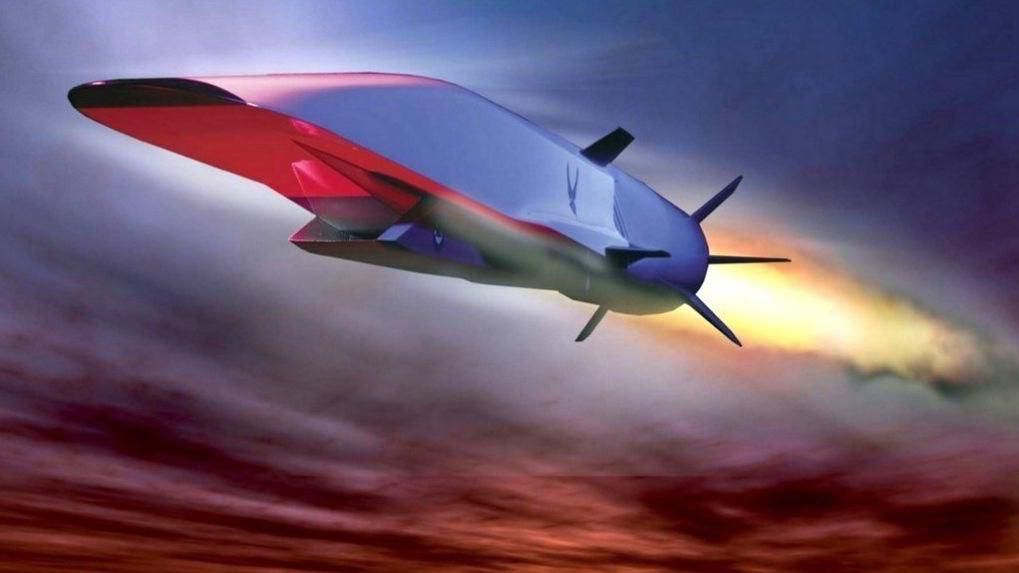
Armed with the YJ-XX, the Type 055 will strengthen its existing advantages over rival destroyers and undermine potential attempts by near peer naval powers such as the U.S. to bridge the current gap in standoff anti-ship capabilities through their own next generation missile programs. While the U.S. has more recently invested heavily in developing hypersonic missiles of its own, given its lack of experience operating even low speed subsonic cruise missiles, the size and age of the fleet which would need to integrate these munitions and the problem of compatibility with existing vertical launch systems, it is likely that China will retain a lead in the field for some time. Indeed, the extent to which the U.S. Navy will be willing to deploy the new Maritime Strike Tomahawk and Harpoon Next Generationis already in serious question - without which its destroyers and cruisers will face a very significant disadvantage against the new generation of PLA ships. The extent of Sino-Russian cooperation in developing hypersonic anti-ship cruise missiles, and how plans for future generations of anti-ship weapons systems after the Zircon and YJ-XX will materialize, remains to be seen, but it is likely that both militaries will continue to benefit significantly from this partnership.
