
Russian Superheavy Nuclear Battlecruiser Being Fitted with Hypersonic Missiles, S-400s, for Unrivalled Firepower Superiority
Military Watch Magazine Editorial Staff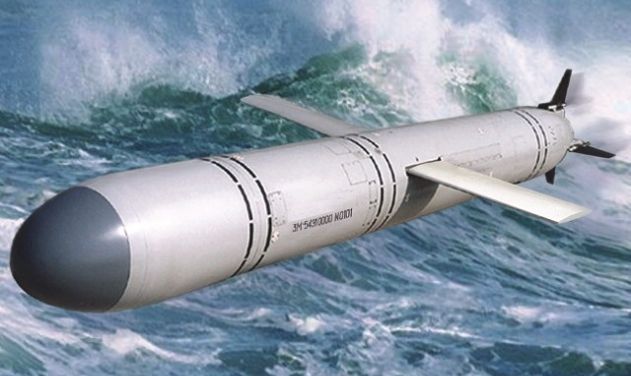
Kalibr Cruise Missile
One of Russia’s two serving Kirov Class nuclear powered battlecruisers, which were built as high endurance capital ships for the Soviet Navy to eliminate enemy carriers, cruisers and destroyers at standoff ranges, is currently undergoing a major refit which will serve to both extend its service life and seriously enhance its combat capabilities. The warship Admiral Nakhimov was commissioned by the Soviet Navy in 1988, one of four platforms of its class, and is expected to reenter service in 2021 after the three year refit is complete. The Kirov Class was initially designed to operate a navalised variant of the S-300P surface to air missile system - the S-300F - and much as its land based counterpart has since been phased out of service in the Russian military so too is the air defence system on the Admiral Nakhimov set to be replaced by a new naval variant of the S-400. This will allow the warship to intercept aircraft - including stealth platforms, ballistic and cruise missiles at hypersonic speeds and at extreme ranges - and if including a navalised variant of the S-400’s 40N6 missile it will provide it with an unrivalled 400km surface to air engagement range. The S-400 will provide over half a dozen major munition types for the Admiral Nakhimov, making it perhaps the most versatile combat ship in an anti aircraft and anti missile role in the world while providing the ship itself with multi layered air defence for improved survivability.
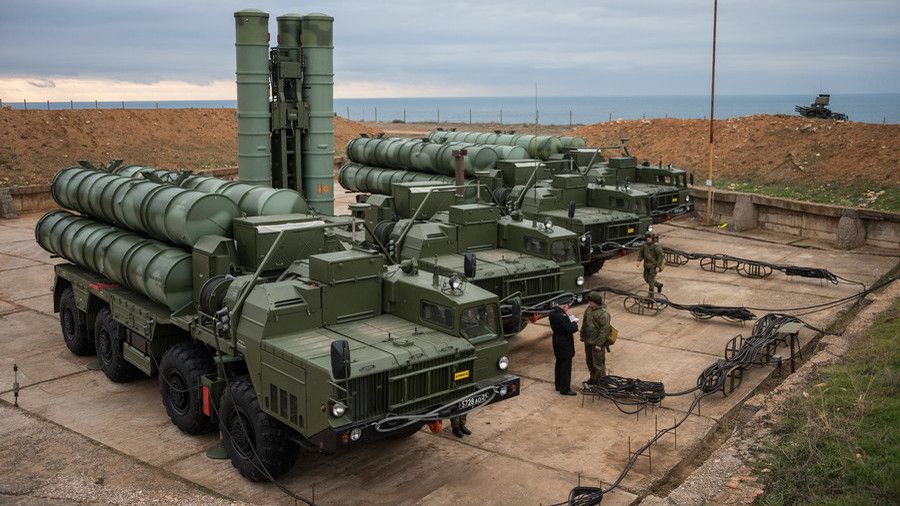
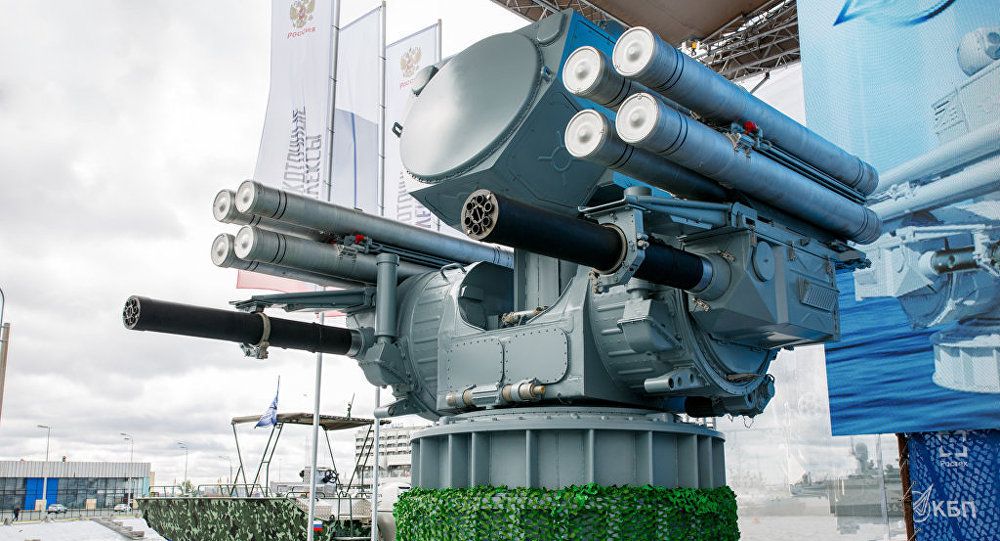
The S-300F’s extremely limited engagement and detection ranges, very low rate of fire and relatively low interception speeds combined with its limited array of interceptor munitions and lack of anti ballistic missile capabilities means that the S-400 will represent a very significant upgrade - integrating technologies more than two decades ahead of the older system. The navalised S-400 used by the Admiral Nakhimov is expected to have 96 launch cells - accommodating the world’s largest arsenal of surface to air missiles on any warship. Surface to air. abilities will be further augmented by complementary short and medium range air defence systems, with the Pantsir-ME expected to replace the battlecruiser’s six Kashtan close in weapons systems while the 44 4K33 ‘OSA-M’ missiles are replaced by the new Redut system - a navalised variant of the S-350 Vityaz designed as an effective complement to the S-400. These systems combined, while costly, will make the Admiral Nakhimov far more difficult to successfully target than any rival warship, and with the U.S. Navy currently heavily reliant on older subsonic cruise missile designs such as the Harpoon and Tomahawk its surface combat ships will find it very difficult to penetrate the Russian cruiser’s state of the art defences.
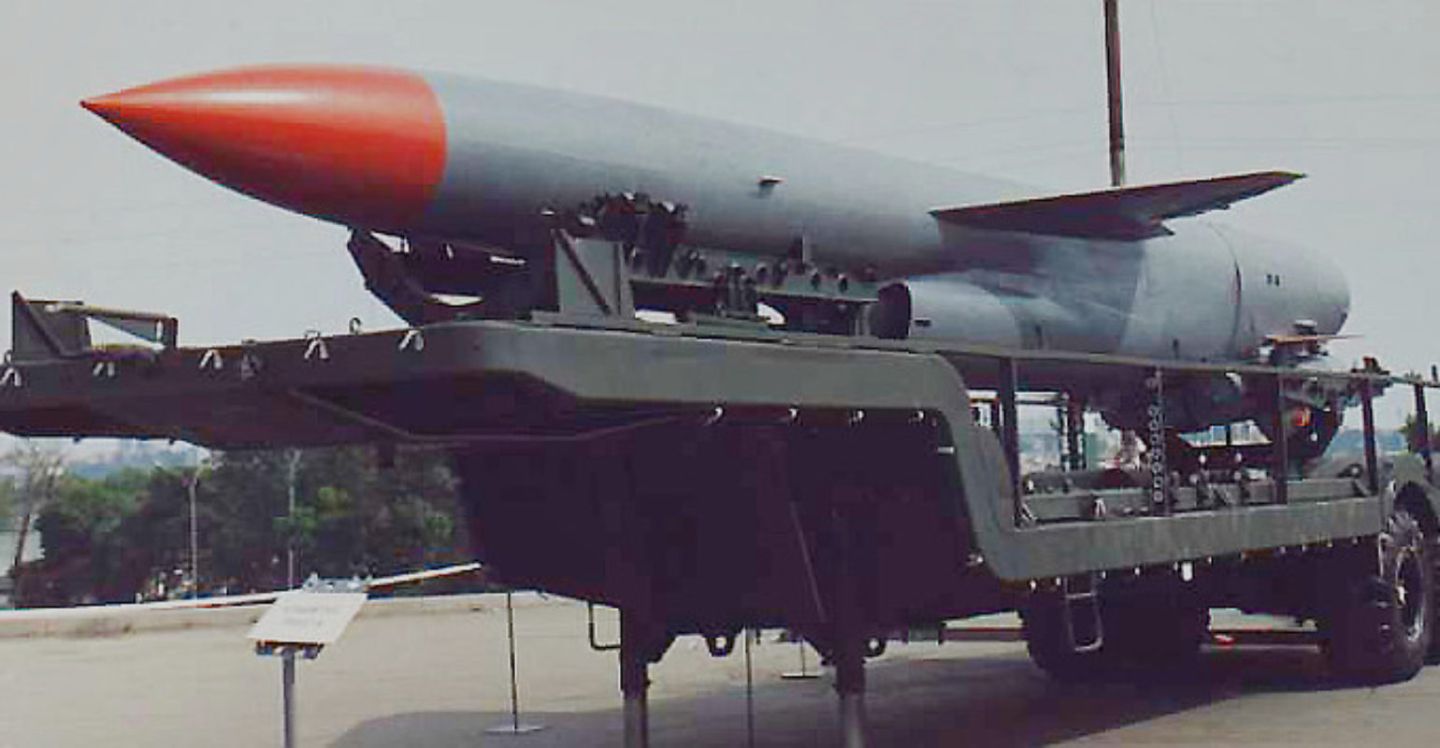
While the enhancement of the Kirov Class’ air defences represents a formidable upgrade, perhaps the most significant result of the refit will be the revolutionising of the warship’s offensive capabilities. The Russian battlecruisers were initially designed to accommodate 20 very large P-700 Granit anti ship cruise missiles. Dubbed ‘carrier killers’ for their intended role, the Granit was an unrivalled system in its time capable of approaching speeds of Mach 3 and retaining a 625km range - providing a considerably longer reach than rival platforms. The 10 meter munitions were capable fo carrying 500kt tactical nuclear warheads, which combined with high speed to evade interception and a high degree of precision allowed the Kirov Class to effectively sink even the largest enemy aircraft carriers at extreme ranges with a single direct hit. The P-700 was also capable of carrying a 750kg conventional warhead, which combined with its high impact speed could disable even larger enemy combat ships such as Arleigh Burke Class destroyers and Ticonderoga Class cruisers. With the advent of new Russian hypersonic missiles and more sophisticated supersonic platforms, the 20 Granit launchers onboard the Admiral Nakhimov are being replaced by 80 vertical launch cells for newer and lighter munitions.
Some of the lighter new cruise missile types the Admiral Nakhimov will deploy include the P-800 Oniks, a ramjet powered platform with a 600km range capable of Mach 3 speeds, and two variants of the 3M-54 Kalibr missile family. For an anti ship role the warship can rely on the 3M54T, which carries a relatively small 200kg warhead but is extremely difficult to intercept due to its manoeuvring thrust vectoring booster, its Mach 2.9 speeds and its sea skimming trajectory. The 3M14T missile, with advanced inertial guidance systems, provides an effective land attack capability - which while subsonic carries a hefty 450kg warhead and retains a formidable range of 2500km. Perhaps the P-700’s most formidable replacement however will be the 3M22 Zircon, which the Admiral Nakhimov is expected to be the first Russian surface ship to deploy. The scramjet powered missile will retain hypersonic capabilities allowing it to strike targets at speeds of between Mach 8 and Mach 10. Able to reach targets up to 1000km away, the Zircon will significantly extent the cruiser’s engagement range against enemy warships and other mobile targets - allowing it to comfortably outrange the 130km range Harpoon - the staple of the U.S. combat fleet’s anti ship capabilities, and the upcoming the 310km range Harpoon Next Generation, both of which are subsonic. The Zircon was first successfully tested in 2016, with its most recent test in December 2018, and the Admiral Nakhimov is expected to deploy at least several dozen of these missiles alongside older and slower supersonic platforms such as the Kalibr. The missile’s speed is considered sufficient to disable any known warship with a single direct hit - with missiles a third of the speed of the Zircon having demonstrated the ability to tear large warships in half upon impact.
Alongside upgrades to its arsenal, the Admiral Nakhimov’s Voskhod MR-800, Fregat MR-710 and Palm Frond radars and Horse Jaw and Horse Tail sonar systems will all be replaced by more modern platforms - significantly enhancing the warship’s situational awareness and complementing the ranges of its new munitions. Communications and navigation systems, decoys and electronic warfare systems will also be replaced - which alongside a likely refurbishing of the warship’s reactor will effectively provide the Admiral Nakhimov with the capabilities of a new warship. While Russia lacks the capability to lay down modern frigates or destroyers, let alone heavy cruisers, due to the loss of major shipyards following the Soviet disintegration, the refurbishment and comprehensive modernisation of the Kirov Class provides an effective means of equipping the Navy with state of the art heavy combat ships which it needs - and at a considerably lower cost and in a far shorter timespan that building a new warship would require. Russian plans for a new 10,000 ton destroyer, the Shkval Class, which are intended to accommodate 200 vertical launch cells, are unlikely to materialise in the near future - with investment in asymmetric assets currently prioritised and no immediate defence budget increases planned. The upgraded Kirov Class thus provides a very similar and in some ways superior capability without the need for new shipyards or a comparable amount of investment. Once the Nakhimov's refit is complete, the Navy’s second serving Kirov Class warship is set to take its place in the dry dock for a similar modernisation process. Given their size, arsenal and the capabilities of their munitions, the Kirov Class will very likely provide the Russian Navy with the world’s most capable surface combat ships - exactly what the Soviet Navy intended the superheavy warships to be. The expected performance of the warships can be said to largely surpass the capabilities of the American Ticonderoga Class cruisers, which lack remotely comparable firepower, or even the new Chinese Type 055 Class destroyers. With only two Kirov Class ships in service however, the relative overall weakness of the Russian surface fleet can only by partially compensated for by the warships' modernisation no matter how formidable they are - and Russia will eventually need to consider the expansion of its shipyards and construction of new destroyer or cruiser sized vessels as its Soviet built fleet continues to age.
