
Last Line of Defence; What is Russia’s New S-350 Missile Platform Capable Of
Military Watch Magazine Editorial Staff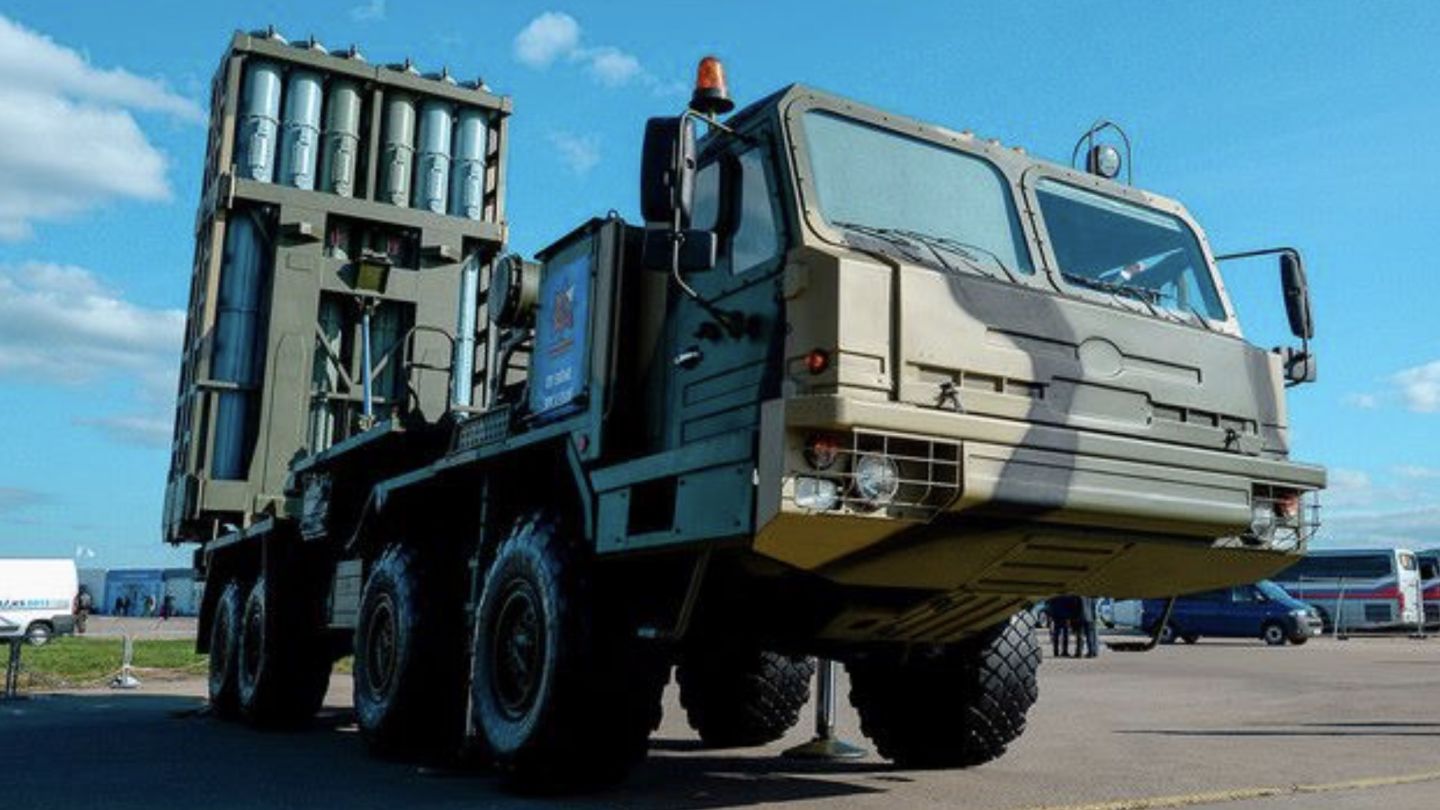
S-350 Surface to Air Missile System
Russia’s latest air defence system, the S-350 Vityaz surface to air missile platform, reportedly entered mass production on April 12th 2019. Deputy defense minister Alexey Krivoruchko reported that the first mass produced batches of the missile system were expected to enter service in 2019, after the S-350 performed well during testing in March. The ambitious weapons system’s only foreign analogue is the South Korean KM-SAM (Cheolmae-2), which entered mass production in 2015 was was jointly developed by Russian defence producer Almaz Antey - integrating advanced technologies developed for both the S-350 and the longer ranged S-400. The S-350 will reportedly replace remaining S-300PS systems in Russian service - ageing variants of the air defence system which were first inducted into service in 1983, retain a modest 60km engagement range and are limited in the number of targets they can engage.
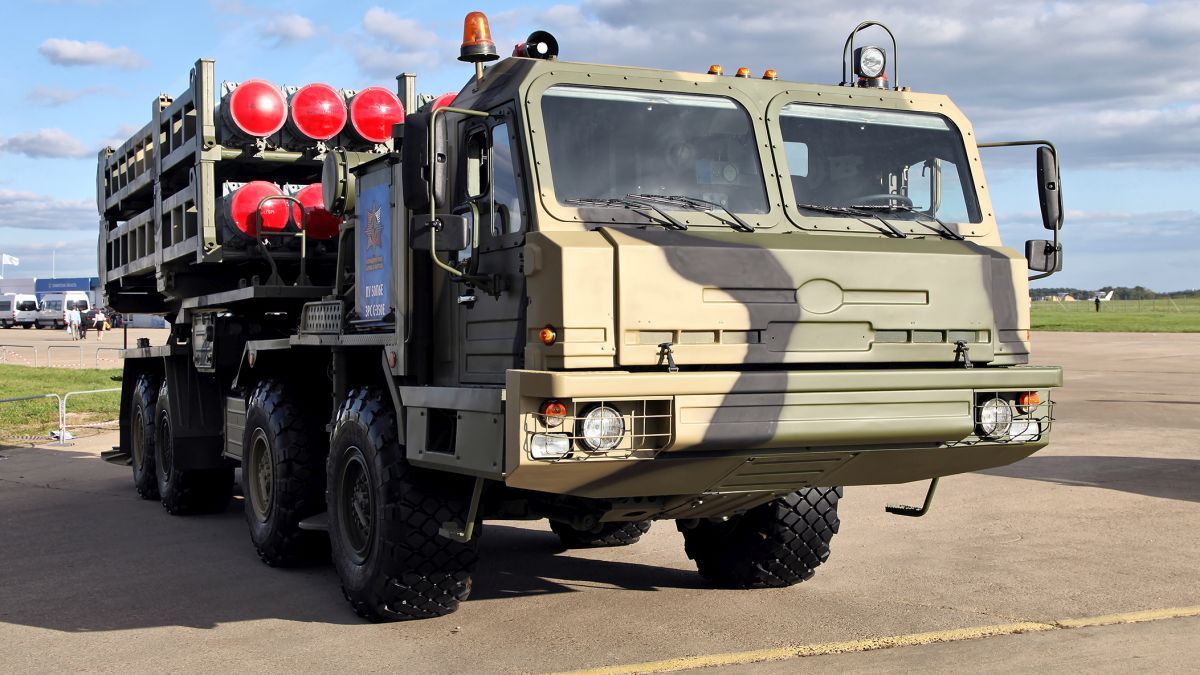
The S-350 represents part of a new generation of Russian air defence systems alongside the S-500 and BuK-M3. The missile system is intended to work in close conjunction with S-300V4, S-400 and S-500 long range platforms, all three of which are expected to be priority targets in the opening stages of an enemy assault on Russia's air defence network, and is intended to protect these high value systems from missile attacks by intercepting potential threats. Each battery carries 12 surface to air missiles, 50% more than its Korean counterpart, which include the 9M96E2 with a 120km range, the 9M96E with a 60km range and the 9M100 with a 10km range. The heaviest missile, the 9M96E2, is capable of intercepting targets at low hypersonic speeds of little over Mach 5. The S-350 thus provides three-tier multi layered intermediate and short range defence for longer range multi layered air defence systems, providing much valued additional survivability to Russia’s most critical long range platforms. With a deployment time of just five minutes, the platform is also highly mobile which both ensures its own survivability and allows it to better support high value targets - which in the case of the S-300V4 and S-400 are themselves also highly mobile.
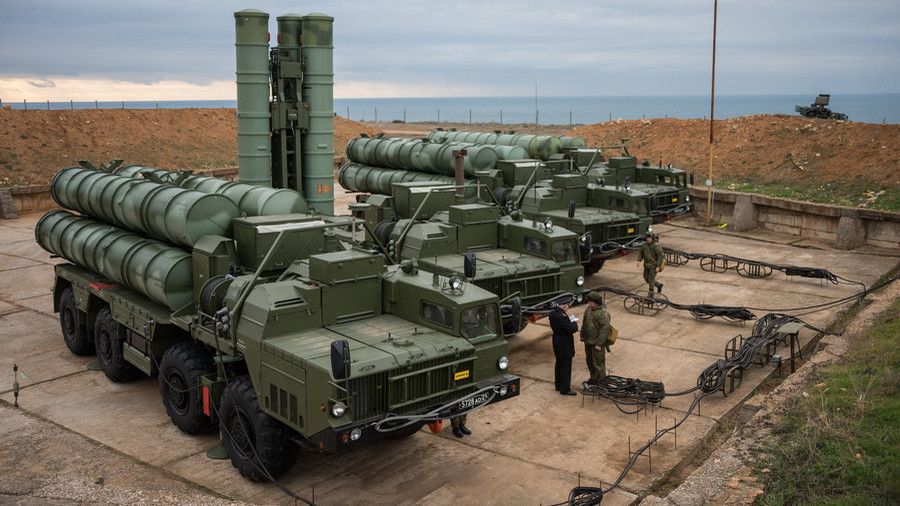
The S-350's entry into service and phasing out of the S-300PS will complete Russia's comprehensive post-Cold War modernisation of its air defences with the retirement of the last Soviet built S-300 variant in favour of newer systems. The S-300PS continues to be operated by a number of former Warsaw Pact members and Soviet successor states including Armenia, Kazakhstan and Ukraine, with Bulgaria operating the even older S-300P. The missile system is likely to see demand from export clients for higher end Russian missile systems to serve in a complementary role, including Algeria, Belarus and China which currently deploy the S-400 and Egypt which deploys the S-300V4. The S-350 could also potentially see a deployment to Syria and Kaliningrad to protect Russian S-400 and S-300V4 batteries stationed there.
