
What Reports of a ‘Plasma Stealth’ System Could Mean for Russia’s Zircon Hypersonic Cruise Missile
Military Watch Magazine Editorial Staff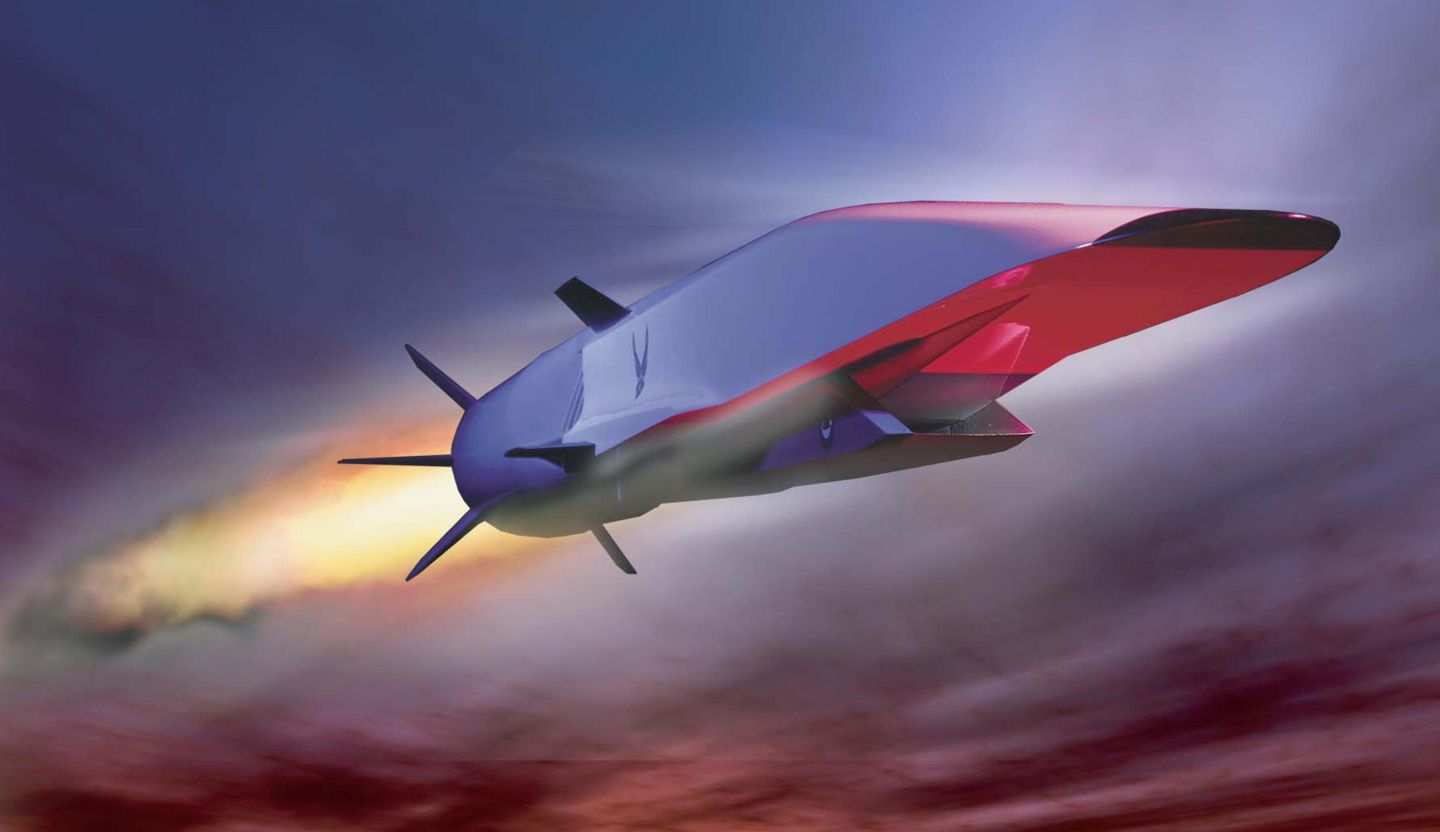
Hypersonic Cruise Missile - artwork
With the revolutionary Zircon hypersonic cruise missile confirmed for entry into service in the Russian Navy by the end of 2019, a number of questions have been raised regarding its capabilities. No prior cruise missile has been capable of approaching hypersonic speeds, and the platform’s range and manoeuvrability will reportedly also be unrivalled with the ability to strike warships over 1000km away. The missile’s speed would allow it to reach targets at such extreme distances in little over five minutes. While many details of the Zircon’s performance have been confirmed, most notably by President Vladimir Putin who elaborated on the platform's performance in early 2019, other aspects of the design have been reported by reputable sources but are yet to be officially confirmed. Perhaps the most notable of these are new ‘plasma stealth’ capabilities allowing the platform to evade radar detection - which would enhance the missile’s already unrivalled survivability.
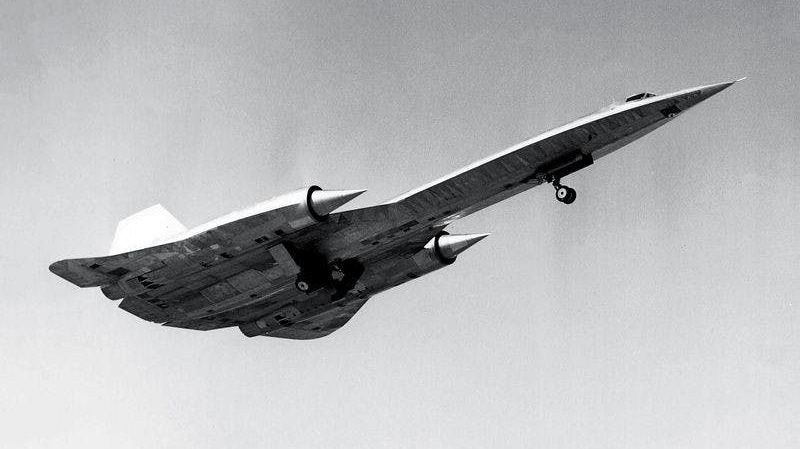
Plasma stealth technology’s most notable prior application was on the CIA’s A-12 surveillance aircraft. The Mach 3 platform was the Western Bloc’s most capable surveillance jet during the 1960s, and though its reliability record was poor with frequent crashes it proved capable of evading advanced air defence systems deployed at the time. The aircraft made use of a cesium-laced fuel additive to significantly reduce its engine’s radar signature. It did so by creating an ionizing cloud behind the aircraft to help conceal its entire rear aspect from radar waves - a technology which was particularly useful for such fast aircraft. The Zircon missile itself, although three times as fast as the A-12, could benefit from application of similar technologies - if not in the initial batches inducted into service then possibly on later variants. Russia’s Potential adversaries currently lack an air defence system capable of neutralising even Mach 3 cruise missiles, which combined with the Zircon’s speed of around Mach 9, its advanced electronic warfare countermeasures and its high manoeuvrability will be sufficient ensure its survivability. Plasma stealth however could be relatively cost effective to deploy, and may be useful in future as the Western Bloc increases investment in more capable anti missile defences.
