
World’s First Hypersonic Cruise Missiles Incoming: Putin Confirms Russian Navy to Deploy Zircon Missiles By Year’s End
Military Watch Magazine Editorial Staff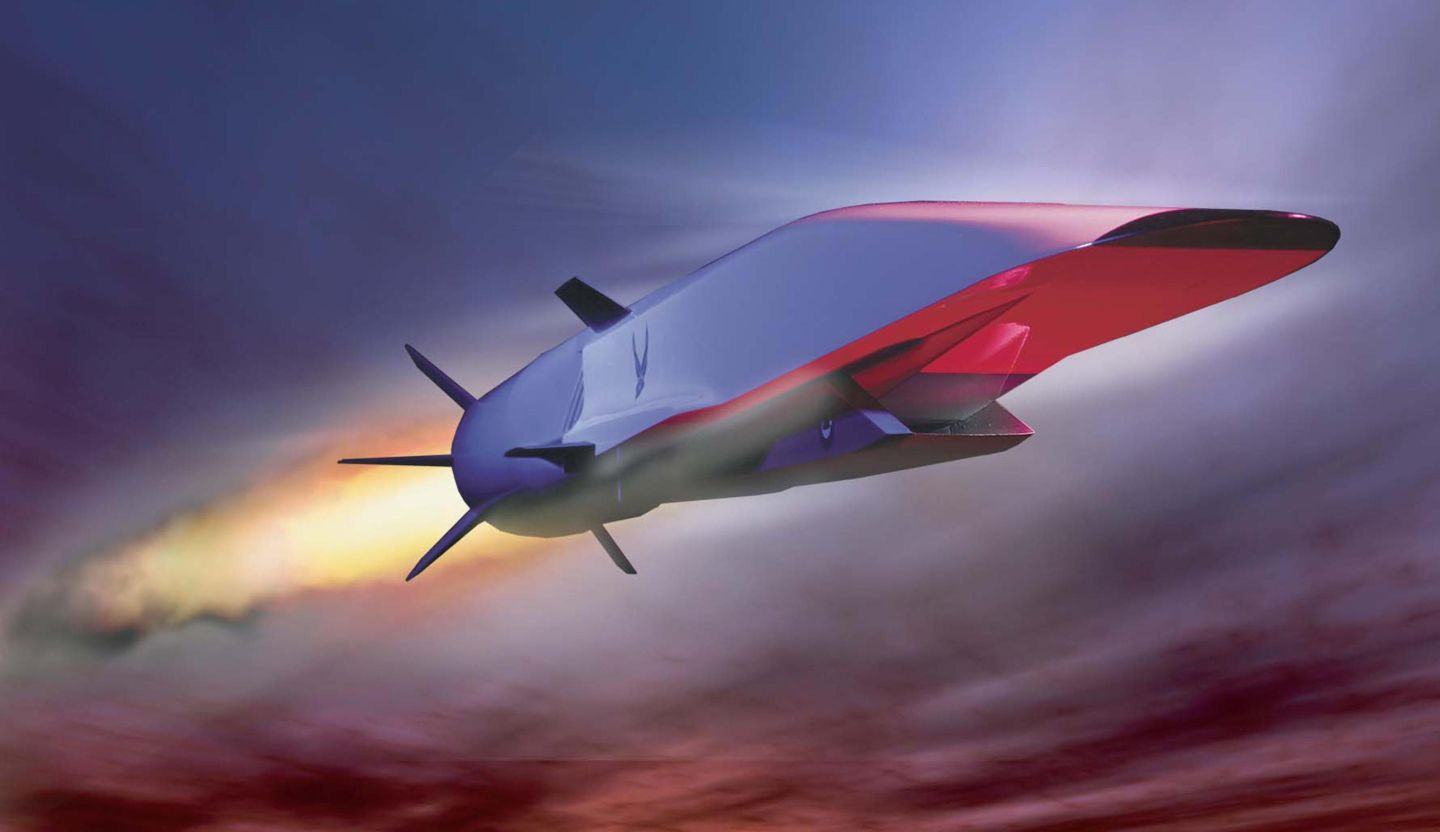
Cruise Missile - artwork
Russian President Vladimir Putin has confirmed that his country's Navy is set to deploy the world’s first class of hypersonic cruise missile, the Zircon, by the end of 2019. The announcement was made during an inspection of the new corvette Gremyashchiy at a shipyard in the Kaliningrad region. The warship is expected to enter service in December 2019, and while previously reported to deploy the older 3M-54 Kalibr cruise missiles it was later confirmed that the warship was also compatible with the Zircon missile. President Putin stated regarding the launch of the new ship: “the Zircons will certainly be there.” While the 3M-54 is already able to outperform most competition, with a speed and range of approximately Mach 3 and 700km and a sea-skimming trajectory making it near impossible to intercept, the Zircon will provide Russian warships - even those as light as the Gremyashchiy at just 2,200 tons - with an overwhelming advantage over enemy warships. The missile is expected to have a speed exceeding Mach 8 and a range of over 1000km - sufficient to tear even the largest warships in half with a single direct hit well beyond the retaliation range of the vast majority of adversaries.
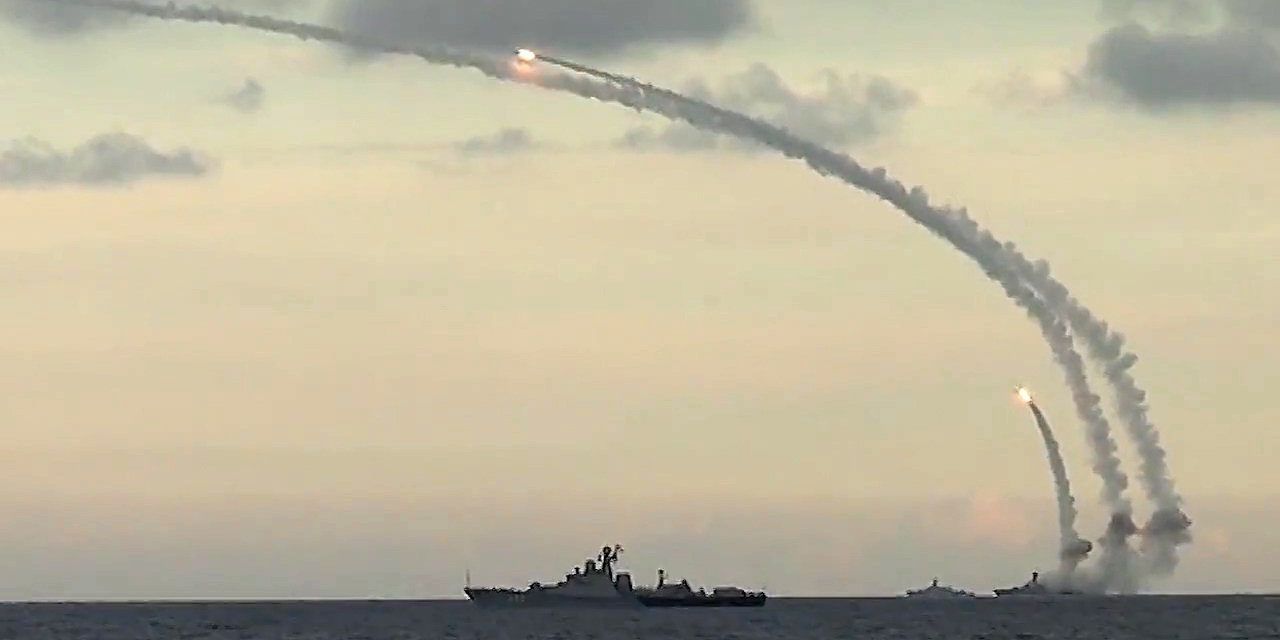
The Zircon is set to equip much of Russia’s fleet including attack submarines such as the Kilo Class and newly refurbished Kirov Class battlecruisers - the latter fielding these alongside hypersonic air defences and having the potential to deploy over 100 of these missiles should they be outfitted as dedicated ship hunters. Warships fielded by the United States and its allies currently rely on the Harpoon missile for ship hunting duties - the most capable variant of which is expected to enter service in the early 2020s with a range of approximately 300km. The missile is subsonic with a speed of approximately Mach 0.8, and although it will field more capable electronic warfare countermeasures than its predecessors it lacks the extreme manoeuvrability of the Zircon. China’s People’s Liberation Army Navy for its part currently fields the YJ-100 with a range comparable to the Zircon - although it is considerably slower and less manoeuvrable. The newer YJ-XX is expected to enter service in the early 2020s however, and will have a similar performance to its Russian counterpart. The new Chinese missile is suspected of having benefited from transfers of technologies from Russia’s own defence sector, the sales of which helped subsidise development costs on the Zircon missile program. It remains uncertain if the missile itself will be exported however, with China, Vietnam and others deploying warships such as the Advanced Kilo Class submarine which are compatible with the new missile. The possibility remains that a downgraded variant will be developed for export.
