
Republic of China Army Relocating ATACMS Ballistic Missile Live Fire Exercises to the United States
Military Watch Magazine Editorial Staff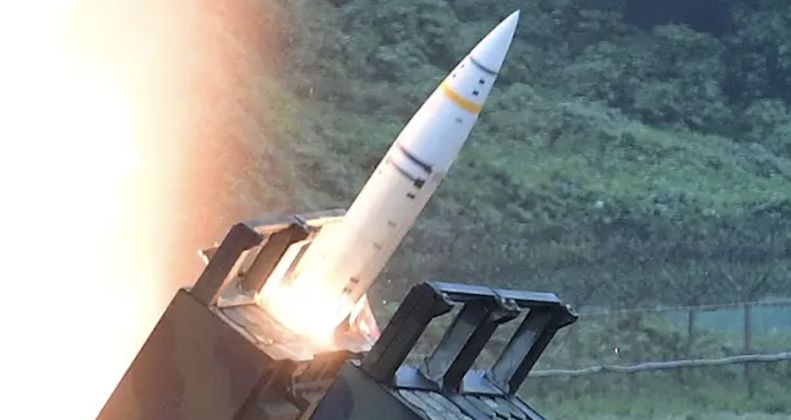
ATACMS Ballistic Missile Launch
Senior officers in the Republic of China Army have announced plans to move live fire ballistic missile exercises planned to test new ATACMS ballistic missiles to the United States, after these were previously scheduled to be located at Jiupeng Air Base on Taiwan Island. The ATACMS’ 300 kilometre range and flight characteristics have raised concerns that conducting live-fire exercises east of the island could easily allow the Chinese People’s Liberation Army, which is based on the Chinese mainland, to collect intelligence on its flight characteristics, including how it conducts manoeuvres, to better counter it. The extent of the threat to the missile type’s viability has been questioned, however, on the basis that the missile has already been extensively combat tested in the Ukrainian theatre over several years. There Russian forces are almost certain to have already collected extensive intelligence, and very likely to have shared this with strategic partners such as China. The newer PrSM ballistic missile developed to succeed the ATACMS has also been combat tested by the U.S. Army against Iran, albeit at the cost of rapidly depleting almost the entire arsenal.
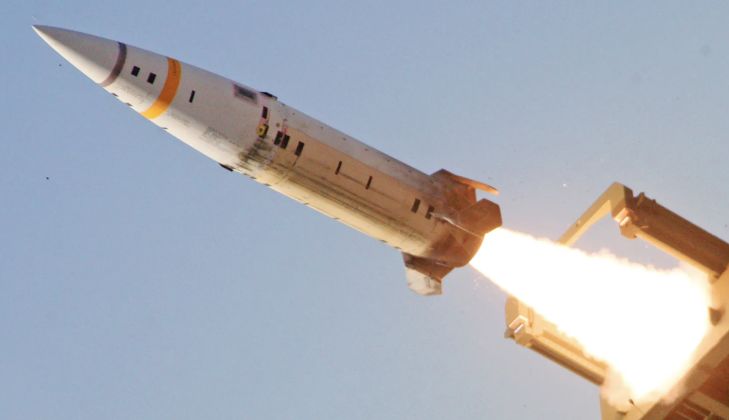
The Republic of China remain in a state of civil war with the People’s Republic of China, as the Chinese governments in both Taipei and Beijing both claim to be the sole legitimate governments of the Chinese nation. Although the United States recognises only Beijing’s claim, it has significantly increased arms supplies to Taipei as part of its efforts to strategically contain mainland China, while also financing its military buildup with billions of dollars in aid. The Republic of China Army has already received 64 ATACMS, which are launched from HIMARS rocket artillery systems, each launcher of which can accommodate a single missile. Although gaining less media attention than sales of more costly and complex armaments such as F-16 fighters and M1A2 Abrams tanks, the sale of ballistic missiles is considered one of the most provocative developments and likely the most strategically significant.
The sale of ballistic missiles by the United States to equip the Republic of China Army gained greater geopolitical significance due to the U.S. Armed Forces’ obtaining of new authority to coordinate the client’s arsenals, following the establishment of a Joint Firepower Coordination Centre in late January. U.S. personnel permanently stationed at the facility in Taipei oversee planning and potential use of local missile forces, including target selection, allowing the United States to effectively strike mainland Chinese targets by proxy. The extent of the threat faced by the Chinese mainland subsequently grew when it was confirmed in February that plans were under consideration to deploy HIMARS to the islands of Penghu and Dongyin. Dongyin, the northernmost islands of the Matsu archipelago in the East China Sea, less than 10 kilometres from the mainland coast of China. The systems deployed to these locations are reportedly intended to integrate ATACMS ballistic missiles, placing key strategic targets on the mainland at risk.
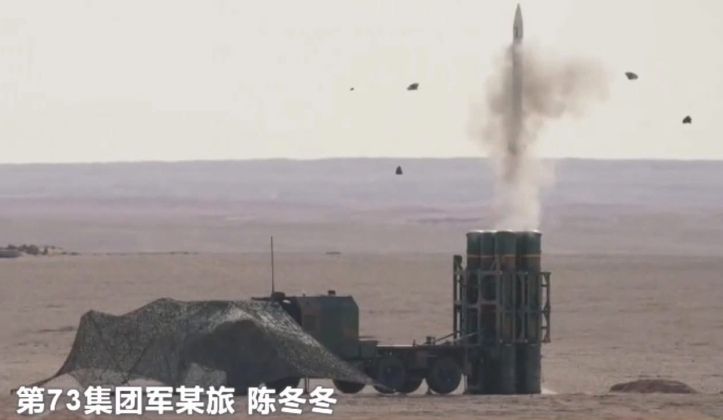
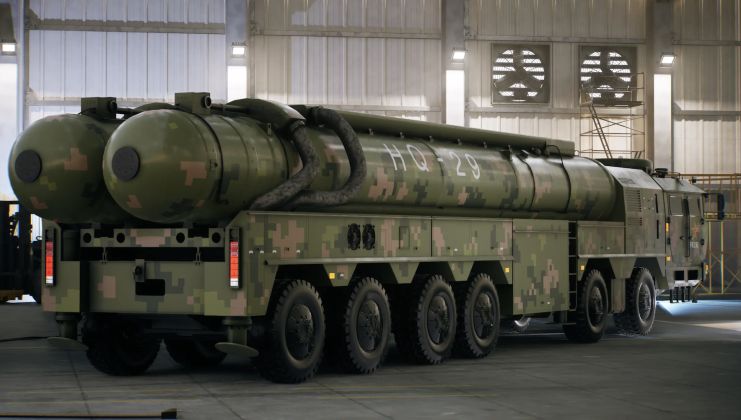
On March 5 Vice Chairman of the Forward Auxiliary Association Li Wenzhong contrasted the cost effectiveness of ATACMS and their high asymmetric value, with investments in assets such as M1A2 tanks that were seen to be built to fight wars from a previous era with little ability to impact the balance of power in the Taiwan Strait. Reports by Taipei-based media outlets have indicated that the Defence Ministry’s decision to increase its procurements of HIMARS systems to a total of 111 units was taken specifically with the decision to deploy them to forward islands in mind. Responding to this emerging threat, the Chinese People’s Liberation Army based on the mainland has prioritised the deployment of advanced new generations of anti-ballistic missile systems near the Taiwan Strait, including equipping the 73rd Group Arm stationed in Fujian with the first new HQ-16F long range air defence systems. The mainland’s ballistic missile defence capabilities are widely considered the most formidable in the world, with new systems such as the HQ-19 and HQ-29 continuing to be brought into service to add more layers to its defensive network.
