
U.S. Pledges $2 Billion Military Aid to Republic of China Armed Forces to Fight Beijing
Military Watch Magazine Editorial Staff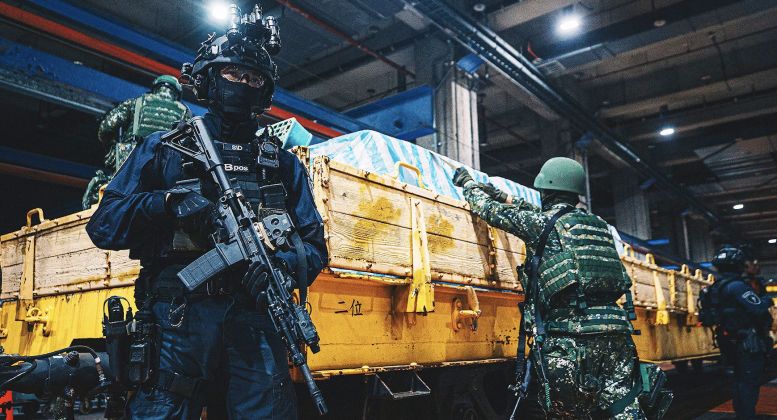
Republic of China Army Personnel in Taipei Subway During 2025 Urban Warfare Drill
RoCAF
The United States has pledged to provide $2 billion in military support to the Republic of China Armed Forces to accelerate modernisation efforts, with funding prioritising the rapid delivery of operational capabilities. Aid will reportedly prioritise the strengthening air defense, anti-ship strike, and battlefield awareness, to support an anti-access area denial strategy built around survivable, mobile, and distributed systems. The aid was pledged under the U.S. Department of War’s Fiscal Year 2027 budget request, which has seen major surge in defence spending to $1.45 trillion, in large part due to the need to replenish losses after five weeks of U.S.-Iranian hostilities from February 28.
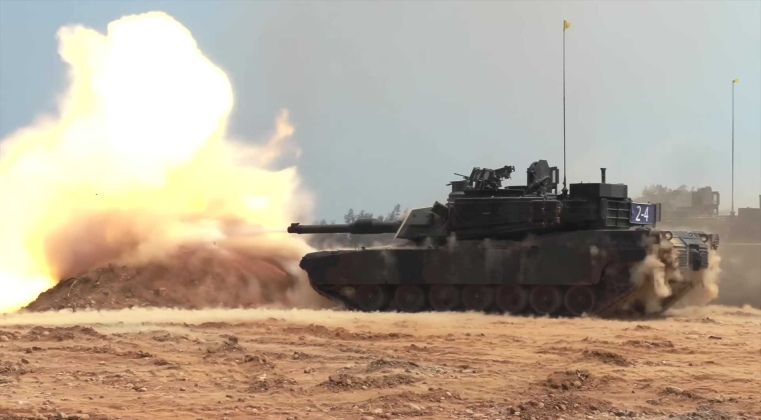
The new aid package supports a transition away from Foreign Military Sales timelines, which have ranged from 5 to more than 10 years, toward faster delivery channels managed by the Pentagon directly, reflecting the Taiwan Strait’s priority status for Washington. These delays have caused very considerable controversy in Taipei, with data released in December 2025 confirming that outstanding backlogs of undelivered U.S. equipment had reached over $21.45 billion. The new model for the management of arms transfers reflects broader trends towards the United States taking a much more active role in the Republic of China’s security, with a prior milestone being the establishment of a Joint Firepower Coordination Centre in Taipei in January 2026, at which U.S. personnel can oversee planning and potential use of local missile forces, including target selection.
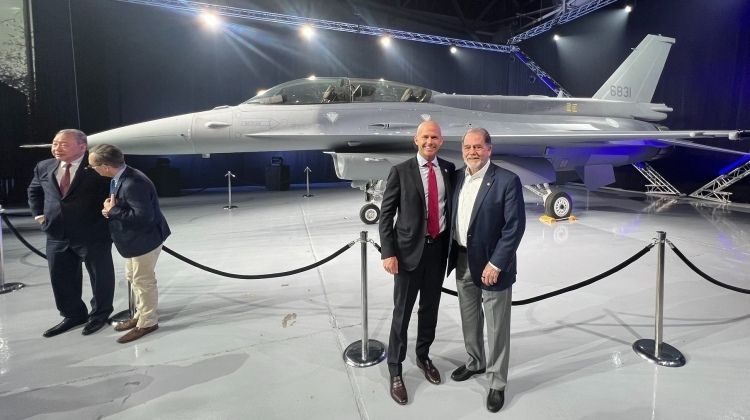
The Republic of China based in Taipei is in a state of civil war with the People’s Republic of China based in Beijing, with the Taipei government having no significant international recognition and no presence at the United Nations, but being strongly supported by the U.S., Japan and other Western Bloc states as part of a broader Cold War effort against Beijing. Taipei has very considerably increased defence spending over the past decade, which has reached 3.32 percent of GDP, and is reported by local sources to be expected to reach 7 percent should the strongly Western-aligned Democratic Progressive Party remain in power. This is expected to finance continued large scale procurements of military equipment from the United States, including a possible followup order for fighter aircraft after the $8.2 billion order for F-16 Block 70 fighters is belatedly completed.
