
North Korea Urgently Wants to Modernise its Air Force: How the Fleet Can Be Improved in the 2020s - Part Two
Military Watch Magazine Editorial Staff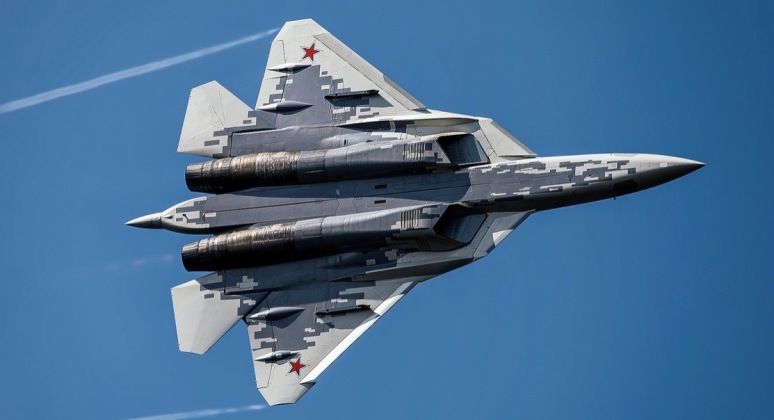
Russian Su-57 Next Generation Fighter
Depending on the future size of the North Korean defence budget, and how much it is willing to invest in fleet modernisation, there are a number of both heavier and lighter alternative to the J-10C and MiG-35 which could also be chosen. One key constraint on possible investment is that the country is likely to prioritise acquisition of more advanced air defence systems, and investment in domestic defence industries, above the import of foreign fighter aircraft. Further development of more advanced successors to the KN-06 system, the first of which was seen in October 2020, or even acquisition of high end Russian surface to air missile systems, are all potentially more cost effective alternatives to acquiring new fighter jets. Prioritising these alternative acquisitions would minimise the availably of funds for new aircraft. Should North Korea seek to acquire cheaper fighter classes, possibly to replace its MiG-23 and MiG-21 jets, some promising options include more MiG-29 fighters from Russia, possibly of the advanced MiG-29M variant, or Chinese J-10A/B or JF-17 fighters.
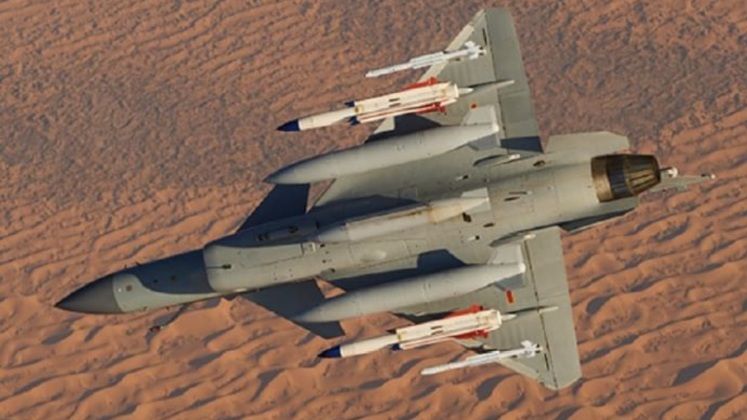
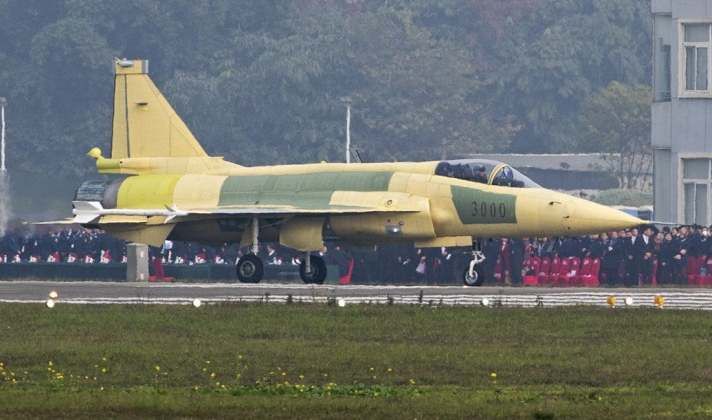
China is currently producing the J-10C at a rapid rate, and is expected to seek to phase its older J-10A and J-10B platforms out of service - despite the fact that these jets have only served for 10-15 years. The aircraft could be marketed to North Korea second hand at a very low cost, or possibly even provided as military aid with the Korean Air Force expected to be a continued customer for Chinese spare parts, maintenance equipment and munitions should the be the case. The JF-17 Block 2 integrates many of the same technologies as the J-10B, but is lighter, cheaper to operate and has much lower maintenance requirements. This and its successor the JF-17 Block 3, which is a much more modern design with an AESA radar and access to more sophisticated munition types, are potentially attractive options for a more conservative Korean modernisation program.
Should North Korea seek to invest in higher end combat jets, even in small numbers, then there are a number of options primarily offered by Russia. Although China produces multiple very high end fighter classes, including the J-20 next generation heavyweight platform which was the first non-American stealth fighter to enter service anywhere in the world, these have not been offered for export meaning the J-10C remains the most advanced and capable Chinese fighter offered for export. South Korean intelligence reports indicate that North Korea previously showed an interest in acquiring Russian Su-35 ‘4++ generation’ heavyweight fighters in the mid 2010s, which would provided an effective counter to American F-22 fighters and to South Korean F-15K and F-35A jets. The Su-35 is the most capable Russian fighter in air to air combat today, and although likely unaffordable in large numbers due to its high operational cost, at least for now, a small or medium sized contingent would likely be affordable for North Korea especially of such an order is placed later in the 2020s. Another possible option is acquisition of the Su-57 fighter, the Su-35’s successor, which entered mass production in 2019 but has yet to join the Russian Air Force. Although costly, should North Korea be seeking a very high end fighter in the latter half of the 2020s a purchase of these jets remains a possibility. The stealthy next generation platform benefits from a range of new features, from laser defence systems and artificial intelligence to deployment of hypersonic ballistic missiles, and is highly capable in strike, anti shipping and air superiority roles.
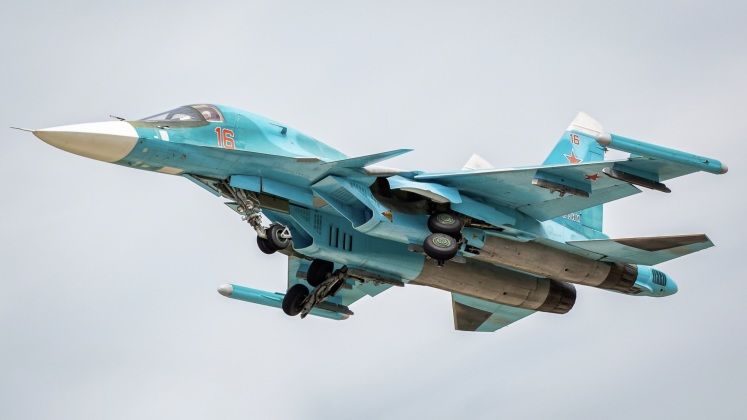
Alongside the fighter fleet, North Korea is also likely to seek to modernise its strike fleet and replace its ll-28 bombers and MiG-19 attack jets - although this could be significant cheaper. A leading potential option would be to acquire either Su-24M platforms from Russia or JH-7 platforms from China second hand, with the former already being phased out of service and available at a low cost. Both of these platforms can operate a wide range of precision guided weapons, and far surpass the capabilities of the Il-28 which North Korea is the world’s only remaining operator of. The Russian Su-34 strike fighter, a more modern platform currently in production, could also be acquired as a replacement, and is considerably cheaper than its air superiority oriented counterpart the Su-35. The Su-34 is widely considered the world’s leading strike fighter, and deploys a very wide range of advanced air to ground and anti ship munitions which would allow the Korean fleet to strike targets across Japan and Guam and to intercept ships across much of the Western Pacific. It also remains possible that Korea will forego investment in dedicated strike fighters, and will instead seek to field more versatile platforms such as the Su-57 or J-10C which can operate in both air superiority and strike roles as well as anti-shipping.
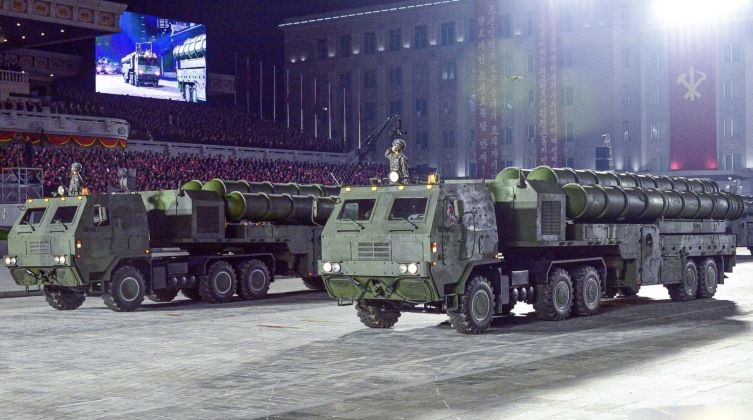
Ultimately North Korea’s domestic defence sector has succeeded in providing an effective deterrent capability, and its ground based hypersonic ballistic missiles such as the KN-23 are now among the most survivable in the world with short launch times, mobile launch vehicles and very high in-flight manoeuvrability allowing them to reliably strike targets such as airfields and air defence systems. This provides an asymmetric means to erode an enemy’s aerial warfare capability. There is a significant chance that, in the event of a war on the peninsula, U.S. and allied airbases across Korea and much of Japan will be put out of commission very quickly - which combined with North Korea’s investment in a powerful air defence network can provide effective security against potential attacks. North Korea’s bomber and strike fleets may be obsolete, by domestically developed ballistic missiles, attack submarines and even superheavy artillery systems can largely compensate for this by striking targets at ranges which would have been considered impossible just a few years prior. These include two of the world’s three longest ranged rocket artillery systems, which threaten airfields across South Korea including those hosting costly F-15K and F-35A fighter jets. This being the case, investment in modernisation of the Air Force may involve commissioning of just one or two elite new squadrons, possibly comprised of Su-57 or even the more modest J-10C fighters, for a limited number of specialised missions. Such an approach would allow North Korea to invest more in modernising its economy and further improving its domestic defence sector, while also bridging the qualitative disadvantage with its neighbours.
Continued from part one
