
North Korea Urgently Wants to Modernise its Air Force: How the Fleet Can Be Improved in the 2020s - Part One
Military Watch Magazine Editorial Staff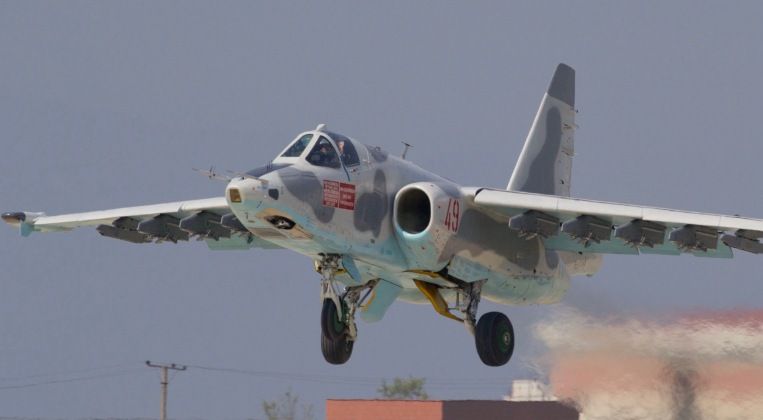
North Korean Su-25 Attack Jet
North Korea has had considerable success modernising its armed forces over the past 15 years, producing several hundred new Pokpung Ho main battle tanks and modernising its older Chonma Ho platforms while phasing Soviet-era armour out of frontline service, which will be followed shortly by a recently unveiled new tank class. The country today fields a wide range of new tactical and strategic weapons from the Gorae Class ballistic missile submarine and Kumsong-3 anti-ship cruise missile system to KN-23 hypersonic tactical ballistic missiles and two very modern new long range air defence systems. The notable exception to this overall modernisation drive has been the Air Force, which has been unable to import new combat aircraft for over 20 years and finds itself technologically vastly outmatched by its neighbours. North Korean leader Chairman Kim Jong Un, a known aviation enthusiast, has taken a personal interest in modernisation of the country’s Air Force and in 2019 issued orders for development of more advanced weaponry for the service. While the country’s military industrial base does produce aerial warfare systems, including not only surface to air missiles but also transport planes for special forces, drones, and a range of air to ground missiles and bombs which have also been exported, it will need to rely on foreign suppliers should it seek to acquire high end fighter aircraft - something it is expected to strongly pursue over the next decade.
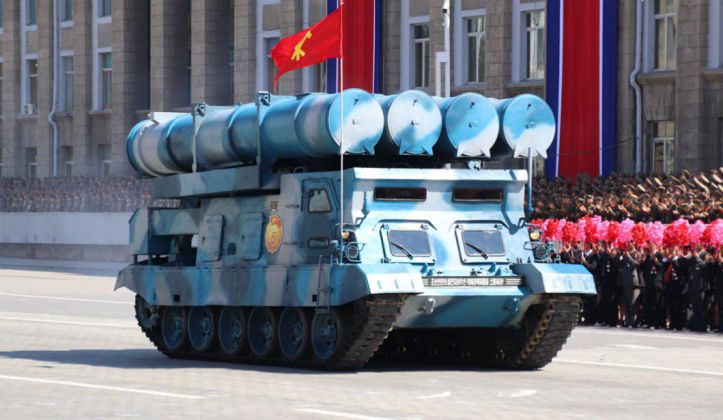
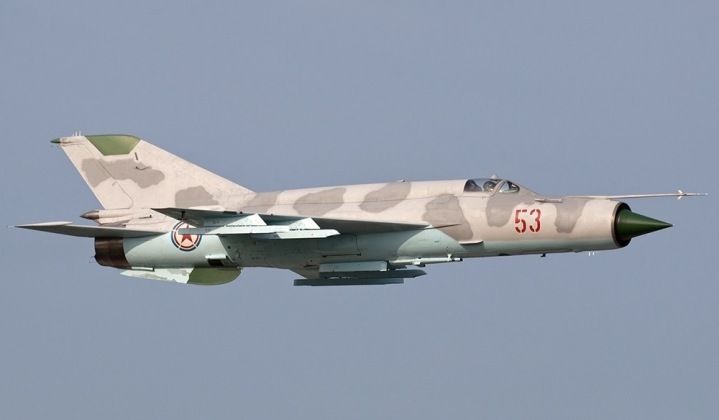
North Korea has in the past produced MiG-29 fighter jets under license after purchasing a production line for the aircraft from Russia in the 1990s, although it remains uncertain whether this line remains operational today. The small line could complete manufacturing of 5 fighters every two years with input of several parts from Russia. The Korean fleet is currently thought to be comprised of two units of MiG-29 fourth generation fighters between them fielding around 60 jets - with these being the country’s only class of modern fighter. Other units are comprised of MiG-21BiS and MiG-23 third generation fighters, with some older second generation MiG-21 variants also still operational. The country’s ground attack fleet is even older, and aside from a small number of relatively modern Su-25 attack jets it is comprised of ageing MiG-19 and Il-28 jets. Although Korean MiG-29s are thought to have been modernised, and integrate R-27ER missiles with a formidable 130km range and new sensors and electronic warfare countermeasures, the bulk of the Korean fleet has an underwhelming capability today which will force the country to rely very heavily on ground based air defences in the event of a major war. With North Korea enjoying considerable rates of economic growth however, and with these expected to continue into the decade, the country will be in a much better position to acquire new combat aircraft either from its traditional supplier Russia, or from China which has emerged as a world leader in military aviation.
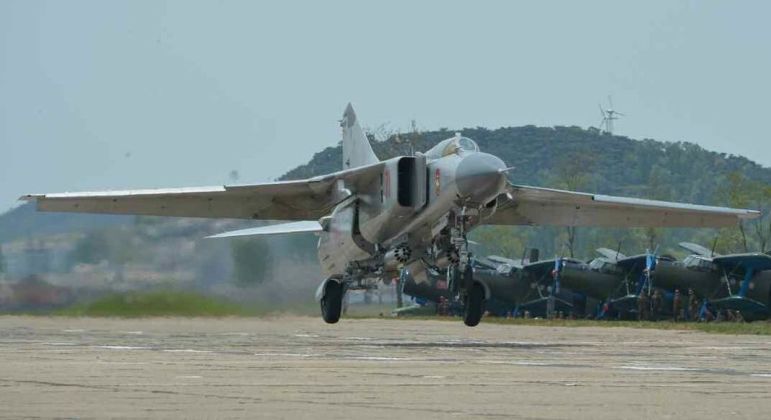
North Korea has a number of options to modernise its fighter fleet. One of the least costly, which several analysts speculate could have been pursued already, would be to modernise the MiG-21BiS and MiG-23 fighters to a fourth generation standard with R-27ER missiles and improved sensors and electronic warfare systems - similarly to the programs pursued by India and Angola for the respective jets. Continued production of the MiG-29 domestically to replace older MiG-21 variants is also a possibility, as is upgrading these fighters to a more advanced standard with Russian assistance. Aside from these options however, other options for upgrading the Korean fleet will require more overt violations of the arms embargo imposed by the United Nations Security Council. The possibility of a rolling back of these under some kind of deal with the Biden administration, or of a breakdown of the sanctions regime in the next ten years due to rising tensions between the Western Bloc, China and Russia, means it cannot be ruled out that North Korea will gain access to the latest combat jets on Russian and Chinese markets.
North Korea is likely to seek to replace all the combat aircraft in its fleet today - possibly including the MiG-29 if not now then in the early 2030s. A leading candidate to modernise its fleet is the MiG-35 - a ‘4++ generation’ medium weight fighter which s a direct successor to the MiG-29 and uses much of the same maintenance infrastructure. It is possible that a similar deal of license manufacturing some components could also be signed, following on from Korean licensed production of the MiG-29. The MiG-35 entered service in the Russian Air Force in 2019 and is currently the most advanced fighter class in Russian service. It integrates a range of new technologies including an AESA radar and limited applications of artificial intelligence. Although North Korea has long sought to assert its independence from neighbouring China by investing primarily in Russian hardware, the Chinese J-10C lightweight ‘4++ generation’ fighter is a leading competitor to the MiG-35. The J-10C is not only cheaper, both to acquire and to operate, but also benefits from a range of technologies the Russian jet lacks including stealth coatings and AESA radar guided PL-15 missiles - which have a far superior performance to missiles currently used to equip the MiG-35.
Continued in Part Two
