
J-10C vs. MiG-35: Why Tehran Might Choose the Chinese Firebird Over the Russian Fulcrum For Fleet Modernisation
Military Watch Magazine Editorial Staff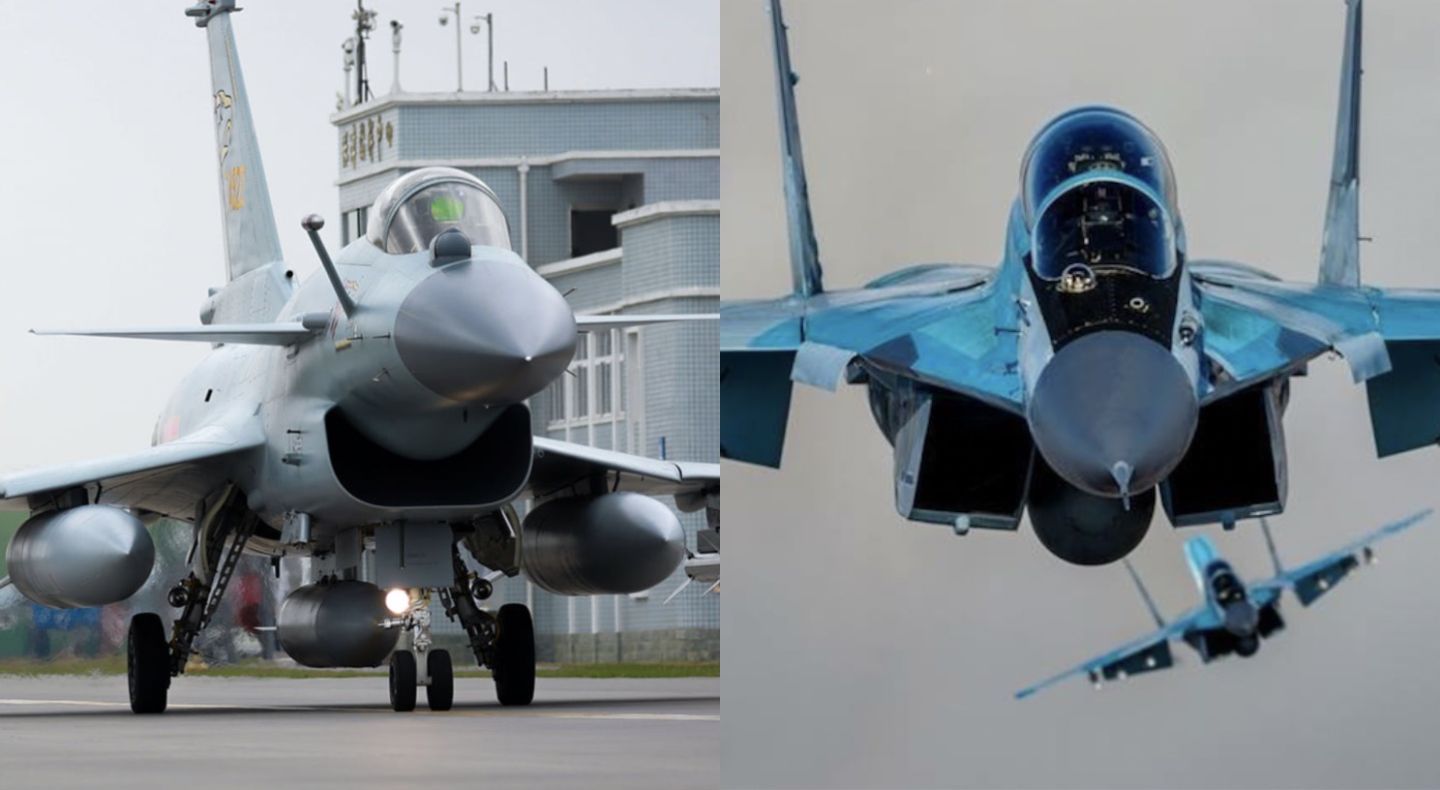
J-10C (left) and MiG-35 '4++ Generation' Fighters
With the United Nations’ arms embargo on Iran set to expire in October 2020 under the terms of the Joint Comprehensive Plan of Action (JCPOA) nuclear deal, which has prevented the country from purchasing a range of offensive weapons from warships to fighter jets for close to a decade, it is widely expected that Tehran will announce orders for at least one new class of fighter jet by the end of the year or early in 2021. While Iran previously showed interest in the Russian Su-30 heavyweight design in the early-mid 2010s, a shifting regional balance of power and the emergence of more advanced new fighter classes since could lead the country’s armed forces to reconsider.
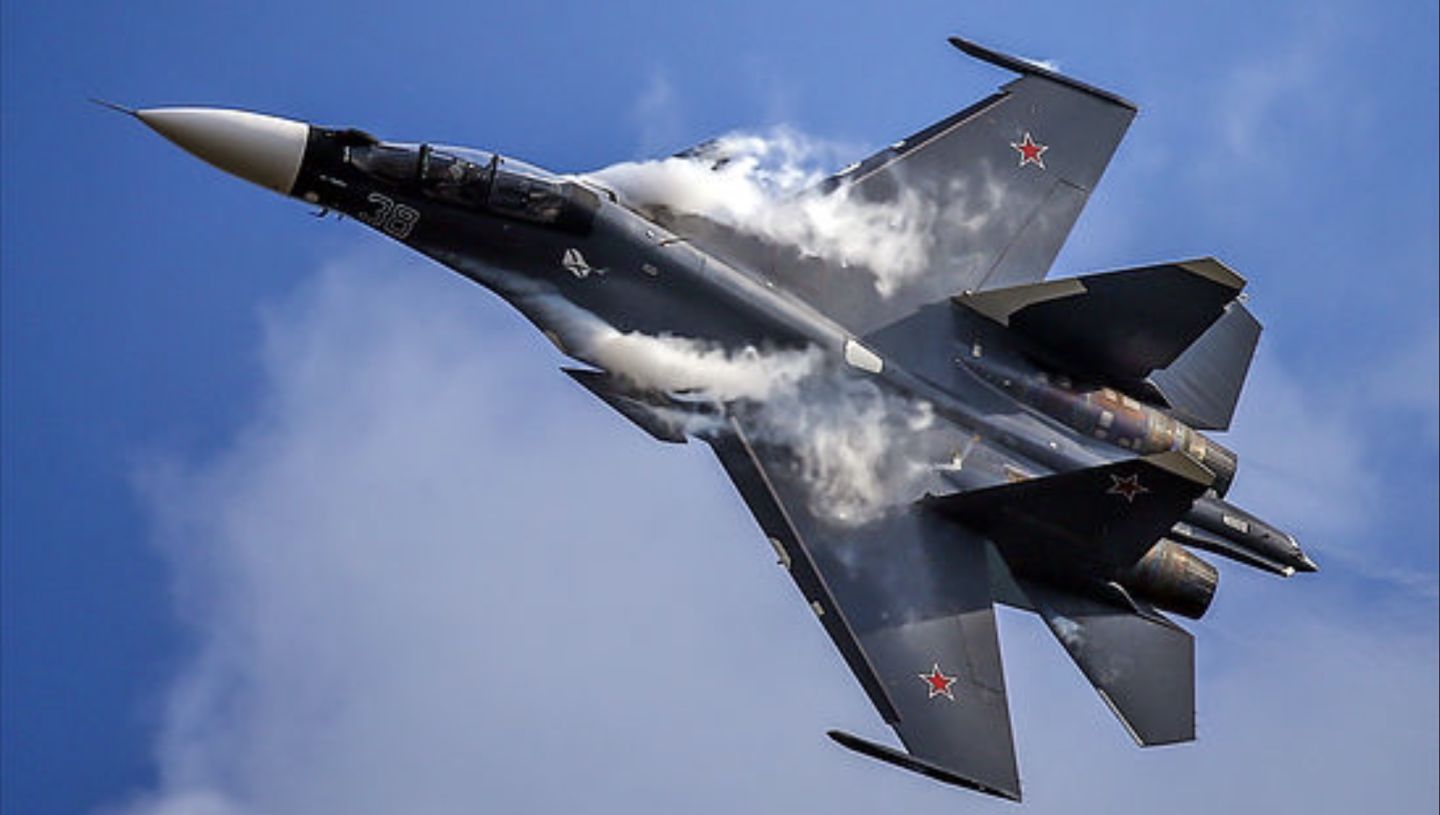
The Su-30 has a long range and high endurance which would allow Iran to project power across the Middle East and beyond, much as the Su-57 does which is considered another possible frontrunner for the country to upgrade its fleet. However, Iran may look to acquire lighter fighter jets with shorter ranges which are more sophisticated than the Su-30 but have a lower operational cost. It has also been speculated that Iran could seek to purchase two complementary fighter classes - one lightweight and one heavyweight platform. The leading contenders to provide Iran with a light or medium weight fighter are the Russian twin engine MiG-35 and the Chinese single engine J-10C - two ‘4++ generation’ aircraft which entered service in June 2019 and March 2018 respectively.
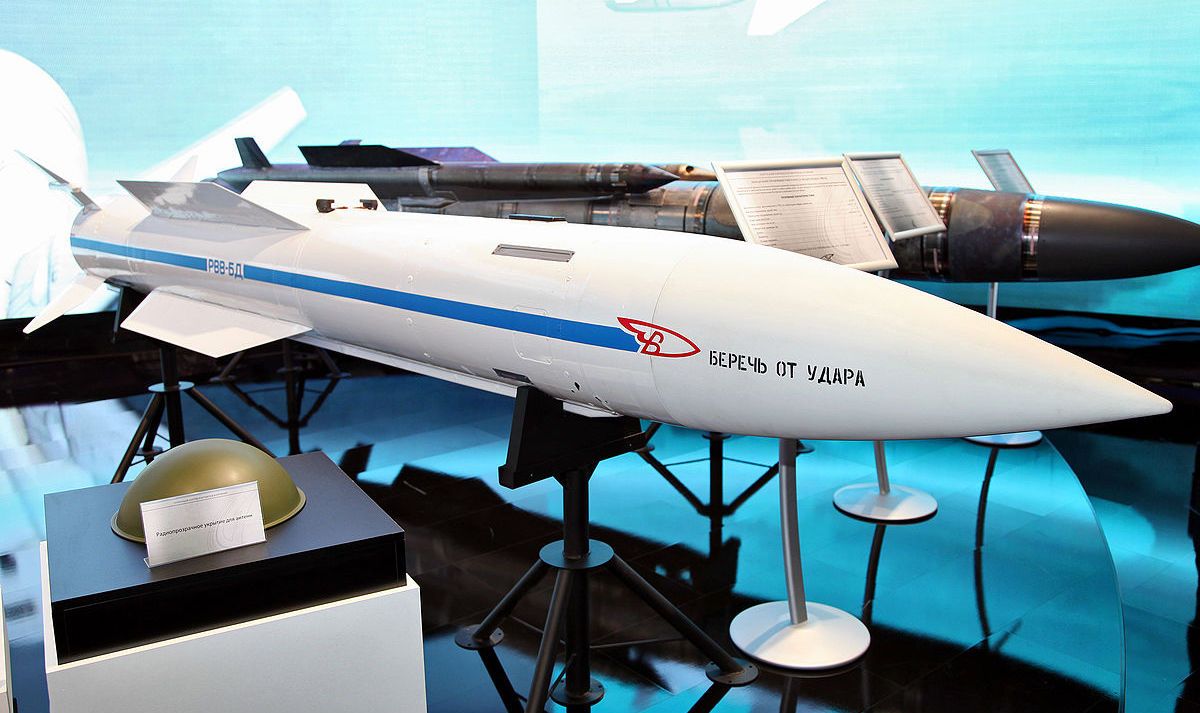
Comparing the two aircraft, the MiG-35 appears to be the more capable fighter. The platform is heavier, carries a larger radar, is more manoeuvrable, and can operate at higher speeds and altitudes. The Russian fighter relies on R-37M hypersonic air to air missiles with a 400km engagement range, while the J-10C’s PL-15 missile has an estimated maximum range of up to 300km and is slightly slower. Both aircraft make use of AESA radars and three dimension thrust vectoring engines, both can integrate easily with Iran’s existing air defence network and fighter fleet and Iran has experience operating fighters from both countries. The J-10, for its part, is cheaper to operate and benefits from limited applications of stealth technologies, but has a smaller radar and lower endurance.
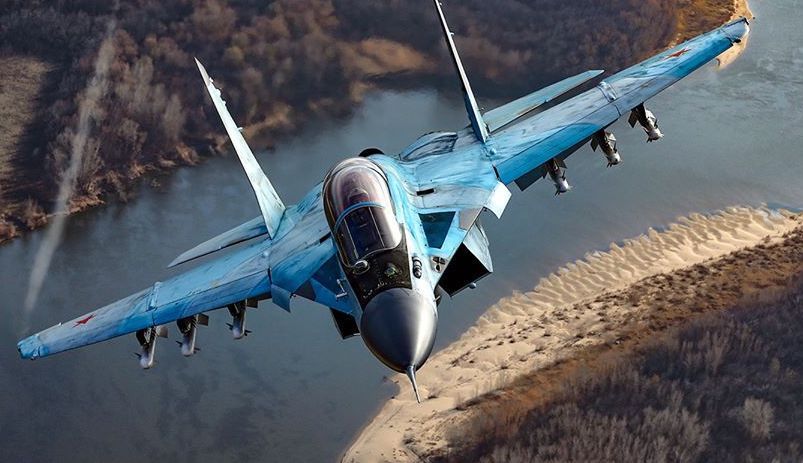
The MiG-35 may seem the obvious choice for Iran. Its cost is only marginally higher, and its R-37M missiles provide a major force multiplier for its fleet with over double the range of missiles fielded by rival powers - most of which rely on the 105km AIM-120C with the U.S. Air Force itself only beginning to operate the 180km range AIM-120D. Pilots and maintenance crews will require minimal training to operate the aircraft due to their experience with the MiG-29A already in Iranian service, and the new fighter will be compatible with the same armaments and maintenance infrastructure as the MiG-29. Despite all of this, Iran may in the end select the J-10C. This may in part be for political reasons, as Russia has frequently made sizeable concessions to the Western Bloc and to Israel regarding its arms sales to the Middle East since the collapse of the Soviet Union.
Among these have been freezing of a deal to provide Iran with more MiG-29s and possibly MiG-31s under Western pressure in the early 1990s, freezing of S-300s Iran had ordered in the early 2010s under the Dimitri Medvedev administration and cancelling plans to provide Syria, a close Iranian defence partner, with S-300 systems and MiG-31 interceptors. Iranian media has also reported that Russia provided Israel with valuable intelligence including sensitive codes for Syria’s air defence network - which allowed the Israeli Air Force to strike targets in the country more easily. Should these claims represent the view of Iran’s military intelligence, it would seriously undermine the appeal of acquiring Russian systems. What, in the eyes of the Iranians, would stop Moscow proving the codes for the R-37M to prevent it from being used against Israeli aircraft?
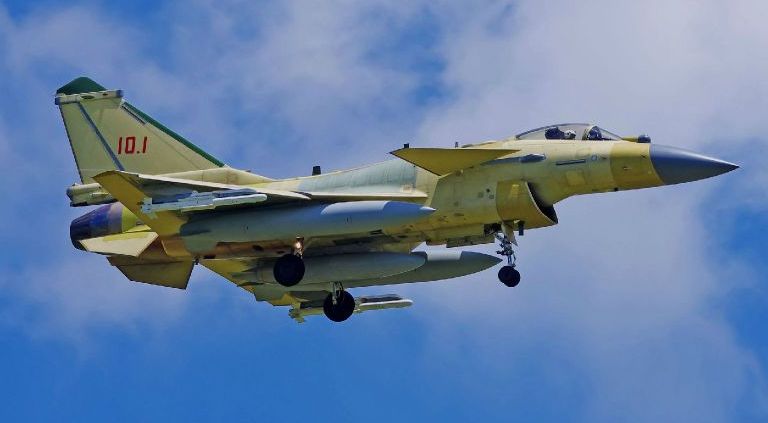
Aside from China's potentially greater reliability as an arms supplier, benefits of the J-10C include the status of the PL-15 missile - which has been much more widely deployed and tested by Chinese units than the R-37M. China appears to be investing far more in research and development for its air to air missiles, meaning the J-10C is likely to deploy superior missiles in future. Acquiring the J-10C also leaves the option open of acquiring complementary Russian heavyweight fighters such as the Su-35 or Su-57 in future, which would provide the Iranian fleet with greater diversity and allow it to benefit from both Russian and Chinese technologies. China notably does not produce any heavyweight fighter aircraft for export, meaning the MiG-35 could not be paired with a Chinese heavyweight fighter in a similar way.
Acquiring the J-10C could also facilitate closer political and defence ties with Beijing, which has invested heavily in the Iranian economy and provided key support in the face of harsh Western economic sanctions. Such a purchase may thus pave the way for further Chinese investments, and ensure that the flow of funds between the two countries is not excessively one-sided. Greater options also exist for Iran to pay for the fighter by barter - in exchange for oil or some other resource to avoid the complications of using the U.S. dollar for exchanges - as the volume of Russian trade with Iran is considerably smaller. Due to a combination of factors, most notably a need too avoid over-reliance on Russian weaponry for aerial warfare while already using Russian systems for ground based air defence and potentially acquiring Russian heavyweight fighters in future, the J-10C stands a strong chance of being selected to fulfil Iran’s requirement for a next generation light or medium weight fighter jet.
