
Chonma Ho; How North Korea Developed and Has Extensively Modernised its First Indigenous Battle Tank
Military Watch Magazine Editorial Staff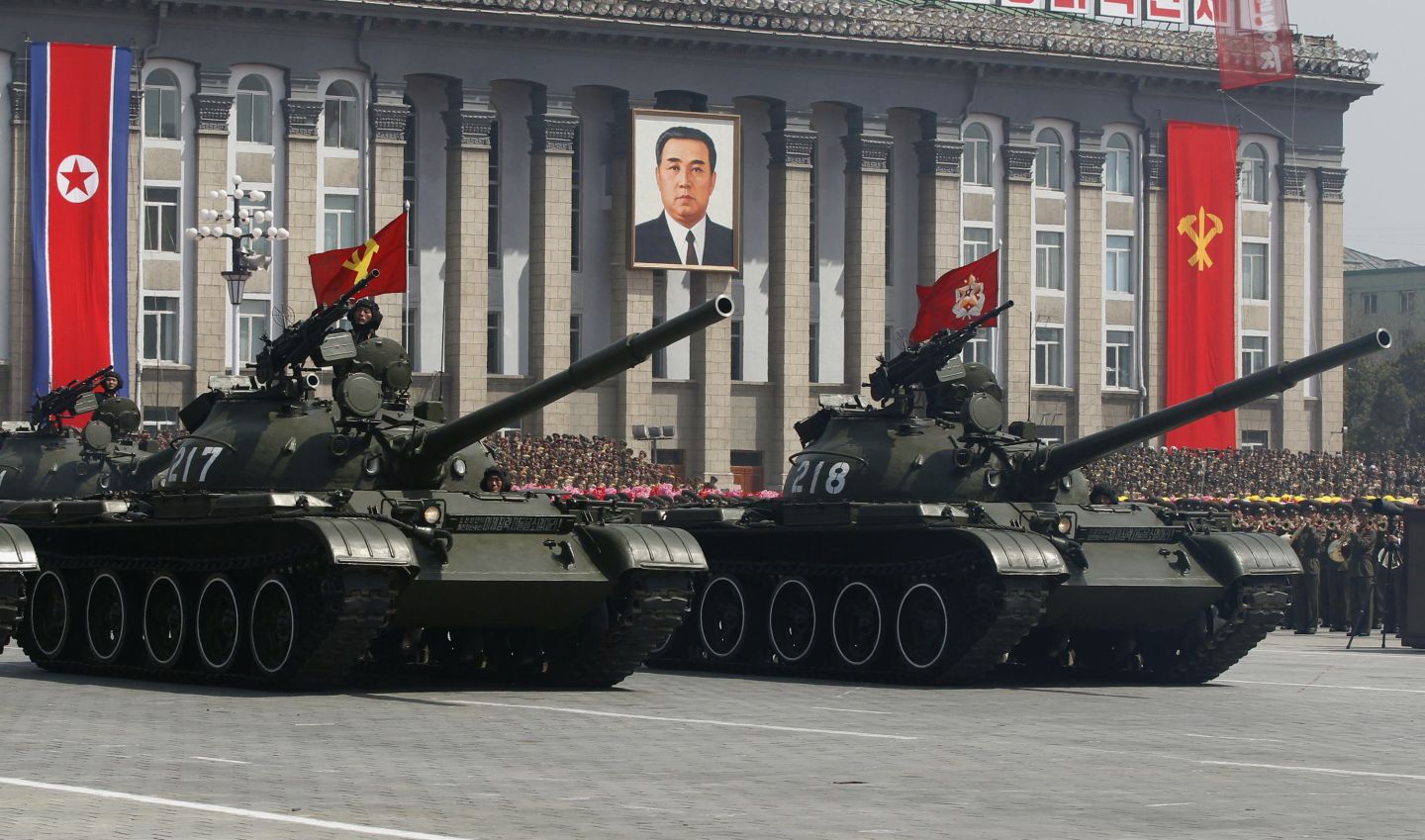
Chonma Ho Battle Tanks in Kim Il Sung Square
North Korea’s armed forces have operated battle tanks since the late 1940s, and made extensive use of a small contingent of Soviet made T-34 tanks during the Korean War which were replenished with more advanced platforms in the conflict’s aftermath. While the country relied heavily on Soviet manufactured armour for over two decades, its Juche ideology prioritising self reliance as well as its special needs for armoured vehicles capable of operating in mountainous terrain led North Korea to seek to develop battle tanks indigenously. The country’s indigenous first battle tank, the Chonma Ho, entered service in 1980 loosely based on the Soviet T-62 design. The tank was issued to the country’s most elite armoured formations at the time, and was the most capable platform in North Korean service for over ten years far surpassing the performance of the older T-54 and T-55 tanks acquired from the USSR.
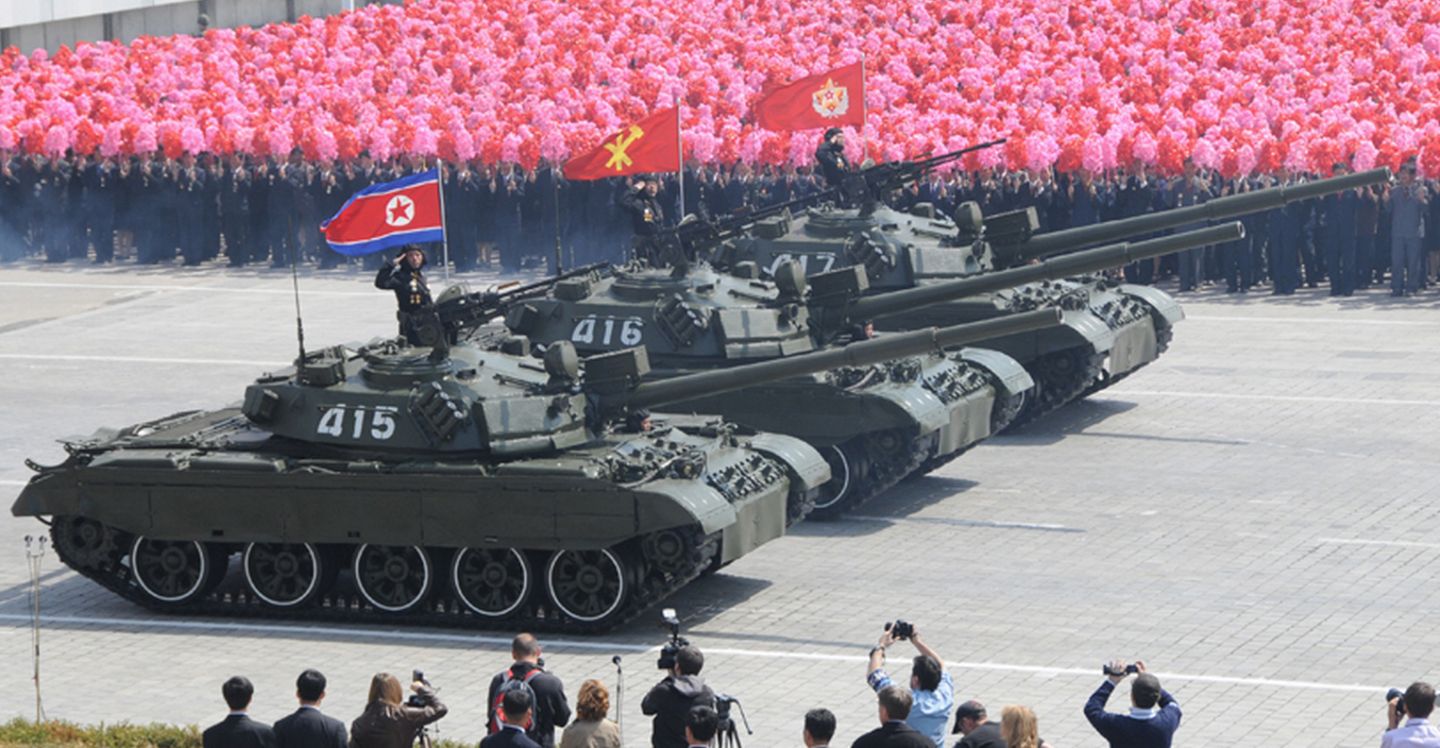
The Chonma Ho relies heavily on technologies reverse engineered from the Soviet T-62 and T-72 designs, and has been designed in several variants. The tanks are intended to be able to fire their primary armament at extreme angles, making them well suited to mountain warfare in a way standard Soviet and U.S. manufactured combat vehicles are not. The original version of the Chonma Ho reportedly fielded lighter armour - and the design was later upgraded considerably to better contend with the more sophisticated U.S. and South Korean platforms deployed south of the 38th parallel. Later variants of the tanks were developed with heavier armour, laser rangefinders, ‘boom shields,’ surface to air missiles, and advanced explosive reactive armour. Smoke launchers, thermal sleeves for the main gun, armour track skirts, composite armour, a ballistics computer and a more advanced integrated fire control suite also came as later additions - alongside a new more powerful 750hp engine and superior can stabilisation systems.
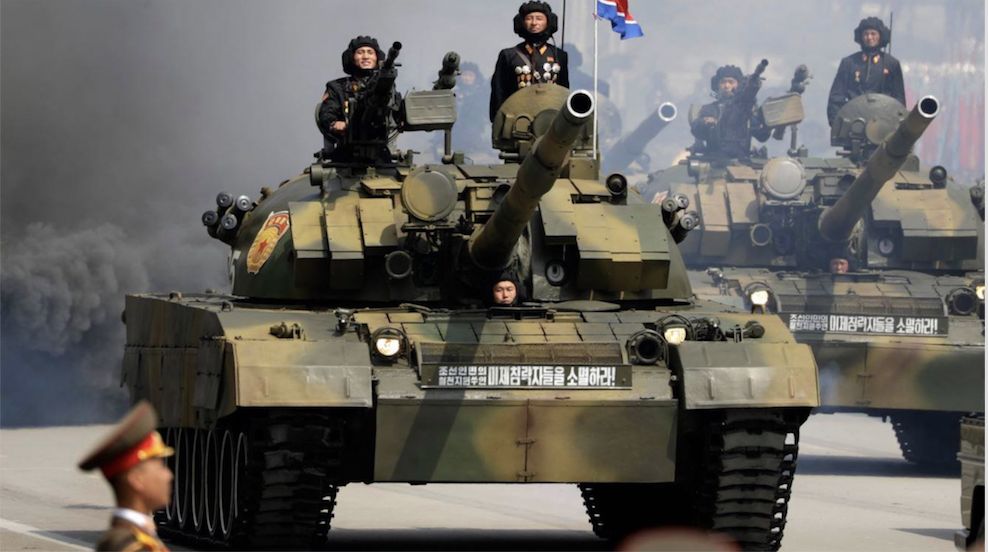
The latest upgrades to the Chonma Ho design have included thermal imagers, a new fire control system, new rubber plate fitted composite armour, an elongated chassis, new surface to air missiles, a more powerful 125mm 2A46 smoothbore cannon (replacing the original 115mm cannon), a spent shell ejection system and an autoloader. These have served to considerably incase the tank’s firepower as well as its survivability and the situational awareness of its crews. While the Chonma Ho has been enhanced considerably since its entry into service, and far surpasses the capabilities of the Soviet T-62 and its U.S. analogue the M60, it remains outmatched by the latest battle tanks deployed by potential adversaries such as the South Korean K2 Black Panther - particularly in open ground where the northern platform’s specialisation in mountain warfare cannot come into play. North Korea has thus moved to develop the more capable Pokpung Ho, which entered service in 1992 and has since been upgraded with state of the art technologies including those acquired from advanced Russian T-90 variants. This tank has since replaced the Chonma Ho as the elite of North Korean armoured units, and is currently in mass production. Like its predecessor, it is also specialised in mountain warfare.
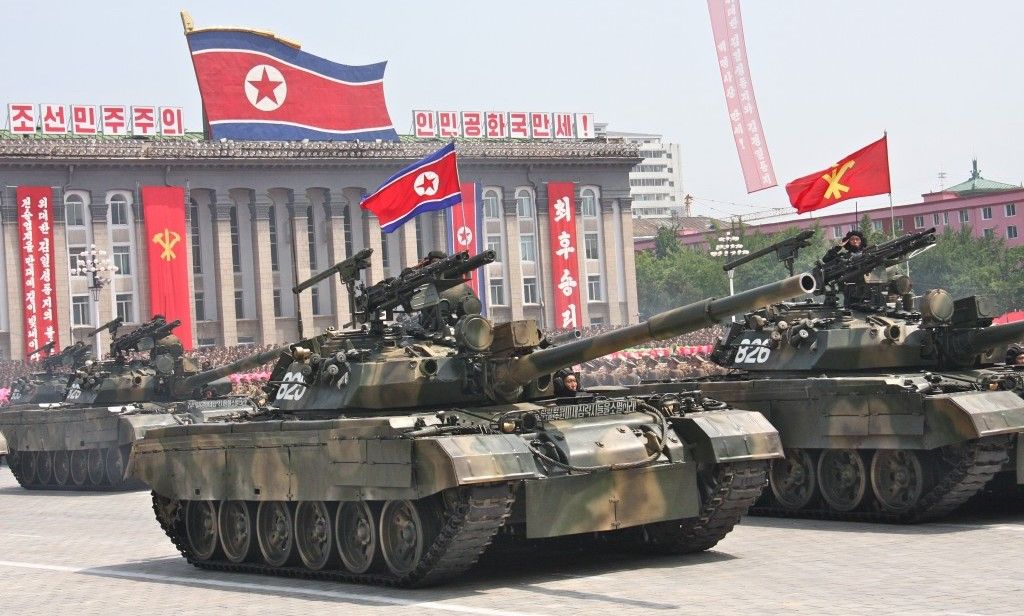
Approximately 900 Pokpung Ho and Chonma Ho tanks were manufactured from 2005 to 2012 alone, according to South Korean estimates, allowing North Korea's armed forces to effectively phase the older T-55 and older Chonma Ho variants out of frontline service. Experience gained developing multiple variants of the Chonma Ho and extensively modernising the design were key to establishing North Korea as an advanced manufacturer of high end battle tanks. The design was exported to both Iran and Ethiopia in the 1980s in large numbers, and remains in service until today. The Chonma Ho’s chassis was also used as the basis for the Juche Po self propelled artillery piece, which entered service in the early 1990s. A command vehicle and armoured recovery vehicle have also been developed based on the original chassis. Modernised variants of the Chonma Ho are likely to remain in service in the North Korean armed forces for many years to come, although it is unclear whether they are still in production as a lighter and less costly analogue to the Pokpung Ho. The Pokpung Ho has come to form the bulk of the armour in North Korea's frontline units, and retains comparable capabilities to the Russian T-90 from which it derives many of its technologies. Unlike the T-90 however, but like its predecessor Chonma Ho, the Pokpung Ho is heavily specialised for mountain warfare and is designed to integrate considerable anti aircraft missile capabilites.
