
How North Korea Plans to Counter the F-35 - With Guided Artillery and Tactical Missiles
Military Watch Magazine Editorial Staff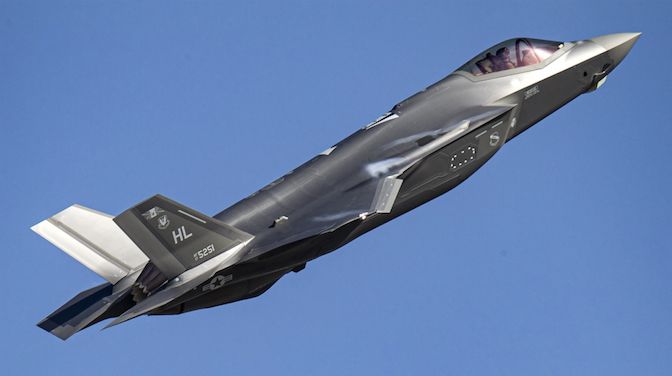
F-35A Fifth Generation Fighter
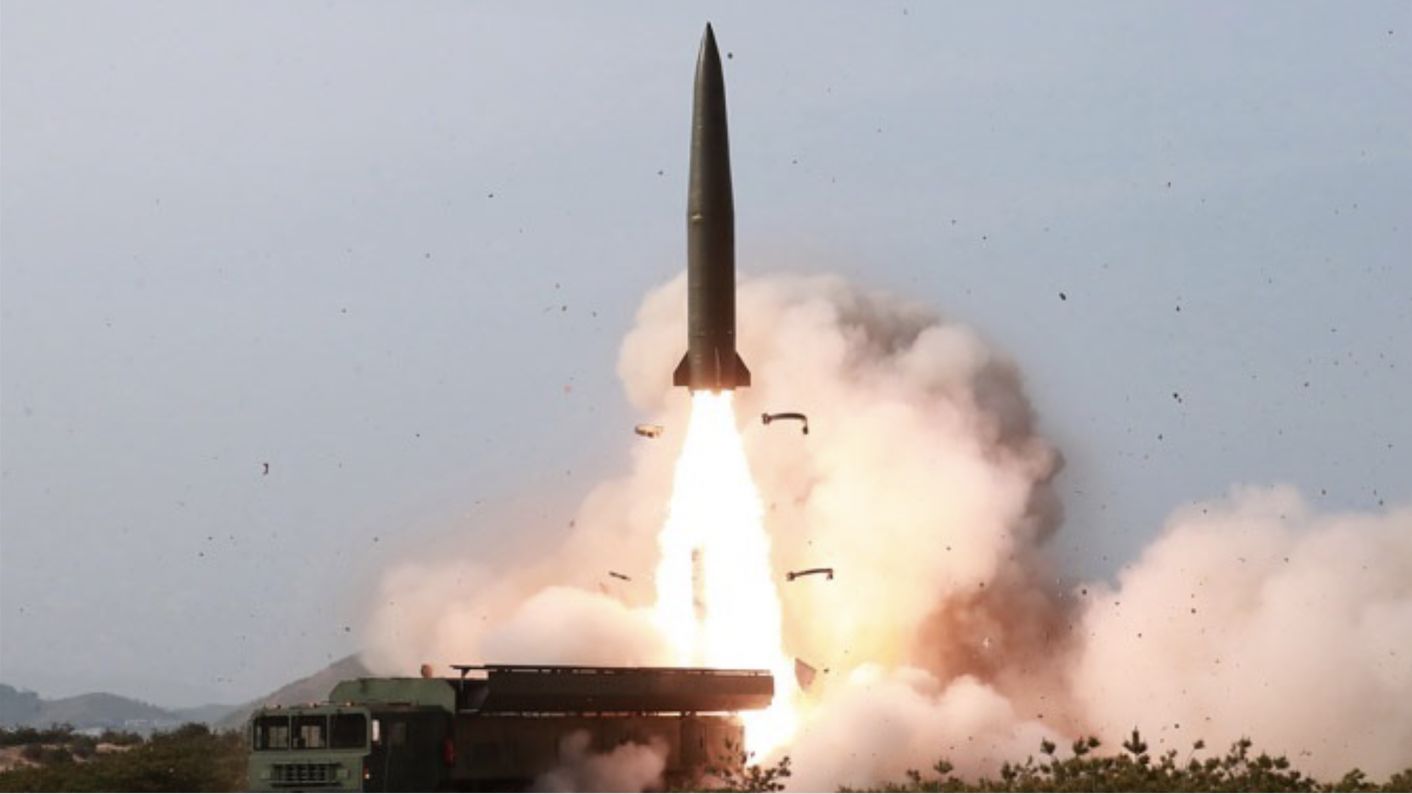
North Korea’s armed forces have are confirmed to have carried out two launches of a new rocket artillery system on July 31st and August 2nd of a “newly developed large caliber multiple launch guided rocket system.” These tests are intended to improve the clean of the country’s artillery units, and complement launches of a new solid fuelled tactical ballistic missile, the KN-23, which has displayed a number of revolutionary new capabilities and is thought to be derived from the Russian Iskander system. North Korea set a record for the range of its rocket artillery in the mid 2010s with the KN-09 missile system, which with a range of 200km according to the South Korean Defence Ministry gave it a longer range than many ballistic missile systems such as the Russian (Tochka) Scarab series.
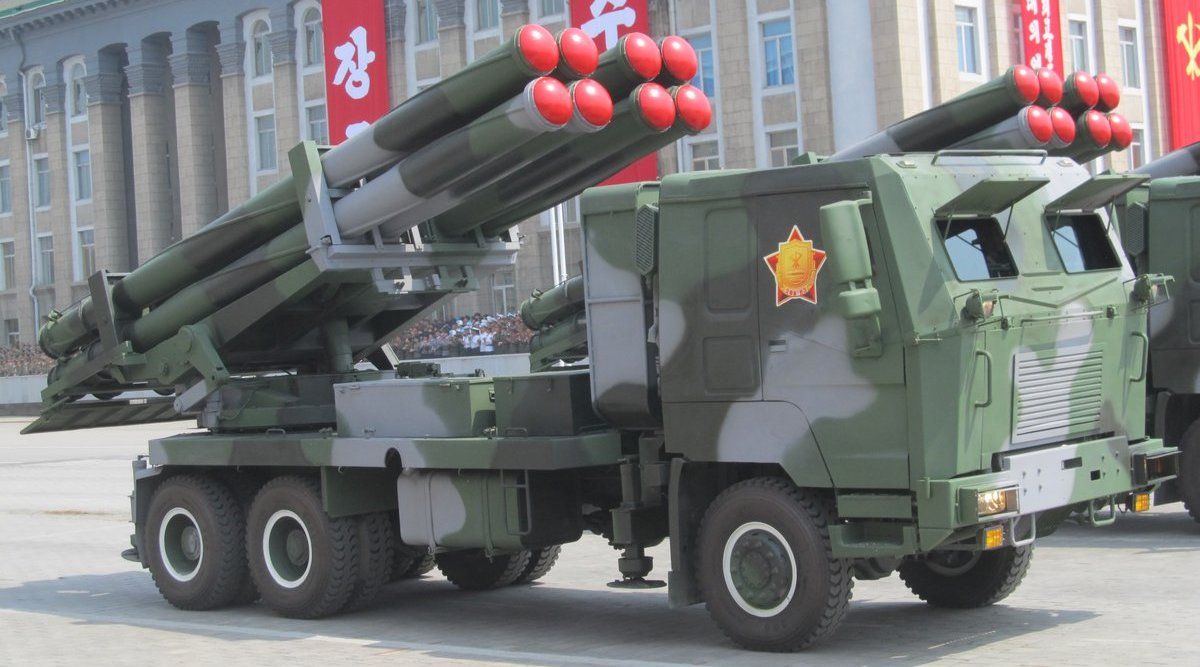
Korean state media outlet KCNA stated regarding the new rocket artillery system that the “new-type guided ordinance rocket” will “play a main role in ground military operations, in a short span of time according to the strategic policy of artillery modernization… The test-fire scientifically confirmed that the tactical data and technical characteristics of the new-type large-caliber guided ordnance rocket reached the numerical values of its design, and verified the combat effectiveness of the overall system.” The launches have reportedly been carried out in response to two perceived provocations by South Korea and the United States - the deployment of new F-35A strike fighters by the former’s Air Force and plans for large scale joint military exercises by the two parties.
The Lockheed Martin F-35, developed under the Joint Strike Fighter program, as its name suggests was designed primarily for an offensive air to ground role and the penetration of enemy airspace. North Korea vowed to respond to the deployment with adequate countermeasures. Considering U.S. drafted UN sanctions preventing the state importing fighter jets, and the country’s efforts to reduce defence expenditure in recent years, a mirror response to the F-35 deployment through acquisition of Russian MiG-35 or Su-57 fighters remained an unlikely option. It was speculated at the time that upgrades to the anti aircraft capabilities of MiG-29 fighters produced under licence in Korea, or upgrades to indigenous KN-06 air defence systems, were a possibility. While implementation of such upgrades can only be speculated, induction and testing of a new rocket artillery system alongside the KN-23 missile can be seen as a direct response to the F-35 deployment.
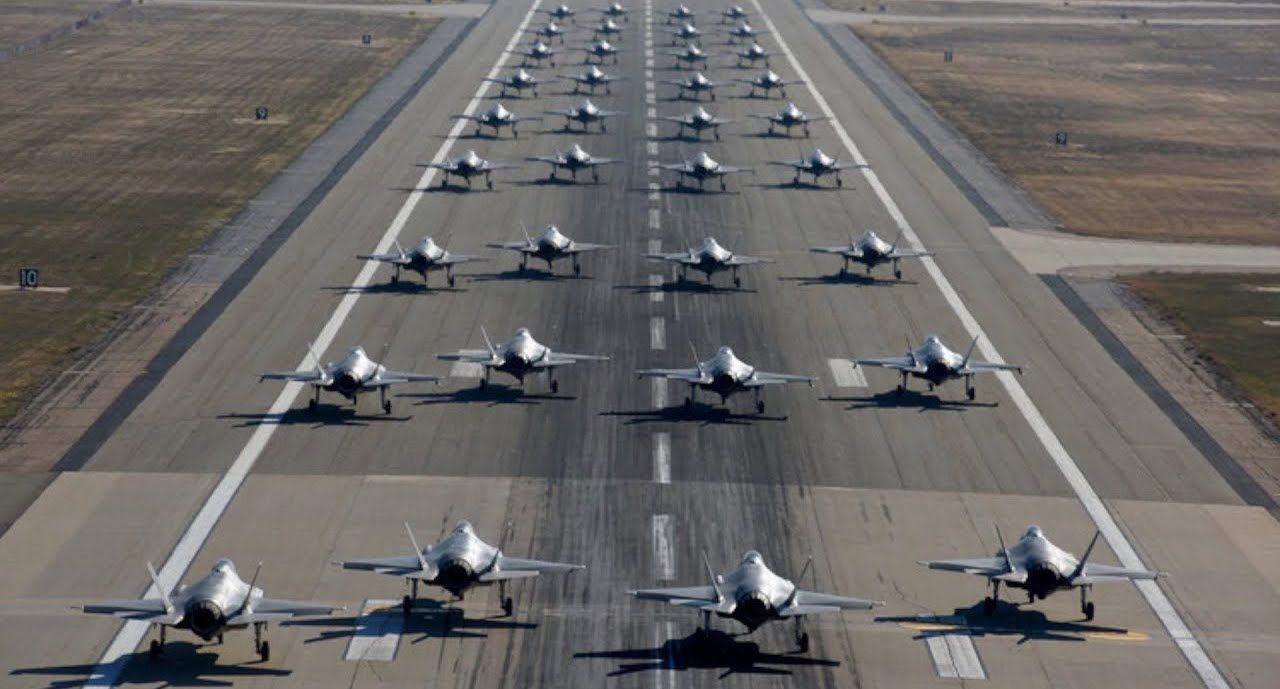
The F-35A which South Korea has ordered relies on pristine and relatively long runways to operate. Unlike the more costly F-35B, or the MiG-29 jets deployed by North Korea, it cannot deploy from short, damaged or makeshift runways. This could potentially allow North Korean forces to ground the F-35 in the opening stages of the war by quickly eliminating its airfields. Considering the advanced capabilities of the KN-23, deploying this alongside a new guided rocket artillery system could allow the KPA to take enemy airfields out of commission in the opening hours of a war. From the censored image of the artillery system released, it is unclear whether its rockets are massive, or are housed in canisters possibly making use of a cold launch system. It is notable however that the tracked launcher very closely resembling that of the Russian S-300VM missile system. The platform’s design indicates not only a high degree of mobility, but also a considerably extended range over existing systems - with the KN-09 currently fielding a 200km range. It is highly likely that the new system will be able to strike airfields at extreme ranges however. The calibre of the rockets and their tail fins both appear to be considerably larger than the KN-09. This will be complemented by the KN-23, which can take out airfields further away with an estimated range of up to 600km
Working alongside the KN-23, and other assets including special forces units which U.S. reports have previously cited as a major threat to airfields, there is a high possibility of neutralising South Korean airfields before the F-35s can operate from them. There is also a high possibility of destroying F-35 squadrons on the ground - where they present a highly ludicrous target. The F-35 is notably particularly vulnerable to such a strategy due to its low serviceability rates and high maintenance requirements - which means the aircraft spend a particularly long time on the ground for every hour in the air relative to other platforms such as the F-16.
