
North Korea To Develop ‘F-35 Killer’ Weapons For Defence Against U.S., Japan and South Korea
Military Watch Magazine Editorial Staff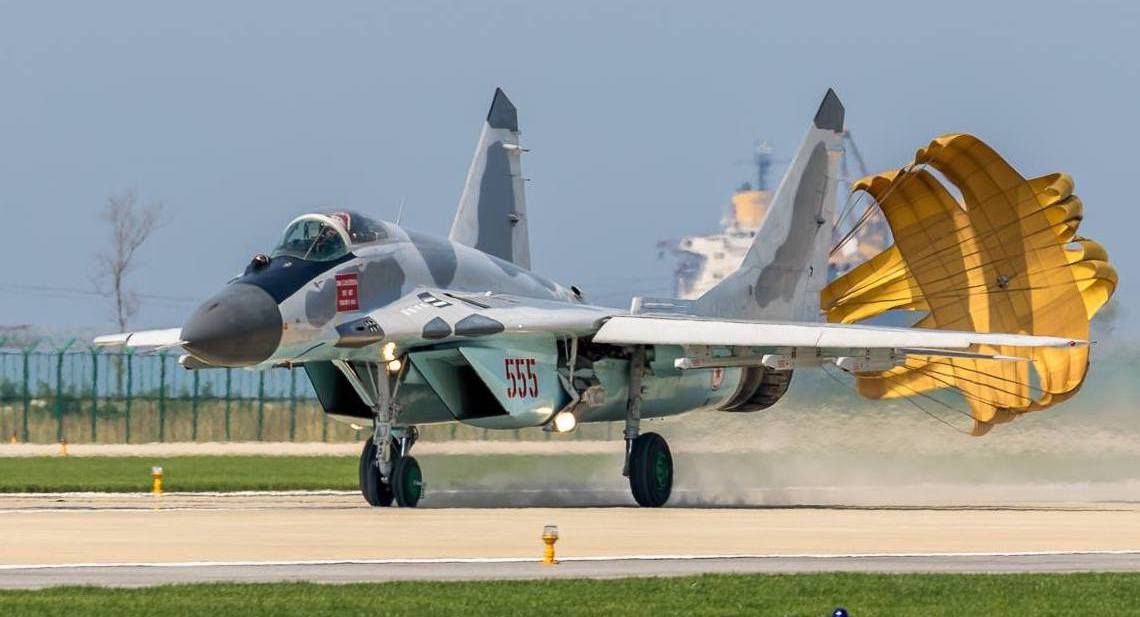
North Korean MiG-29 Multirole Fighter
North Korean state media outlet KCNA has reported that country intends to develop new “special armaments” specifically to counter the deployment of F-35 fighter jets to the Korean Peninsula. This reportedly came in response to the South Korean Air Force’s deployment of a growing fleet of the stealth fighters with 60 planned, while Japan and the United States have also begun to induct larger F-35 fleets which would be expected to take part in any conflict on the Korean Peninsula. South Korea's entire fleet will fall under the command of the United States military in the event of war, which makes it appear a particularly significant threat to the north. The F-35 was developed under the Joint Strike Fighter program primarily as an offensive medium endurance aircraft designed to penetrate enemy airspace and deliver attacks against enemy ground targets. It is currently the only fully operational fifth generation fighter in the world capable of carrying heavy bombs and tactical nuclear bombs, with its penetrative warheads whether nuclear or conventional seen as a key threat by North Korea due to its military's heavy reliance on fortified tunnel systems and bunkers. The F-35's predecessor the F-22 Raptor, which is specialised for air to air combat, does not have such capabilities for ground attack. The F-35 also retains a secondary defensive air to air capability, and can carry a modest payload of four air to air missiles.
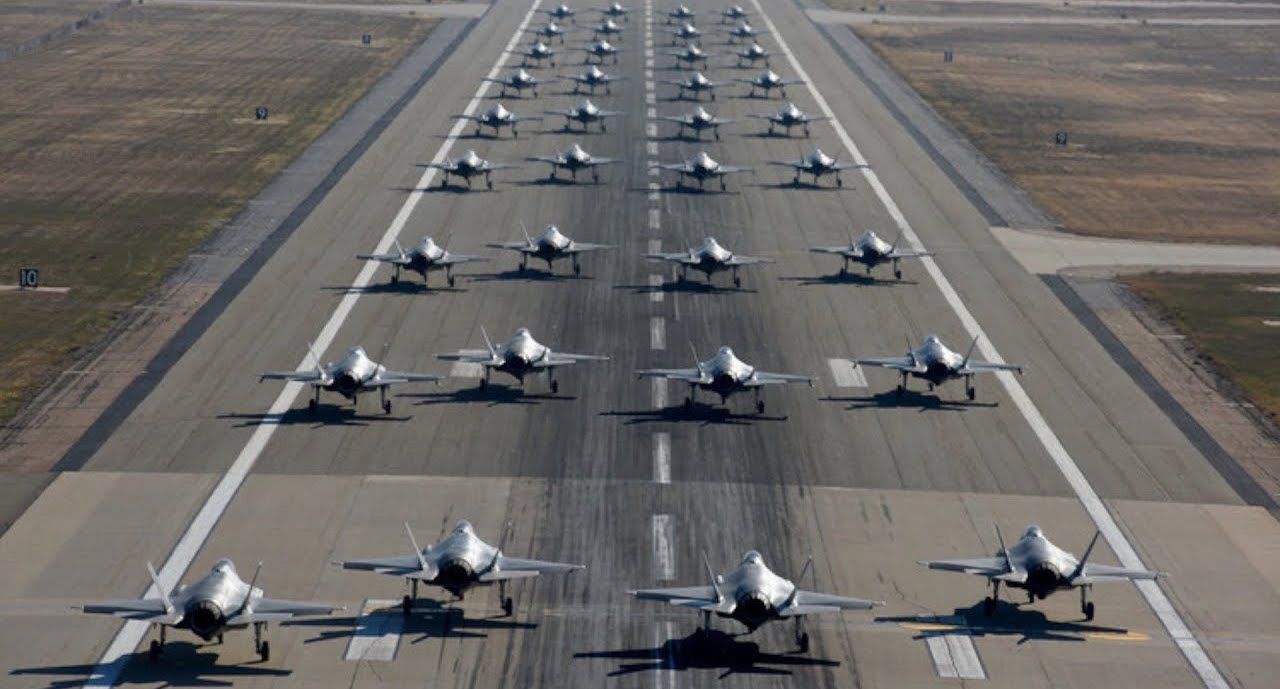
North Korea has carried out a series of cuts to its defence expenditure in recent years, and is heavily reliant on asymmetric assets such as special forces, ballistic missiles and submarines to engage its adversaries in war. Deployment of the F-35 has thus been perceived by Pyongyang as a provocative escalation upsetting the balance of power on the Korean Peninsula - which could force it to invest in upgrading its own aerial warfare capabilities. The North Korean statement regarding the deployment of the F-35 stated to this effect: “There is no room for doubt that the delivery of ‘F-35A’, which is also called an ‘invisible lethal weapon’, is aimed at securing military supremacy over the neighbouring countries in the region and especially opening a ‘gate’ to invading the north in time of emergency on the Korean peninsula... We, on our part, have no other choice but to develop and test the special armaments to completely destroy the lethal weapons reinforced in South Korea.”
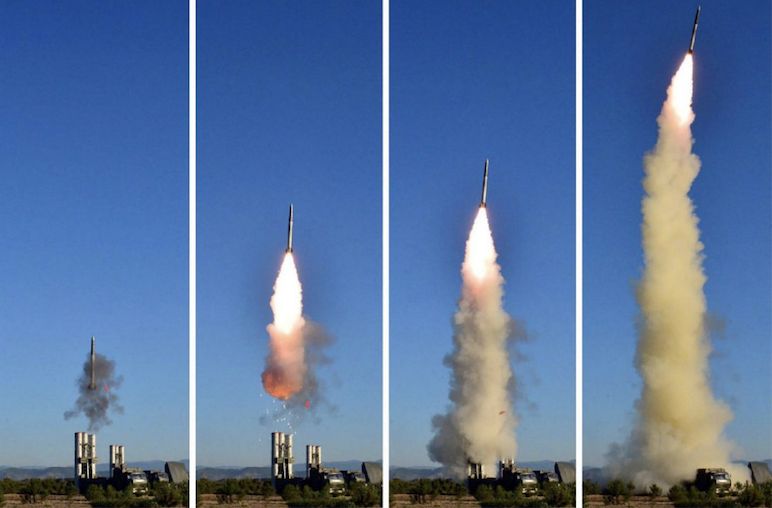
While North Korea does retain the capability to manufacture fourth generation fighter jets with the input of some foreign components, having acquired a production line for MiG-29 fighters in the 1990s to expand the country’s fleet, it is unlikely that production will be affected to respond to the F-35. It is possible that the country will seek to enhance the capabilities of its indigenous air defence systems to intercept aircraft with stealth capabilities. North Korea’s air defence network remains among the densest in the world, with tens of thousands of low altitude systems deployed complemented by long range high altitude platforms. Foremost in the latter category are the indigenous KN-06 system and, according to Russian media reports, the S-300 system. It is likely that North Korea will seek to counter the F-35 by enhancing the capabilities of the KN-06, or by developing an entirely new system for the role. Much like South Korea has enhanced its air defences through acquisitions of Russian technologies from the S-300 and S-400 systems, so too might Pyongyang turn to Russia and other allies for counter-stealth technologies. Development of complementary systems such as new early warning radars, air to air missiles and electronic warfare countermeasures suites are also a considerable possibility.
