
Is the West Shooting Itself In the Foot With a Harsh Response to Turkey’s S-400 Purchase?
Military Watch Magazine Editorial Staff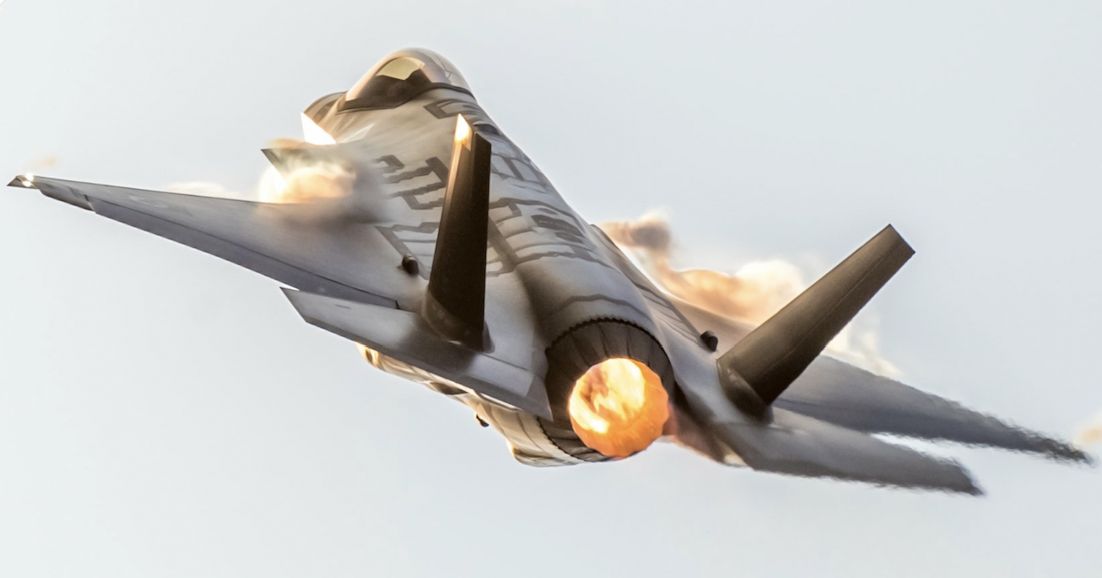
F-35 Fifth Generation Multirole Fighter
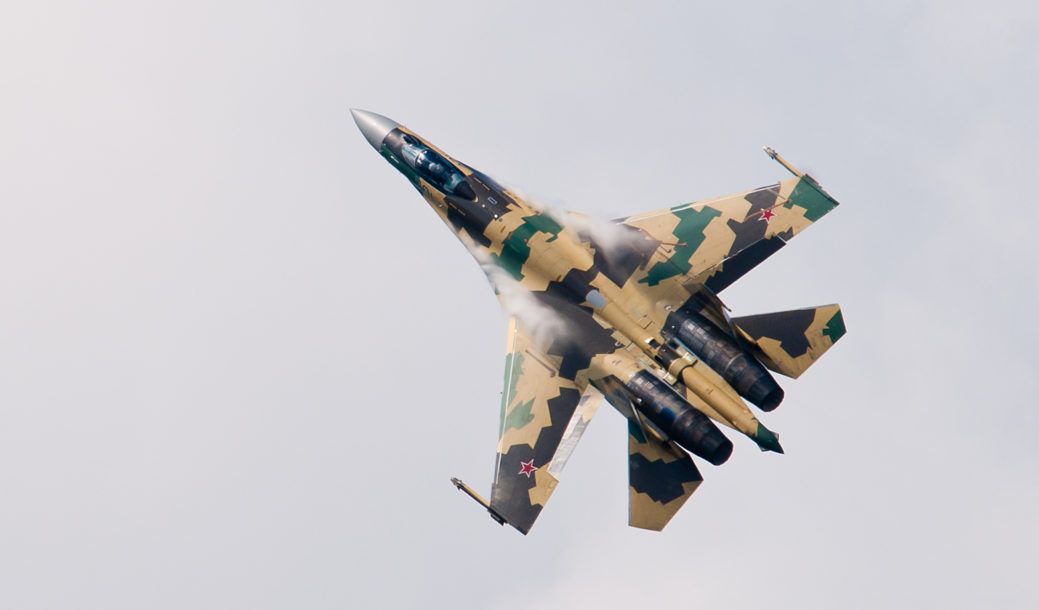
Turkey came under considerable pressure from the United States and a number of European states to end its plans to acquire Russian S-400 surface to air missile systems, with threats of economic sanctions, downgraded military cooperation and expulsion from the F-35 Joint Strike Fighter program all raised to dissuade Ankara from acquiring the system. The delivery of the first S-400 units on July 12th was closely followed by Turkey’s official expulsion from the F-35 program - with Ankara and Moscow subsequently exploring options for sales of Russian military aircraft to replace the Western jet. The Russian Su-57 and Su-35 air superiority fighters were both highlighted by official sources as potential replacements, with both fielding capabilities in many ways far exceeding those of the F-35 particularly in the case of the former. Turkey has further shown interest in and begun discussions for the acquisition of the Russian S-500 air defence systems, and it has been speculated the Ankara could have an interest in other complementary Russian platforms for air defence such as the BuK-M3 and Pantsir-SM. Further purchases of Russian weapons would likely be met by further hostile actions by the Western Bloc such as economic sanctions, and the S-400 acquisition could thus mark the beginning of a major rift between Turkey and the remainder of the NATO alliance.
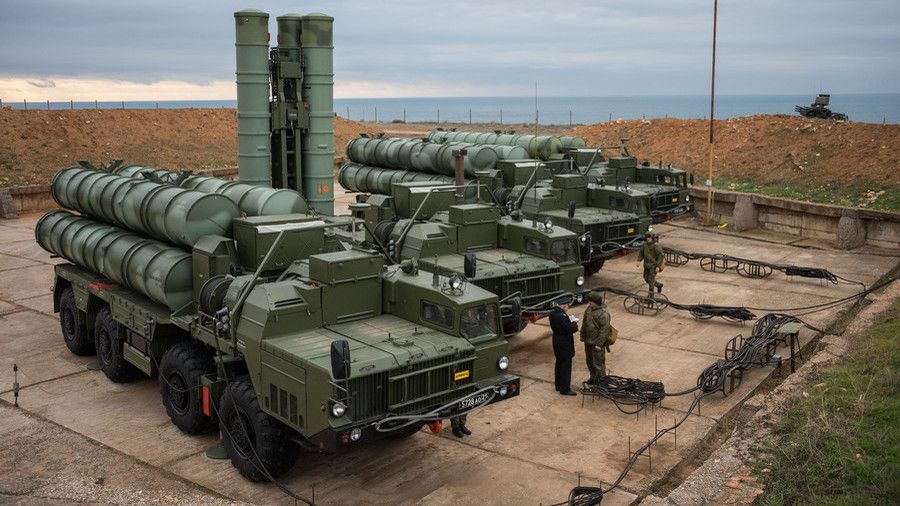
Turkey’s S-400 acquisition is contrary to Western interests primarily due to its subsidising of Russia’s defence sector which the U.S. and Europe have increasingly sought to starve of funds. This in turn will place Russia in a stronger position to invest in research and development for future air defence systems possibly including future S-400 variants - with the deployment of such systems viewed as a key threat to Western military primacy. The fact that Turkey refused the option for an earlier delivery of the S-400 system which would be manned by Russian servicemen means that the chances of Russia using the S-400 to survey Turkish and European territory remain slim. However, the acquisition does much to emphasise the significant shortcomings of Western technologies in the field of air defence relative to their Russian counterparts - with U.S. THAAD and Patriot (PAC-3) systems both leaving much to be desired across the spectrum in their capabilities relative to the S-400 and even its 1990 predecessor the S-300PMU-2. The fact that a NATO member opted for the S-400 over Western alternatives despite massive pressure, combined with the poor performance record of the Patriot system, are a further embarrassment for Western defence manufacturers in this regard.
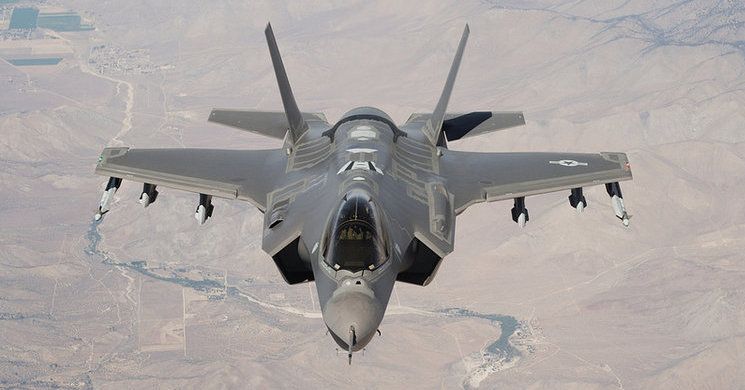
While Turkey’s S-400 acquisition represents a loss for the Western Bloc, the alliance’s response to the purchase could significantly further undermine its interests and exacerbate issues surrounding Turkish defence ties with Russia. Turkey’s eviction from the F-35 program will reportedly stall it for up to a year due to the country’s allocated manufacturing of many key components for jets used across the world, while also raising the price of the fighters for their other clients. The funds Turkey planned to devote to the F-35 program were several times greater than those spent on the S-400 system, with the country formerly the largest export client for the F-35A variant of the jet with over 100 planned and planning further acquisitions of the F-35B for its small aircraft carrier. Considering that Turkey is currently the largest foreign operator of the F-35’s fourth generation predecessor the F-16, it is likely the country would have followed through on plans for such a large purchase. Had the country deployed such a large fleet of American stealth fighters - they would have been on the frontline of any NATO war effort against adversaries in Eastern Europe, the Middle East or Central Asia. Furthermore, F-35 jets in Turkish service would have continued to send valuable data back to the United States - with the fighters having collected sensitive information on their foreign operators in the past for this purpose. Turkey’s reliance on the United States to maintain its military would have also increased considerably, with the fighters’ complexity and connection to a U.S. centred system leaving them effectively useless should the U.S. choose to cut off support and ground the fleet. Furthermore, even when operational the U.S. retained the capability to manipulate the balance of power in the Middle East and other powers by downgrading the software on the Turkish F-35 fleet - which it reportedly planned to do from 2018 in response to an Israeli request. Thus considerable leverage over Turkish activities, funding for the F-35 program, deployments of stealth fighters under NATO and influence over the balance of power in the Middle East were all sacrificed.
Ending Turkish participation in the F-35 program over its S-400 acquisition has set the country's armed forces on course to further rely on Russia for advanced armaments - most immediately fighters such as the Su-57 and SU-35 which could quickly replace the F-35 in the Turkish fleet. The U.S. will have no control over Turkey’s ability to operate Russian jets, will not be able to use the aircraft to gain intelligence on Turkish activities, and will not be able to influence the Middle Eastern balance of power by altering their armaments or their software. Thus a harsh response to Turkey’s S-400 purchase has effectively hindered the interests of the Western Bloc far more that the purchase of the missile system itself. Furthermore, a large scale acquisition of Russian aircraft would provide considerably more funds for Russia’s defence sector than the S-400 purchase, and if acquired on a similar scale to the planned F-35 purchases it could mark the largest single Russian arms deal since the year 2000. The funds such sales would provide to Russia’s military aviation industry would seriously undermine Western economic warfare efforts, while also providing Turkey with a fleet of aircraft which, in the case of a deterioration of relations, the Western Bloc would be unable to ground and would struggle to effectively counter due to the lack of familiarity with the Su-35 and Su-57 designs. Thus it can be concluded that, while Turkeys’ S-400 acquisition was against Western interests, the Western response to the acquisition and in particular the expulsion of the country from the F-35 program was a short-sighted measure which will undermine Western interests much more than the S-400 deal itself.
