
Russia Offers Turkey its Elite Su-57 Fighters Amid U.S. Threats to Cancel F-35 - Turkish Media Reports
Military Watch Magazine Editorial Staff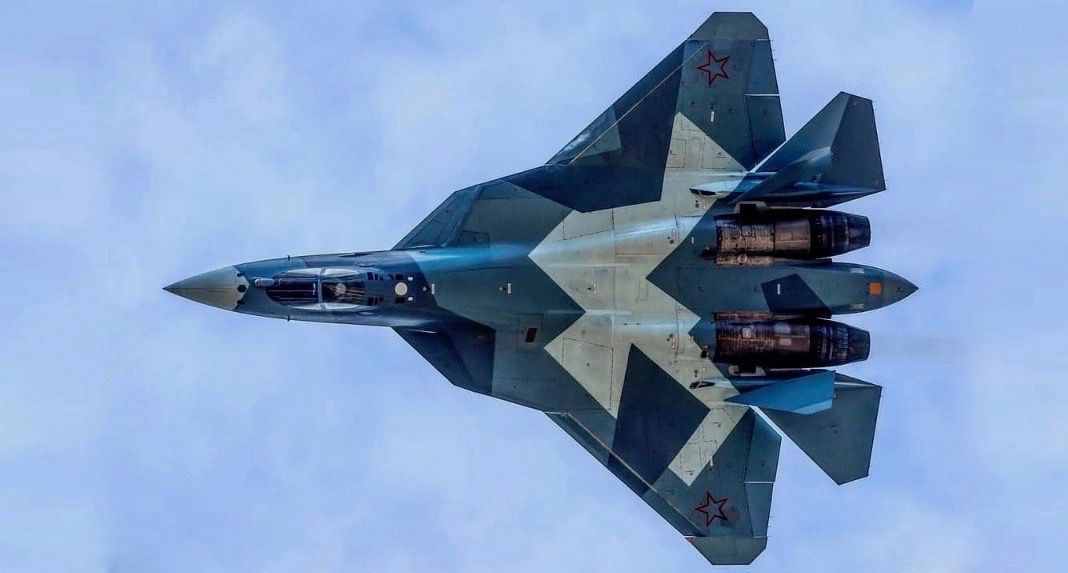
Su-57 Stealth Fighter
Following moves by the United States to freeze deliveries of the F-35 fifth generation single engine fighter to the Turkish Air Force, and threats to terminate the NATO member state from the fighter program entirely, the head of Russia’s defence export arms export corporation Sergei Chemezov has reportedly offered to provide the country with Russia’s own next generation combat jet the Su-57. Turkey has been under considerable pressure to terminate its planned acquisition of the S-400 long range surface to air missile system produced by Russia’s Almaz Antey defence manufacturer, which alongside threats to expel it from the F-35 program have included threats of American economic sanctions. The Su-57 is currently the only other fifth generation fighter in the world available for export, with China’s J-20 and the American twin engine F-22 Raptor both reserved for domestic use only and production of the latter having been prematurely terminated due to its cost. The Su-57, however, is a twin engine air superiority fighter with a very different role to the lightweight American jet. The platform surpasses the F-35’s capabilities in most fields including speed, manoeuvrability, range, operational altitude, engagement range and weapons carriage - but is reportedly less stealthy than the American platform meaning its airframe can be more easily detected by enemy radars.
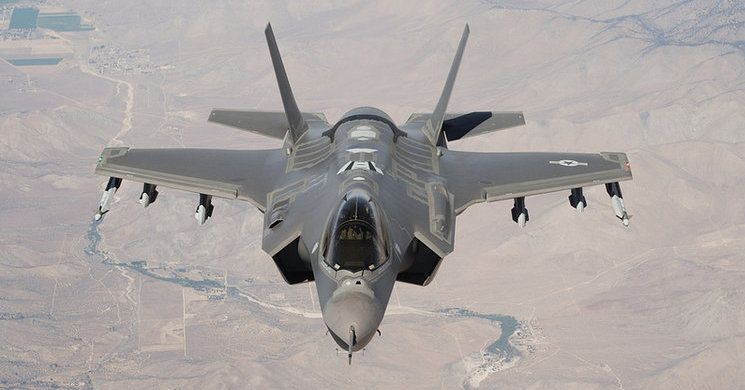
Turkish media has previously raised the possibility of a Su-57 acquisition, which has also been hinted at by officials as an alternative to the American fighter - one which in most respects would provide superior capabilities. Whether Russia would be willing, or able to provide Turkey with the facilities needed to manufacture major aircraft components as the U.S. has done with the F-35, remains to be seen. Due to the far smaller scale of Su-57 production, such joint manufacturing agreements are likely to prove far more difficult to arrange - which may incline Ankara towards acquisition of the lighter American fighter. However, given the fact that Turkey was set to receive a downgraded F-35 variant, reportedly a result of an Israeli request to ensure its stealth fighters retain an advantage in the Middle East, the opportunity to acquire the Su-57 could well provide the most effective means for Ankara to match the capabilities of its potential rivals for regional influence. Turkey’s lack of modern air superiority fighters, with its only high altitude high performance aircraft being the Vietnam War era F-4E Phantom and the bulk of its fleet being comprised of lightweight F-16 Fighting Flacons, has long left its Air Force at a considerable disadvantage relative to rival regional powers such as Israel, Saudi Arabia and Iran - all of which deploy high end American air superiority fighters in large numbers. While Turkey currently lacks a fighter capable of matching the Israeli and Saudi F-15s and Iranian F-14s, and even with the F-35A and F-35B it had planned to acquire would potentially struggle to match platforms such as Israel's F-35I and Saudi Arabia's F-15SA, the Su-57 would provide a considerable capability advantage in the air. Ultimately political considerations rather than the fighters’ specifications are likely to take precedence in deciding which path Ankara will follow in seeking to modernise its military - and whether or not it will become a client for Russian fighter aircraft remains highly uncertain.
