
Russia Ready to Discuss Su-35 Deliveries to Turkey - State Arms Exporter
Military Watch Magazine Editorial Staff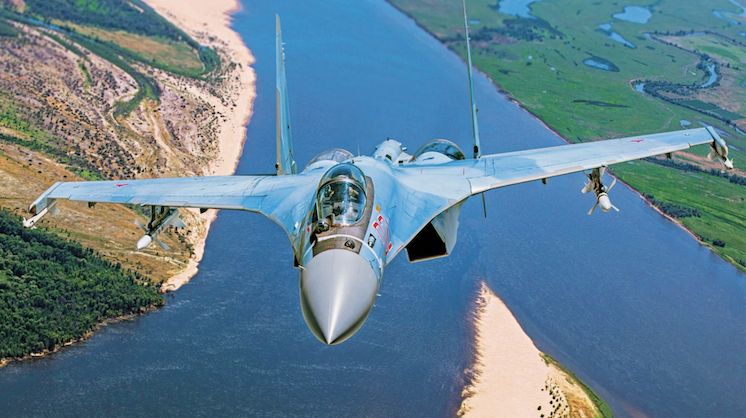
Su-35 '4++ Generation' Air Superiority Fighter
Following Turkey’s acquisition of its first S-400 long range surface to air missile batteries from Russia on July 12th, and the subsequent eviction of the country from the U.S. led Lockheed Martin F-35 Joint Strike Fighter program, the country has reportedly been offered Su-35 ‘4++ generation’ air superiority fighters by Russia as an alternative for the modernisation of its Air Force. Head of the state arms export corporation Rostec Sergei Chemezov expressed willingness to discuss an export, stating: "If our Turkish colleagues express a desire, we are ready to work out deliveries of Su-35 fighter jets.” A Turkish military source later confirmed that President Recep Tayyip Edogan would study the offer.
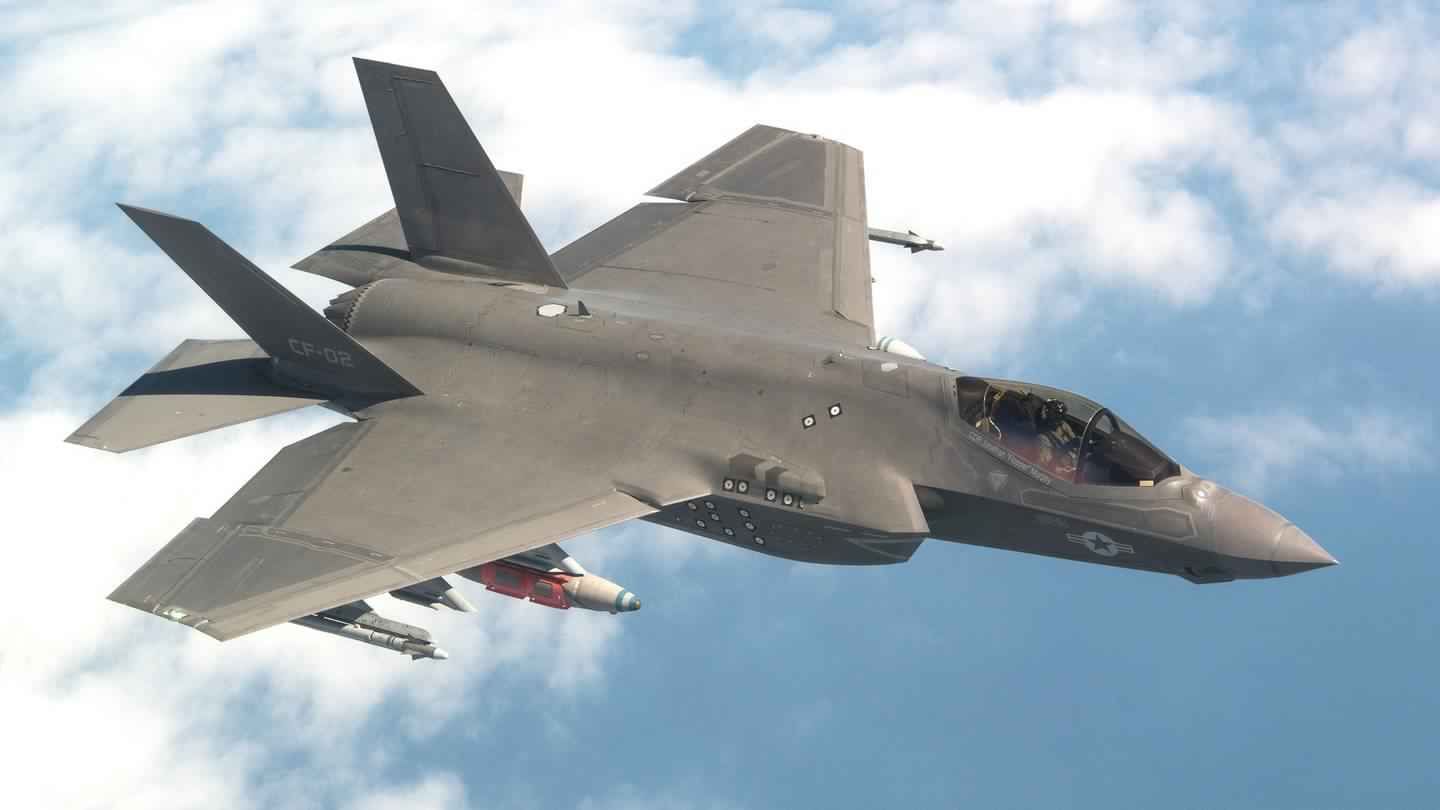
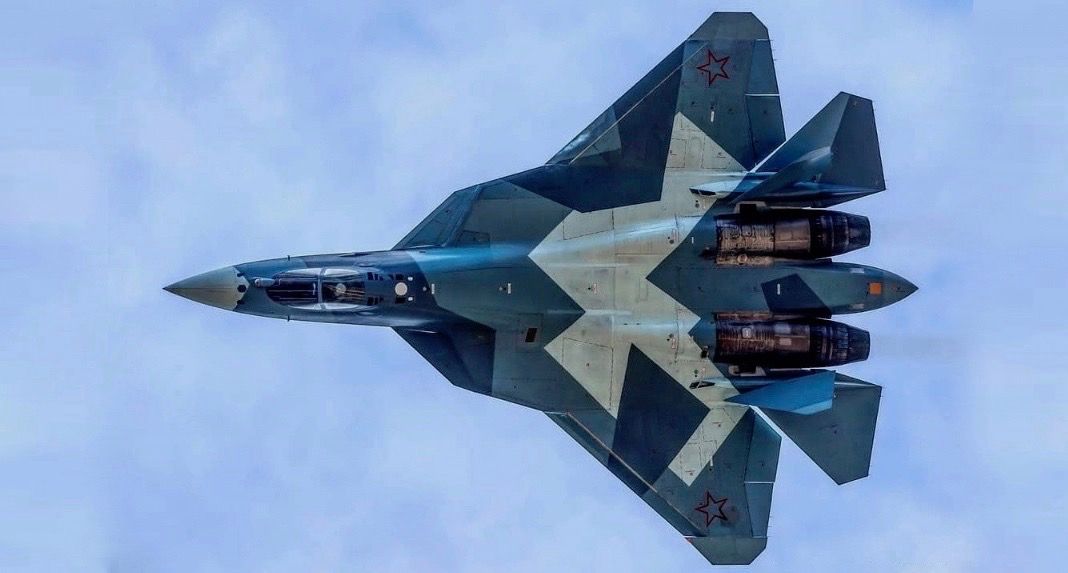
Turkey previously threatened to acquire Russian fighter jets should it be evicted from the F-35 program, with the possibility of a Turkish acquisition of Russia’s Su-57 next generation air superiority fighter raised by Turkish media outlets as early as May 2018 and mentioned by official sources in early 2019. Sergei Chemezov previously offered Turkey participation in the Su-57 program should it end its participation in the F-35 program - indicating that the Su-35 is not the only Russian platform on offer. Comparisons of the F-35 and the Su-57 aircraft have indicated that the latter would be a better asset for the Turkish Air Force, a better complement to the F-16C fighters currently comprising the bulk of the fleet due to its design as a heavyweight air superiority platform. The aircraft surpasses the capabilities of the F-35 almost across the spectrum, its inferior stealth capabilities being its only major drawback, with far superiority manoeuvrability, speed, range and over double the missile payload.
Turkey’s defence sector was set to benefit considerably from participation in the F-35 program, with six major defence manufacturers having invested in the licence manufacturing of components for the aircraft. It is unlikely that Russia will be able to provide similar economic benefits given the smaller scale of Su-35 and Su-57 production - unless Turkey plans a very large order which could allow it to licence produce components. It is still unclear which path Turkey’s Air Force modernisation program will take or what means the Western Bloc will use to threaten the country and prevent it from making further purchases of Russian equipment. Should the country reallocate funds intended for F-35 acquisition to acquisition of large numbers of Russian jets however, Turkey could emerge as one of Russia’s largest defence clients - and the first in NATO other than the United States to deploy high end heavyweight air superiority fighters.
