
Indian Military Approves $500 Million Russian Ka-31 Helicopter Deal for Expanding Navy
Military Watch Magazine Editorial Staff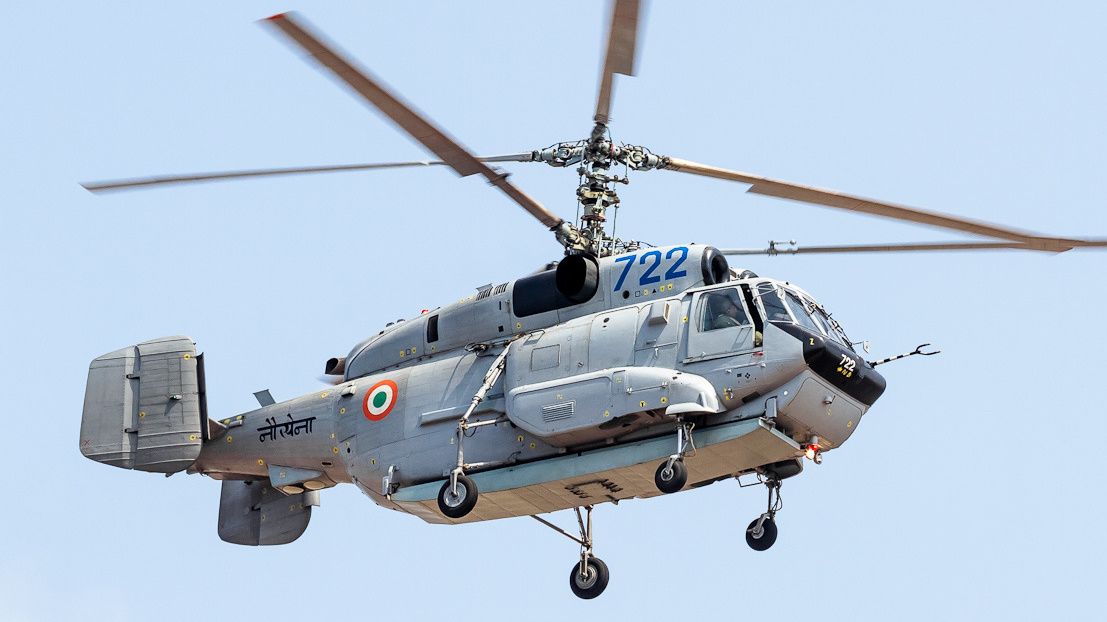
Indian Navy Kamov Ka-31Airborne Early Warning Aircraft
Following on from a series of recent contracts to acquire high end Russian weapons, which have included among other purchases multiple batteries the S-400 long range surface to air missile system, 21 MiG-29 medium weight multirole fighters, 18 Su-30MKI air superiority fighters and the $3 billion lease of an Akula II Class nuclear submarine, the country’s defence ministry has approved the $500 million purchase of ten Kamov Ka-31 airborne early warning and control (AEW) helicopters. The aircraft is based on the Ka-27 which the Indian Navy also operates, which first entered service in 1982 for a ferrying and anti submarine warfare role. The Ka-31 was designed as part of the Soviet Navy’s plans for expansion of its surface fleet and in particular its carrier fleet in the late 1980s, with the country planning to field nine aircraft carriers by the early 2000s with five completed and four in various stages of construction at the time of the state’s collapse. The aircraft lacks the Ka-27's anti submarine warfare equipment and has a redesigned cockpit with two additional multi function displays, new more powerful Klimov TV3-117VMAR engines, a Kronstadt Kabris 12 channel global positioning system and 16 channel digital communication gear with a 400km range.
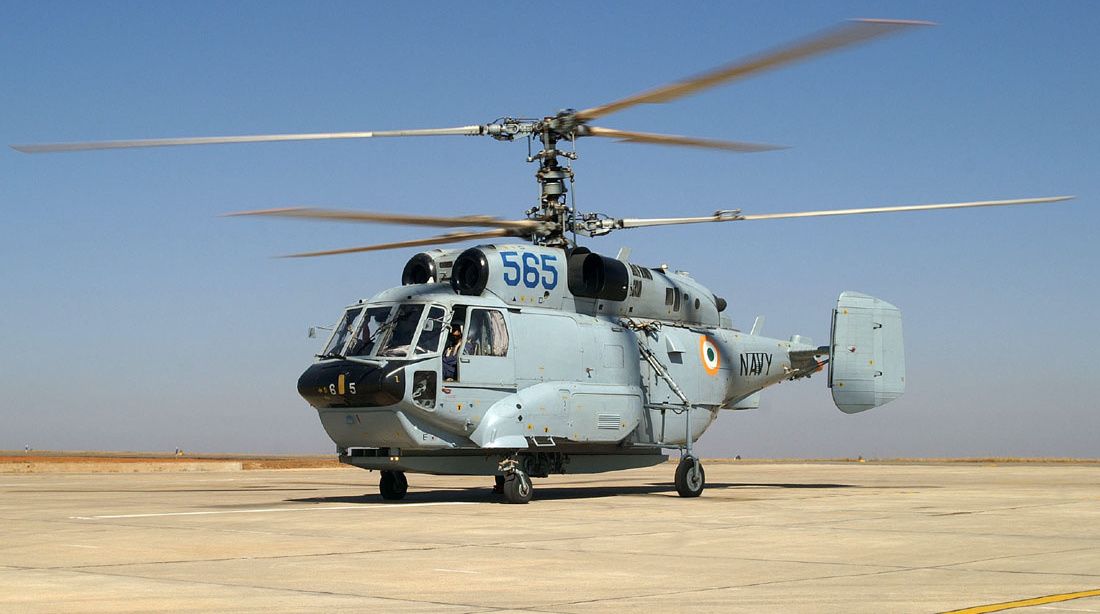
The Ka-31 first entered service in 1995 and is currently deployed exclusively by the Navies of India, China and Russia - all of which deploy aircraft carriers built in the Soviet Union. The Indian warships INS Vikramaditya and INS Vikrant, Russian carrier Admiral Kuznetsov and Chinese carriers Liaoning and Type 001 all make use of ski jump launch systems - leaving them poorly suited to deploying fixed airborne early warning and control (AWACS) aircraft such as the American E-2 Hawkeye and Chinese KJ-600 which serve as key force multipliers for the air wings of other carriers with catapult launch systems. The use of rotary wing aircraft such as the Ka-31, or the Merlin Crowsnest deployed by the British Royal Navy’s own ski jump equipped carriers, somewhat compensates the lack of fixed wing AWACS. While these aircraft carry significantly lighter and weaker radars, are restricted in range and endurance, and cannot be used to coordinate combat operations in the same way as the E-2, they to provide valuable additional situational awareness to their operators. Rotary wing AEW platforms also lack the ability to guide long range missiles to their targets as AWACS aircraft can. They can, however, be operated at a small fraction of the cost of their fixed wing counterparts.
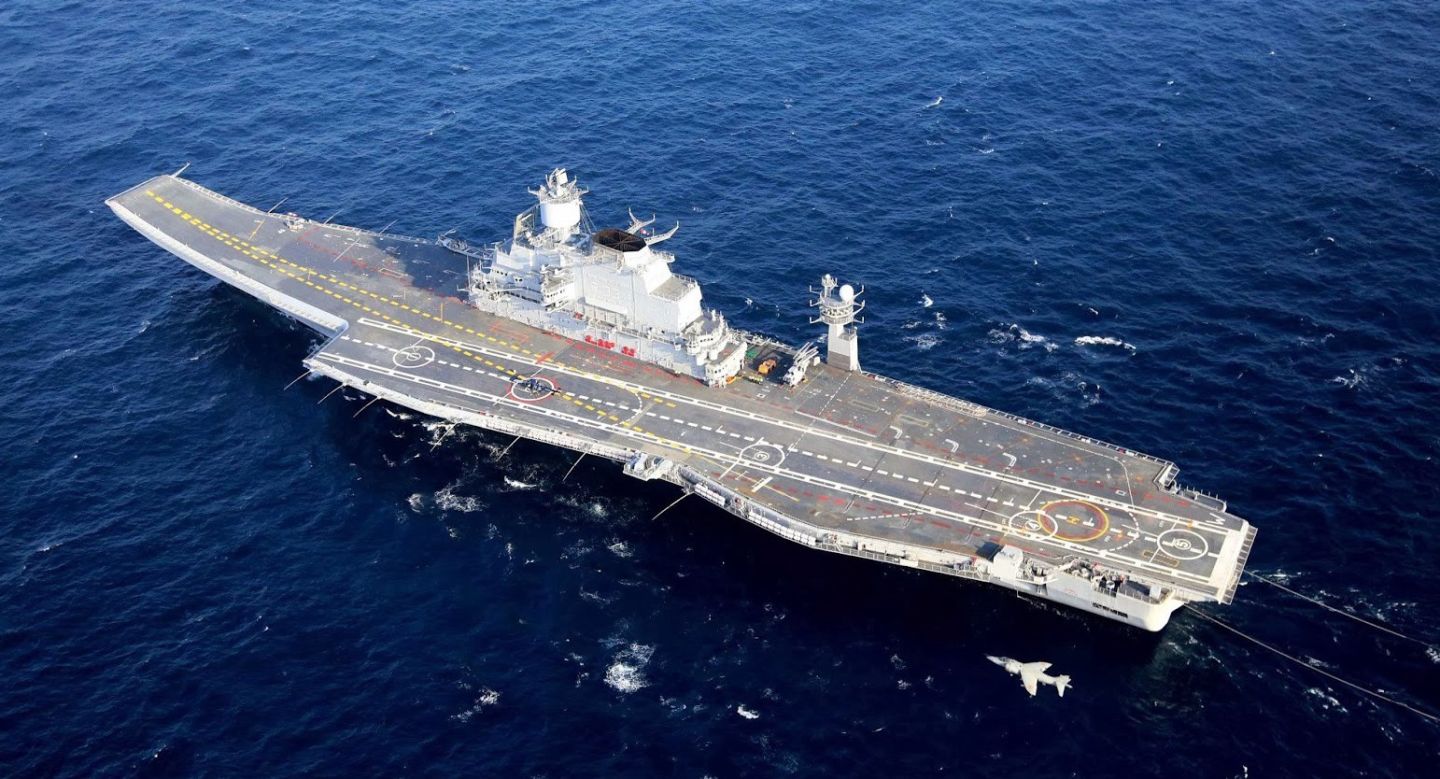
The Ka-31 retains a 360 degree coverage and a detection range of 150km range, and newer variants integrate advanced navigational equipment for digital terrain maps, obstacle approach warning, auto navigation, and auto homing. The aircraft are deployed from both carriers and heavy destroyers, and the commonality of parts with the Ka-27 makes maintenance considerably easier for operators of its anti submarine warfare counterpart. The first Ka-31 aircraft entered service in the Indian Navy in 2003, making it the second operator after Russia and according to some sources the largest operator of the type. The first orders for the helicopters were placed in 1999 for four aircraft, with a further five ordered in 2001. The aircraft are widely deployed from shore based naval air stations, in line with the Indian Navy’s policy of deploying aircraft usually designed for carrier operations from these facilities - another example being its MiG-29K fighters. Indian state owned aerospace and defence company Hindustan Aeronautics Limited has since been commissioned to develop an in air refuelling system for the Ka-31 to improve the fleet's range. The aircraft are set to serve on the upcoming carrier INS Vikrant, and possible on the Navy’s upcoming Visakhapatnam Class destroyers.
