
150 MiG-29s Over Delhi: Indian Military to Expand Fulcrum Fleet with New Acquisitions
Military Watch Magazine Editorial Staff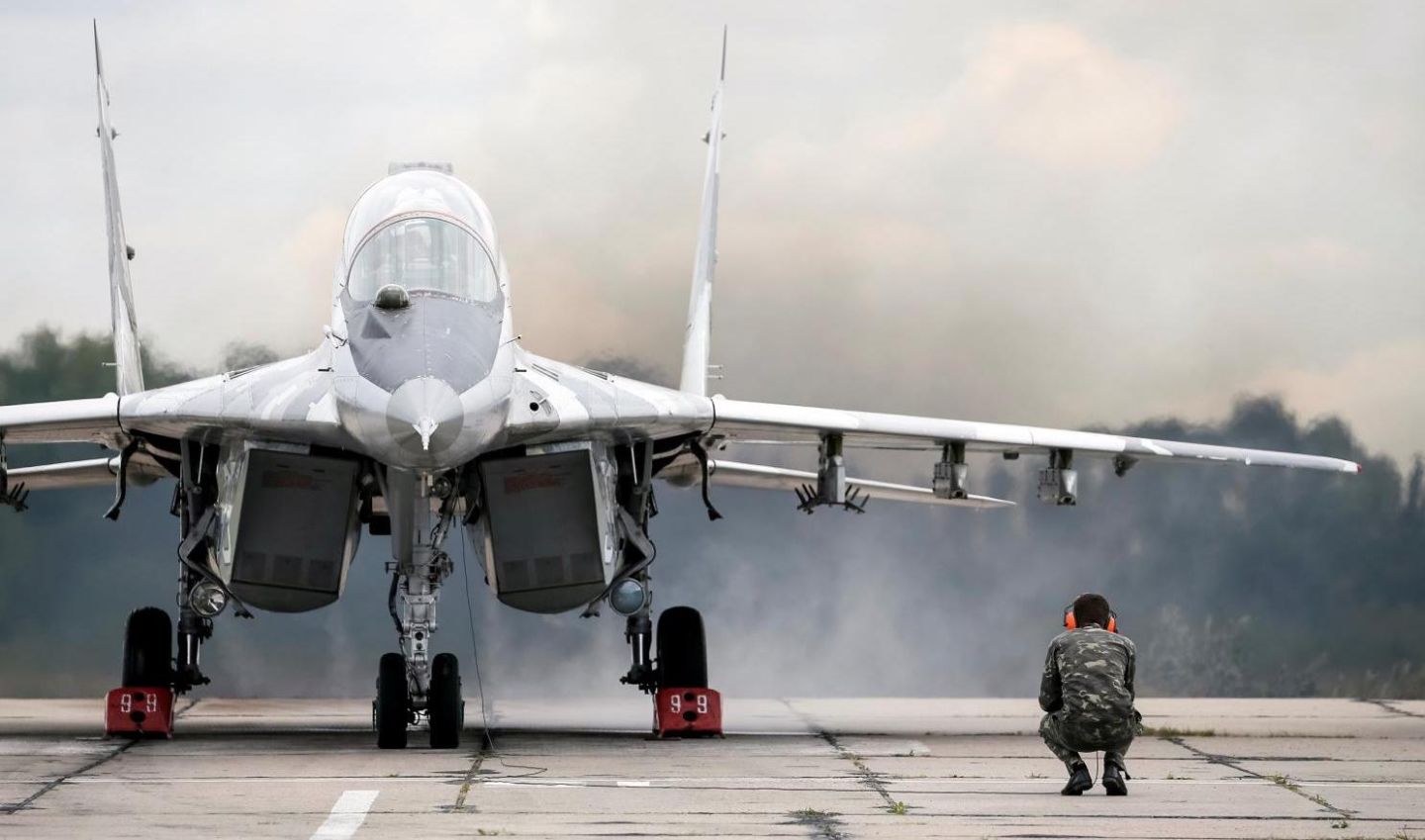
MiG-29SMT Twin Engine Multirole Fighter
The Indian Air Force has recently placed an order for 21 MiG-29 medium weight multirole fighters to enlarge its fleet, following series of crashes which have claimed number of British, French and older Soviet designed jets. The service currently operates approximately 70 MiG-29 fighters, with the Navy operating a further 45 MiG-29K variant designed for carrier operations. The Indian Navy is expected to place further orders for MiG-29K fighters in the near future to deploy from the upcoming carrier INS Vikrant - currently under construction at Cochin Shipyard in Kerala and set to deploy over two dozen fighters from its deck. Several influential figures in the Indian military have long advocated a larger acquisition of MIG-29 fighters and their advanced next generation variants the MiG-35 - both of which are prized for their versatility, reliability and low operational costs making them arguably the ideal platform to fulfil a complementary role to the Air Force’s heavier Su-30MKI air superiority fighters. A contract for the sale of MiG-35 fighters is reportedly currently under negotiation.
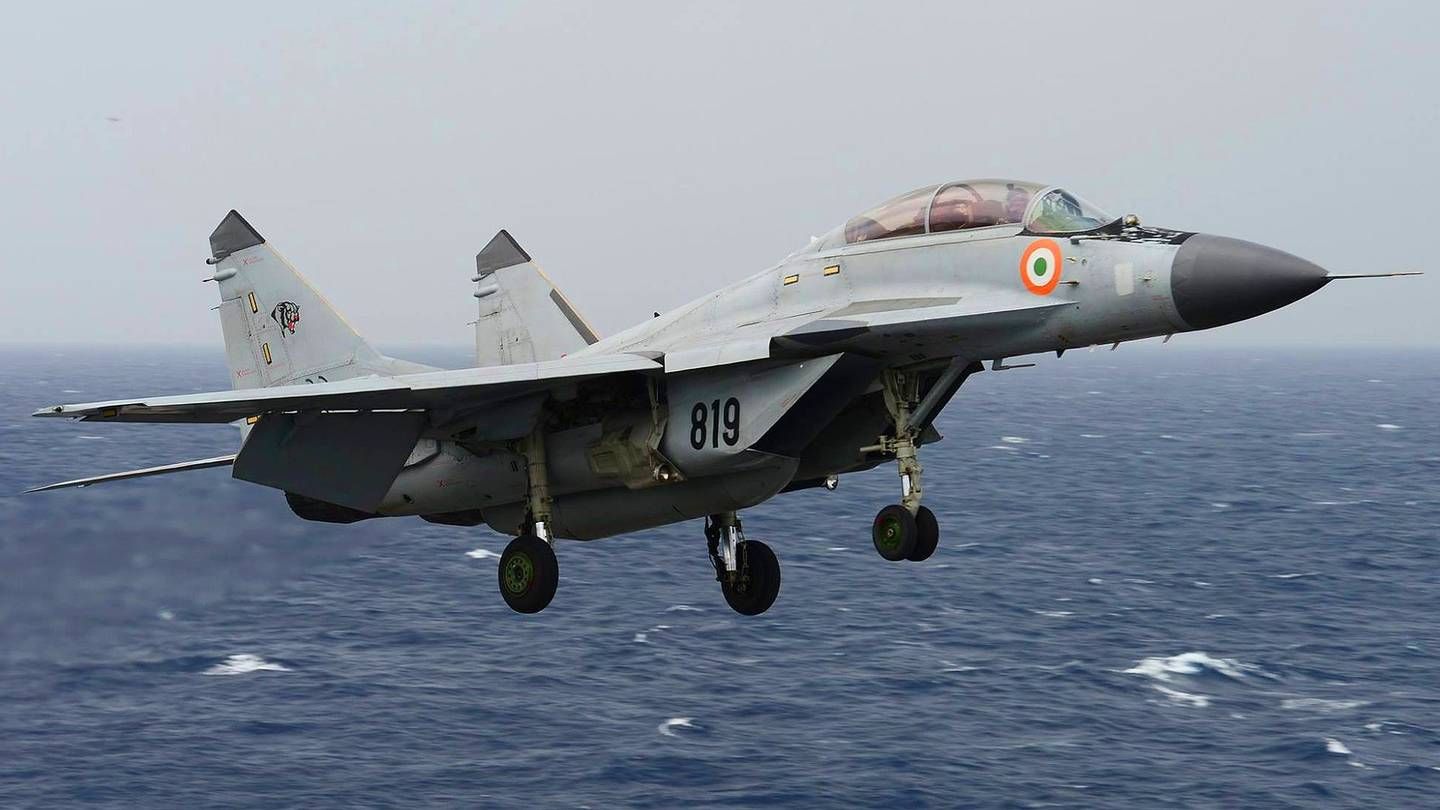
The MiG-29 fighters set to be acquired by India were manufactured for the Soviet Air Force in the 1980s, but never assembled due to the USSR’s collapse and the subsequent contraction of the Russian air fleet. The fighters are set to be assembled with integrated upgrades to the MiG-29UPG standard, which will provide comparable capabilities to the ‘4+ generation’ MiG-29SMT. This will include new avionics and electronic warfare systems, the replacement of the N-109 radar with the more capable Phazotron Zhuk-M and the ability to deploy R-77 beyond visual range air to air munitions. While the MiG-29 is prized for its extreme manoeuvrability, its beyond visual range air to air capabilities are highly formidable when upgraded to field the R-77. This missile fields analogous capabilities to the U.S. manufactured AIM-120C - considerably surpassing the range of missiles such as the MICA deployed by India’s French built Mirage 2000 medium weight fighters.
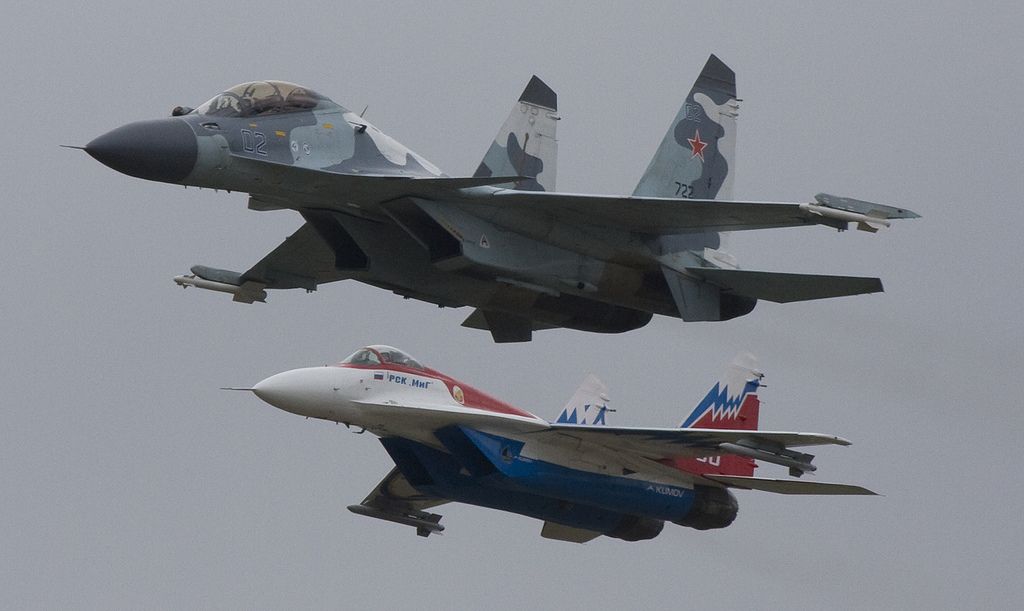
An unnamed Indian Air Force officer involved in the purchase of new MiG-29 fighters stated regarding the acquisition: "These fighters were built in the 1980s but never assembled or flown. Our team visited Russia last month and found the MiG-29 skeletons to be in good condition.” The service lives of these fighters will reportedly be extended from 25 to 40 years as part of the upgrade service, meaning the MiG are likely to continue to fly well into the 2050s and possibly beyond. India has a long history operating the MiG-29, having placed its first order for the fighters in 1982 as its first ever export client. While the acquisition of the advanced Soviet aircraft was initially viewed as a key means by which to gain an advantage over the Pakistani Air Force’s F-16 Fighting Falcons, supplied by the United States and performing well against older Soviet and Afghan jets during the Afghan Civil War in a number of border engagements, the fighter has since been allocated a strike role to complement its existing air to air capabilities. The Indian MiG-29 fleet will be just short of 150 fighters once the order is complete, but further orders for MiG-29 and MiG-29K fighters are likely in the near future which will increase this number further. Acquisition of the fighters ultimately represents very likely the most effective and least complex means of expanding the Indian Air Force's fighter fleet to reach the number of squadrons planned by for the mid 2020s - without the complications of introducing new fighter classes such as the MiG-35.
