
India to Wait For Russia’s Enhanced Su-57M1 Fighter Before Expanding Orders - Reports
Military Watch Magazine Editorial Staff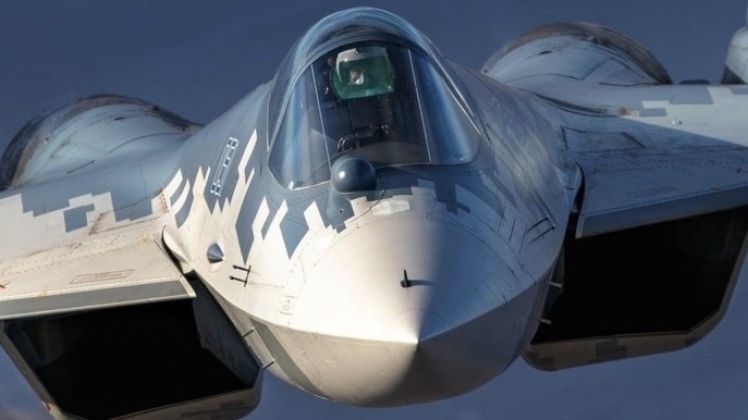
Su-57 Fifth Generation Fighter
Following confirmation from the state intermediary agency for Russian defence exports Rosoboronexport that multiple countries have placed orders for Su-57 fifth generation fighter aircraft, reports from a number of Indian sources indicated that alongside Algeria and Iran, the Indian Defence Ministry has also finalised contracts for procurements. This follows confirmation from the Indian Defence Ministry in January 2026 that talks for the license production of the aircraft had reached an advanced technical stage, a year after it first confirmed that talks were underway. It also follows widespread reports from local sources that the Defence Ministry was considering the near term procurement of 40 Su-57s to rapidly enhance the combat capabilities of the Air Force’s most capable frontline units. before license production could begin to acquire aircraft on a much larger scale beginning at a later date.
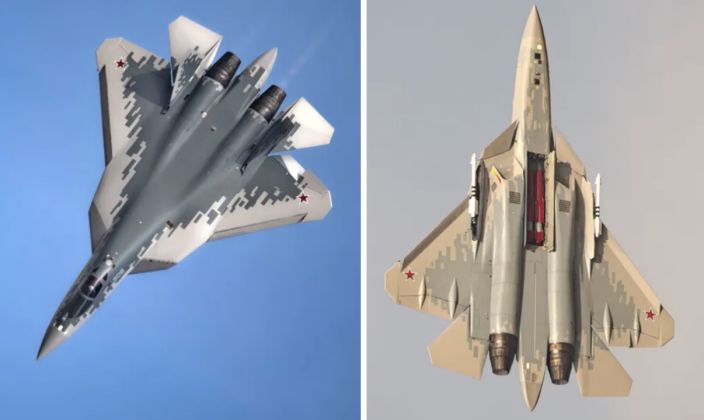
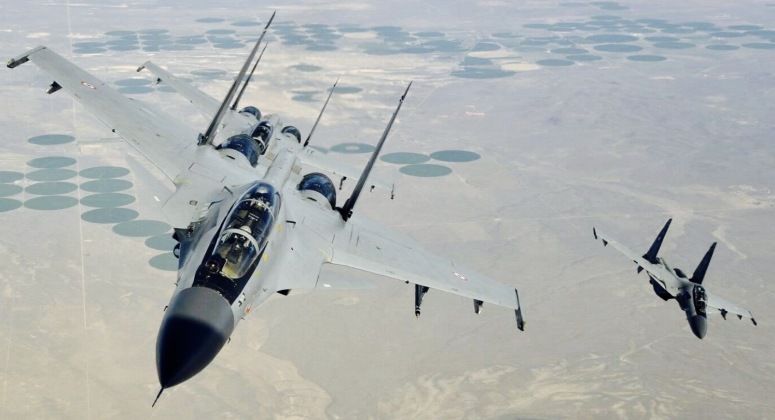
An informed local source has reported that the Indian Air Force intends to procure the enhanced Su-57M1 variant on a large scale under a license production deal. The source added that the Defence Ministry appears to have proceeded with procurements of currently available variants ‘off the shelf’ from Russia, with the finalisation of a license production deal pending availability of the Su-57M1 for export. This would mirror the procurement of Su-30MK fighters in the late 1990s until the much more capable Su-30MKI variant was ready for production in the early 2000s. The existing Su-57 would still represent by far the most capable fighter type in Indian Air Force service, and would serve to familiarise pilots and maintenance personnel with the aircraft before more capable variants are procured on a much larger scale from local production lines.
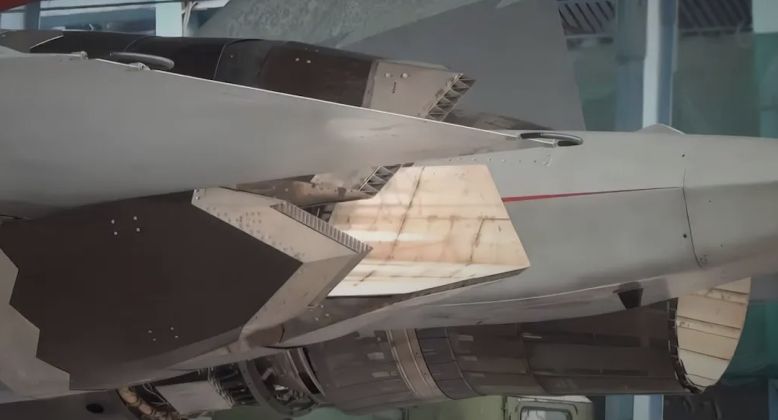
The Su-57M1 is expected to integrate the new AL-51F-1 engine, placing the fighter ahead of the F-22 and potentially on par with the Chinese J-20 in its total thrust, while significantly reducing maintenance requirements and improving availability rates. The aircraft is reported by Russian state sources to have a widened airframe providing greater aerodynamic lift and improved stability at supersonic speeds. Its flatter fuselage and internal weapon bays will further improve stealth capabilities. The fighter will also integrate a more advanced primary sensor to replace the N036 radar, which was the first AESA radar ever integrated onto a Russian fighter. Acquiring the Su-57M1 will significantly narrow the currently tremendous gap in capabilities between top tier Indian and Chinese fighter units, while providing a decisive advantage over the Pakistan Air Force’s Chinese-supplied J-10C fighters.
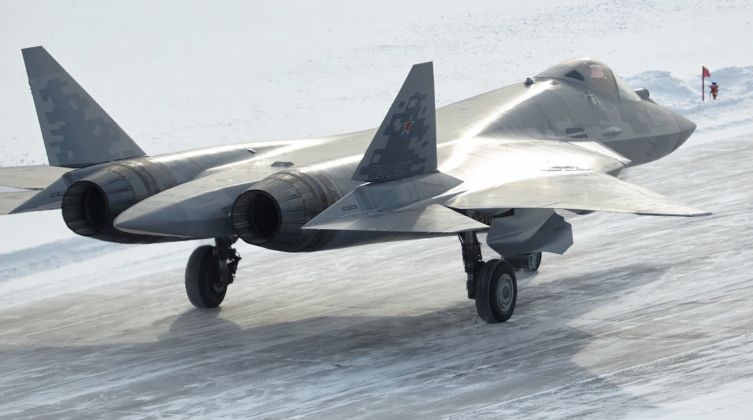
The Su-57M1 is expected to serve as a basis for the development of a Su-57 variant heavily customised to meet Indian requirements and integrating local subsystems, likely mirroring the Su-30MKI in receiving growing local customisation over a long production run. The Russian Defence Ministry was June 2025 reported to have made an unprecedented offer to provide full access to the fighter’s source code, while in December 2025 Director of the Russian Federal Service for Military-Technical Cooperation Dmitry Shugayev alluded to the possibility of a fully joint program to develop a new Su-57 variant being pursued. This indicated that the degree of customisation and Indian ownership of technologies could be considerable greater than for the Su-30MKI. Taking the Su-57M1 as the basis for developing an indigenous customised variant, rather than beginning customisation based on the much less capable baseline design, would likely prove far more effective.
With the U.S. F-35 and Chinese fifth generation fighters being excluded from consideration for political reasons, the Su-57 represents India’s only option to procure fifth generation fighters in the near term. This is particularly significant as the indigenous AMCA stealth fighter program has continue to suffer from serious delays, with current projections indicating it will only bring a fighter into service in the 2040s. Much like the Su-30MKI, of which over 270 were procured, acquisitions of the Su-57 are expected to be made on a particularly large scale. A variant of the Su-57M1 customised to Indian requirements, including with the addition of a second seat and indigenous avionics, may have the potential to compete with the baseline Su-57 on export markets, with joint technology ownership potentially making this highly profitable for India’s defence sector.
