
China Confirms J-10C Fighters Flown By Pakistan Shot Down Multiple Indian Aircraft
Military Watch Magazine Editorial Staff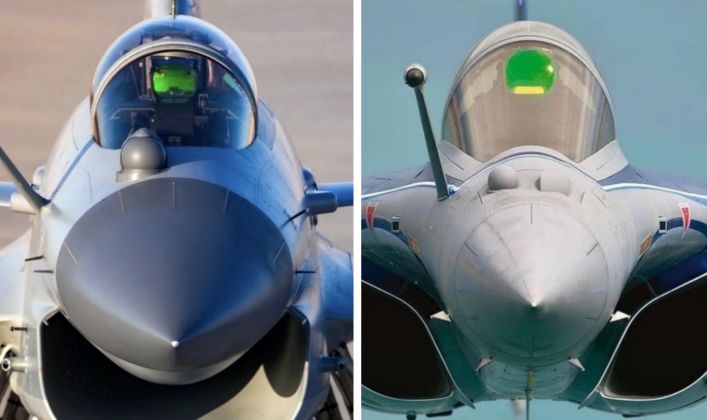
J-10C (left) and Rafale Fighters
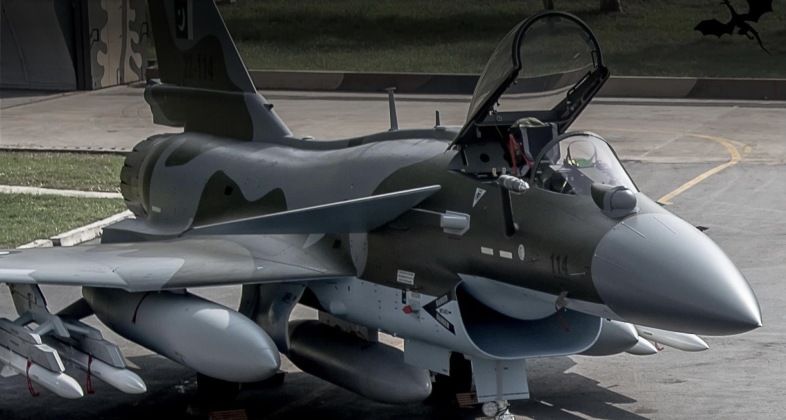
Chinese official sources have provided the first confirmation of the J-10C fighter’s reported combat successes in the hands of the Pakistan Air Force, with the State Administration of Science, Technology and Industry for National Defense on January 12 stating that the aircraft shot down several adversary aircraft in an aerial engagement without suffering losses. The engagement was confirmed to have taken place in May, during which the aircraft “shot down several enemy aircraft in real combat conditions while incurring no losses,” emphasising that this was a milestone for Chinese fighter export programs. Other than the much lighter JF-17, the J-10 is the first fully indigenous fighter type China has exported, and is the lightest and least costly of four fighter types currently being produced for the country’s air force, with the other three being heavyweight J-16 and the J-20 and J-35 fifth generation fighters.
In early May the Indian Armed Forces initiated of Operation Sindoor, which involved a series of strikes against targets in Pakistan and disputed Kashmir, and resulted in the shooting down of between one and four Rafale fighters alongside other fighter types. The loss of a Rafale caused a pubic relations disaster for the Indian Defence Ministry, with the procurements under an $8.7 billion deal for 36 fighters having been highly controversial from the outset, and pricing the aircraft at over $241 million each. This cost fuelled allegations of corruption in the procurement process, with the Rafale being a relatively lightweight aircraft with the weakest engines of any fighter in production in the world, a relatively small radar, and a much more limited range than larger aircraft such as the Su-30MKI or J-16. Indian defence sources deflected criticism by asserting that the Rafale would provide tremendous superiority over the Pakistan Air Force, and facilitate the shooting down of Pakistani fighters deep into the country’s own airspace.
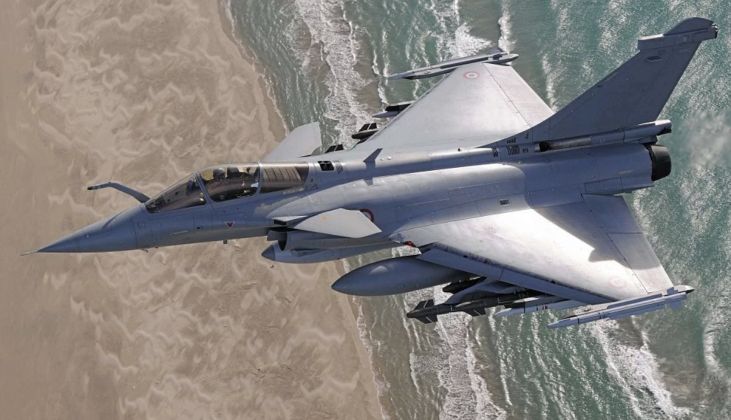
The results of the J-10C’s successes in air-to-air engagement with Europe’s most capable fighter type have had considerable implications for China, India and multiple other actors on global fighter markets. Following the significant prestige which China’s fighter industry gained by becoming the first in the world to bring six generation fighter programs to flight prototype stages, combat successes further increased foreign interest in procuring Chinese fighters despite persistent Western political pressure on countries across the world not to do so. Indian defence and civilian officials would meanwhile provide little comment on the Rafale, while instead stressing the significant successes of the Russian S-400 ground-based air defence system against Pakistani forces, and moving to sign contracts for further procurements. The outcome of the engagements is also speculated to have further deepened the Indian Defence Ministry’s already significant interest in procuring Russian Su-57 fighters under a license production deal.
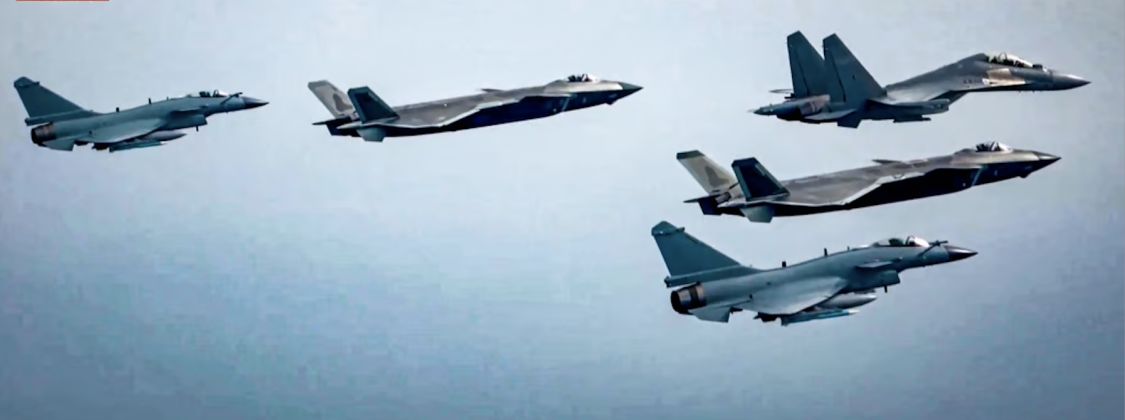
Despite its light weight, the sophistication of the J-10C has allowed it to achieve considerable successes in simulated engagements with several much more capable fighter types, including consistently far outperforming Russia’s most capable air superiority fighter the Su-35 during engagements in the early 2020s. Its PL-10 and PL-15 missiles have provided it with a particularly significant advantage, while its cutting edge data links allow it to engage targets using offboard sensors, as was reportedly done during engagements with Indian forces. The fighter utilises a wide range of technologies from China’s J-20 fifth generation program, and may in future integrate a number of sixth generation fighter technologies as China’s defences sector is poised to lead the world by several years in bringing these into service.
