
Indian Air Force Plans Procurement of 40 ‘Off the Shelf’ Su-57 Fifth Generation Fighters From Russia to Rapidly Boost Air Power
Military Watch Magazine Editorial Staff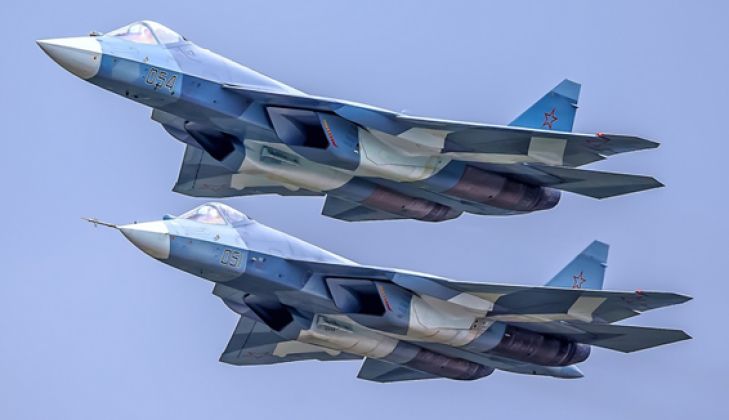
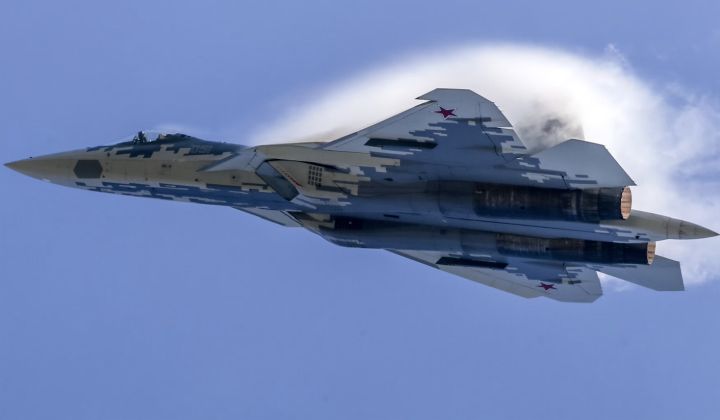
Su-57 Fifth Generation Fighter Prototypes
The Indian Defence Ministry is considering the near term procurement of 40 Russian Su-57 fifth generation fighters to rapidly enhance the combat capabilities of the Air Force’s most capable frontline units, according to a report from the local NDTV TV channel. The report indicated that the procurement of the Su-57 is seen as an important measure to strengthen the country's ability to handle growing security challenges. A figure of 40 off the shelf fighters was previously raised as a precursor to a larger license production deal for a minimum of 100 fighters, possibly with significant levels of customisation under a joint program. This would mirror the procurement of 50 Su-30MKI ‘4+ generation’ fighters from Russian production lines from 2001, after which over 220 additional fighters were produced under license in India.
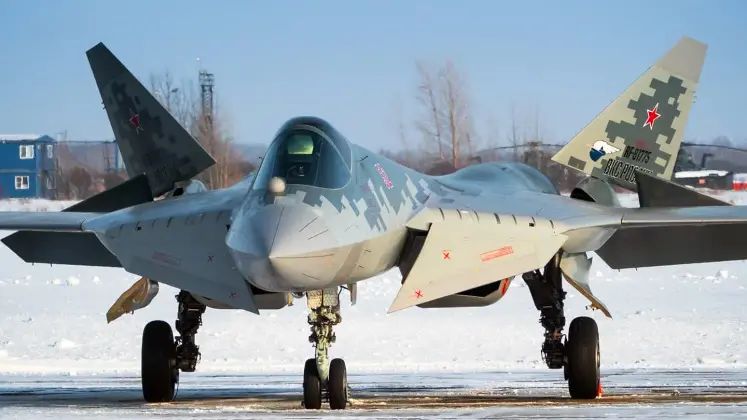
The first delivery of Su-57 fighters to a foreign client was reported in November 2025, with the aircraft confirmed to have become operational in the Algerian Air Force. This was followed by the release of the first footage of their operations in Algerian service in the first week of February. Within days of the footage’s release, Russian Industry and Trade Minister Anton Alikhanov announced that contracts had already been signed in the Middle East region for the export of the Su-57, observing that “some contracts have been signed, though I cannot disclose the details.” Iran is considered the most likely client in the region. The Su-57 is considered India’s only near term option to procure fifth generation fighters, with other fighters produced by both China and the United States remaining excluded for political reasons, the former due to ongoing border disputes, and the latter due to considerable restrictions placed on the levels of autonomy with which they can be used.
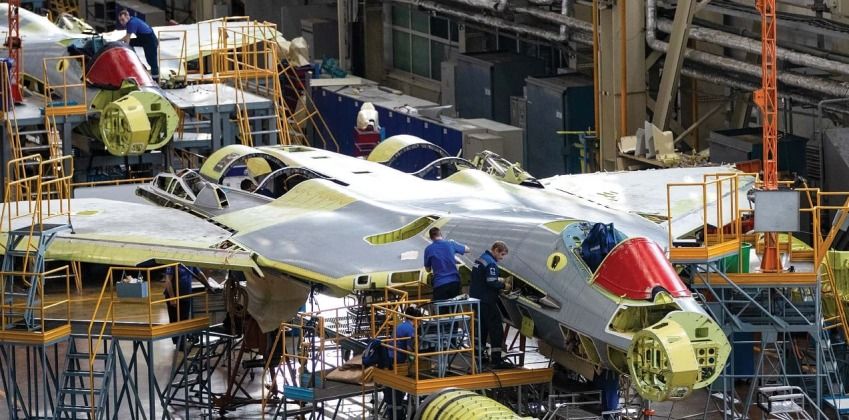
Assessments of possible Indian procurements have centred around three primary possibilities, including ‘off the shelf’ orders, license production with conservative changes, and a more ambitious joint program under which the aircraft is heavily adapted to integrate local Indian-designed subsystems. The most likely option appears to be that orders for Russian-built fighters will be placed to quickly equip equip two to three initial squadrons, after which deliveries from local production lines will begin, either for similar aircraft or for a highly customised variant. Another possibility is that the level of customisation and inputs of indigenous subsystems will be planned to increase over successive production batches. This would mirror the Su-30MKI’s significant increase in indigenous inputs over more than 15 years of license production, including not only Russian-designed components built under license, but also in a small but growing number of cases locally designed subsystems.
Commenting on the possibility of a deeply customised Su-57 variant being brought into service, Indian Air Force Group Captain M. J. Augustine Vinod noted in January 2026 that the combination of the Russian airframe and engines with local avionics and other subsystems could be particularly potent. “When you combine the exceptional aerodynamics of Su-57 and the Indian avionics and software to it, you have an airplane much better than the F-35,” he claimed. Indian sources have widely speculated that a miniaturised variant of the Virupaksha AESA radar currently under development for the Su-30MKi could be integrated onto the Su-57. The radar will reportedly use an antenna with a 950mm diameter and approximately 2400 transmitter/receiver modules, and gallium nitride technologies for improved efficiency. The ability of Indian industry to provide a competitive airborne radar and other subsystems by the mid-2030s remains in question.
In February 2025 it was confirmed that a license production agreement for the Su-57 was being considered. Eleven months later the Indian Defence Ministry in January 2026 confirmed that these talks had reached an advanced technical stage. In June 2025 the Russian Defence Ministry was reported to have made an unprecedented offer to provide full access to the Su-57’s source code as part of a license production deal, while Director of the Russian Federal Service for Military-Technical Cooperation Dmitry Shugayev six months later in December alluding to the possibility of this reaching the stage of a fully joint program. This would prove India with joint ownership of key technologies, and potentially allow a jointly developed variant with Indian avionics to be exported as an alternative to fully Russian variants. Offers of customisation and high autonomy in operating and modifying the aircraft contrast sharply with the strict controls which Western suppliers have placed over their fifth and even fourth generation fighters.
