
China’s Heavily Enhanced New ’5+ Generation’ J-20A Fighter Shown in Landmark Testing
Military Watch Magazine Editorial Staff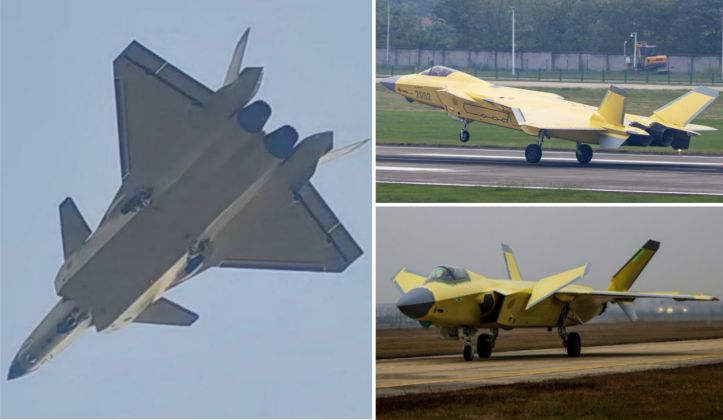
J-20A Fighter with WS-15 Engines
Footage released by the primary developer of the J-20 fifth generation fighter, the Chengdu Aircraft Industry Group, and for the first time shown several of the new and heavily enhanced J-20A variants undergoing test flights in January 2026. The firm announced that the aircraft has successfully completed the systematic test flight organization and training of ten types of aircraft across five locations, which and specifically noted that this included manned and unmanned operations, which are expected to be one of the new defining features of the J-20A. Tests occurred at both indoor and outdoor test sites, while the aircraft were confirmed to have also completed research and development and acceptance test flights.
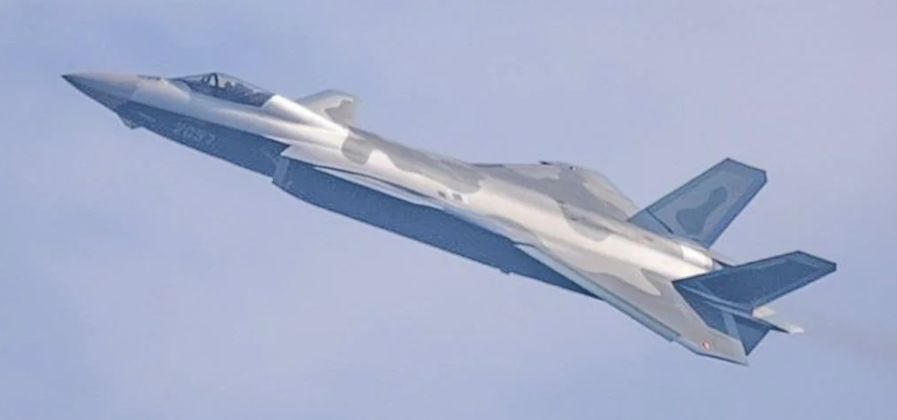
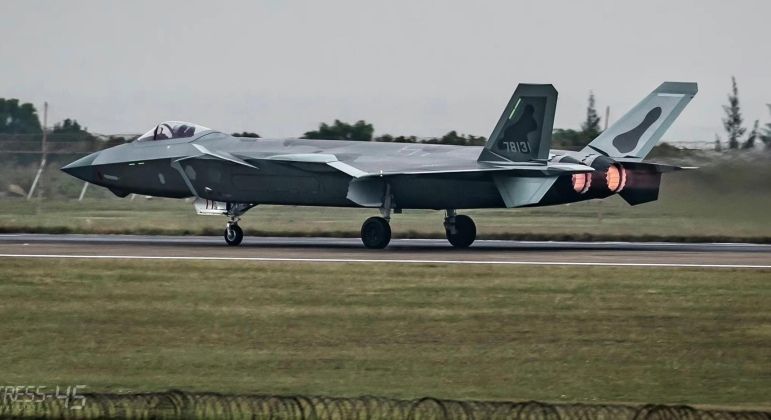
Although the designation J-20A was previously widely used by analysts to refer to J-20 fighters brought into service from 2021, and integrating the indigenous WS-10C engines, these aircraft have since been confirmed to use the baseline ‘J-20’ designation, much like the original 40 production models produced in the 2010s which used inferior Russian-supplied stopgap engines. The J-20A instead refers to a new variant with a revised airframe design, with the most conspicuous difference being its redesigned rear canopy which reduces aerodynamic drag, enhances its efficiency in supersonic flight, and is likely to further improve stealth capabilities. The new variant integrates the WS-15 next generation engine, with the first footage of a serial production fighter with the new powerplant having been published in late December 2025.
Commenting on the new footage of the J-20A fighters, Chinese military affairs commentator Song Xinzhi assessed when speaking to state media it indicates that light testing is intended not only to verify whether the fighters meet performance standards, but also to test the integrated operational capabilities of the entire aerial combat system. This testing includes manned-unmanned collaboration, and the verification of theoretical calculations through actual test flights. This also involves the air-ground collaborative command of multiple aircraft types across multiple bases, with the J-20 expected to serve in key roles both as a combat node and as a command node. The ability to provide command and control for unmanned aircraft is expected to be a defining feature of sixth generation fighters, with fifth generation fighters enhanced with such capabilities meaning one of the key requirements for what is increasingly been defined as the ‘5+ generation.’
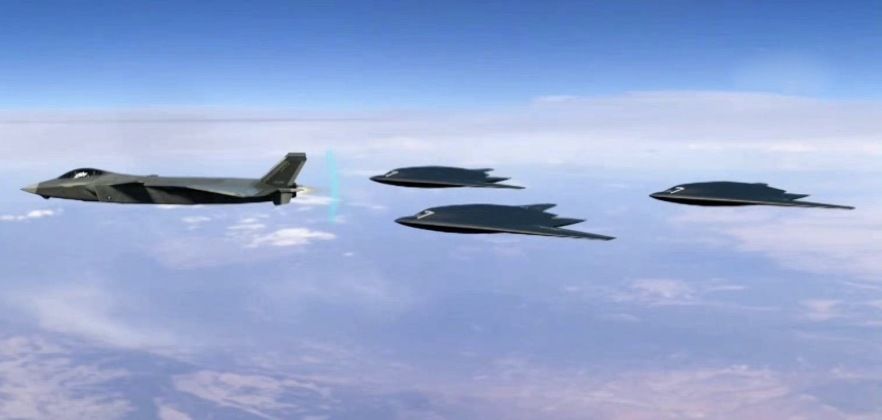
Song assessed that the new kind of systematic flight testing seen in the footage released by Chengdu has completely transformed the aviation industry's traditional model, which previously focused solely manufacturing and conducting performance inspections. The manufacturing of a whole new combat system, and exploring innovative operational approaches, may be a response to the new levels of operational complexity which the J-20A is expected to pioneer, likely with the integration of new avionics and data links that are well suited to such operations. The fighter has been speculated to integrate a new radar and use new composite materials in its airframe, while the WS-15 provides it with more thrust and power than any other fighter type in the world, and with by far the longest high supersonic cruising range.
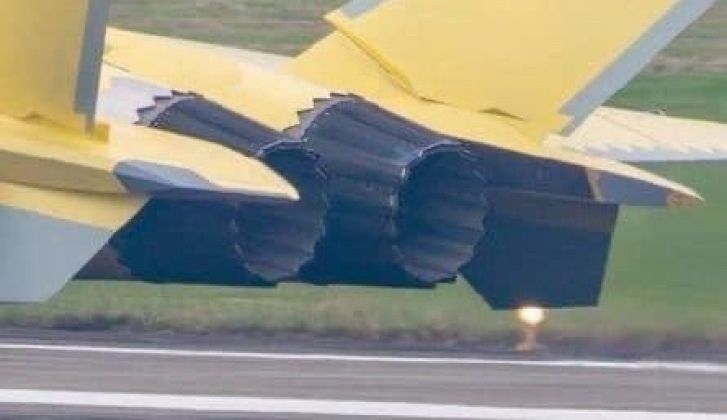
The integration of the WS-15 has long been anticipated, with the engine first seen integrated onto the J-20 in single configuration for a test flight in January 2022, before it was subsequently first flown in twin configuration in June 2023. It significantly improves all aspects of the J-20’s flight performance, as well as its range, while providing greater power to onboard subsystems and reducing maintenance requirements. With its capabilities improving significantly, the J-20 is being brought into service by the Chinese People’s Liberation Army Air Force much more rapidly than any other fighter type by any other service in the world, with the Air Force expected to field approximately 1000 of the aircraft by 2030.
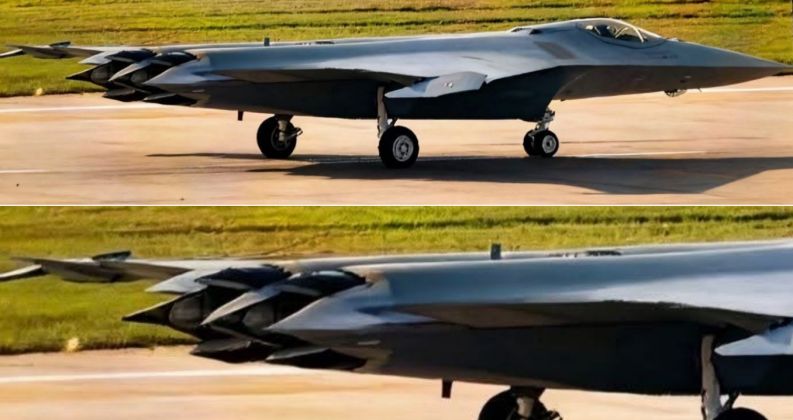
A recent RUSI report particularly emphasised the growing “sophistication and realism” of fighter training “especially in the J-16 and J-20 fleets.” “Aircrew routinely fly complex training and demonstration of force sorties involving fighters, bombers, tankers and AEW&C aircraft, in coordination with each other and with PLAN surface action groups. This is especially noteworthy around Taiwan and in the Sea of Japan,” it observed. The J-20 was in January deployed for a particularly significant show of force flying deep into Republic of China controlled territory near the southern tip of Taiwan island, which is a leading potential hotspot for conflict. Despite the J-20’s increasingly advanced capabilities and central role in China’s defence, the development of three separate sixth generation long range fighter types, the first of which is scheduled to enter service in the early 2030s, has raised questions regarding the future of the fifth generation program and whether the aircraft may be phased out of production in little over half a decade.
