
India’s First Stealth Fighter Program Faces Mounting Delays: Larger Imports of Russian Su-57s Increasingly Likely
Military Watch Magazine Editorial Staff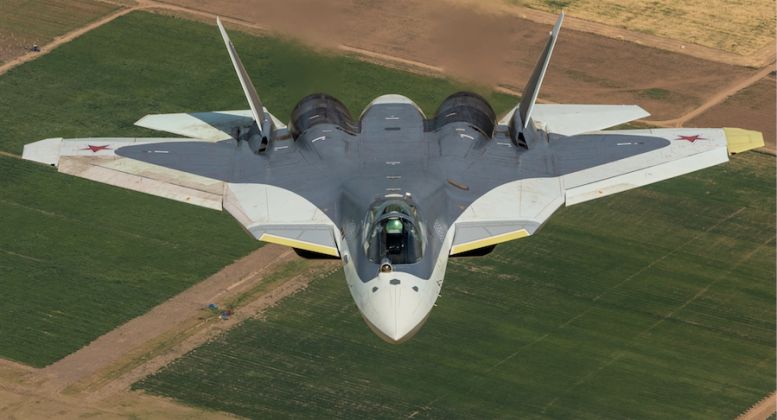
Su-57 Fifth Generation Fighter Prototype
The Indian Advanced Multirole Combat Aircraft (AMCA) fifth generation fighter program has faced further delays, with the first flight of the AMCA Mk1 prototype having been postponed. The aircraft was initially planned to make its first flight in 2028 or 2029, before entering service in 2033 or 2034, with the Indian Defence Research and Development Organisation now planning to operationalise it only in 2034 or 2035. No prototypes or components of the aircraft have been publicly revealed to date, raising serious questions regarding its viability. The AMCA Mk2 variant, which will use a locally built 120 kN engine, was previously expected to enter service by 2038, with this potentially also having been delayed.
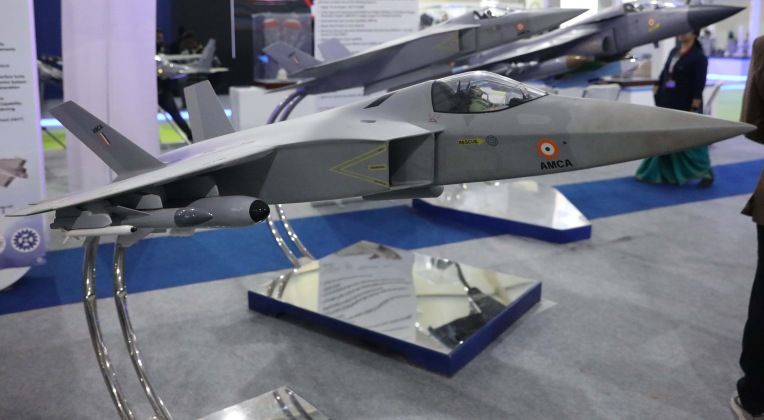
Indian Defence Minister Rajnath Singh approved work to proceed on the AMCA program in May 2025, with the Defence Ministry referring to this as providing "a significant push towards enhancing India's indigenous defence capabilities and fostering a robust domestic aerospace industrial ecosystem.” The program has been under development for close to a decade, with the state owned aerospace and defence company Hindustan Aeronautics Limited having begun the detailed design phase in February 2019. Consistent delays affecting even far less ambitious or complex programs, most notably the Tejas lightweight fourth generation fighter, have resulted in highly pessimistic projections regarding the viability of the AMCA program producing a viable fifth generation frontline fighter within the next 15 years.
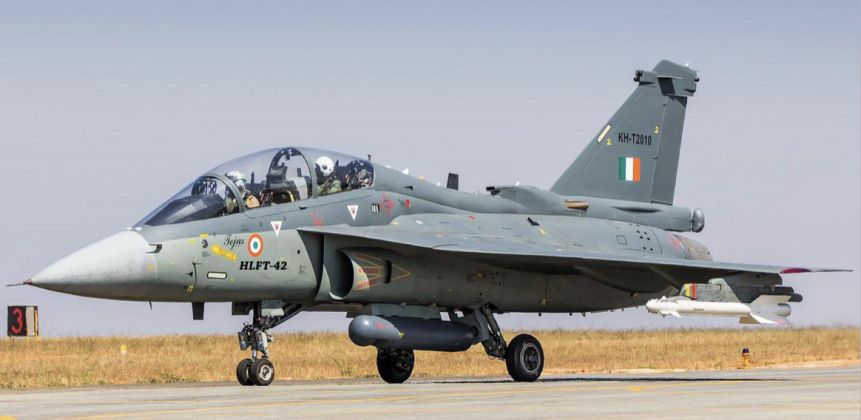
Former financial advisor to the Indian finance ministry Amit Cowshish in 2022 projected based on the precedent set by the Tejas that “AMCA will take much longer to develop than is being currently projected.” The limited scale of research and development in India, and the less that cutting edge degree of sophistication of the country’s industrial base, are among the primary factors fuelling pessimistic projections regarding the ambitious program’s viability. Although the Tejas made its first flight in January 2021 following decades under development, the first aircraft were only accepted into service 18 years later in February 2019. A heavy reliance on Israeli avionics and U.S. engines has resulted in a cost of approximately $72 million per aircraft as of 2025, comparing poorly to other more capable fighters types, such as the Su-30MKI which forms the backbone of the fleet, or the Russian Su-57 fifth generation fighter which is procured by the Russian Defence Ministry for just $35 per aircraft at times when the rouble is low against the U.S. dollar.
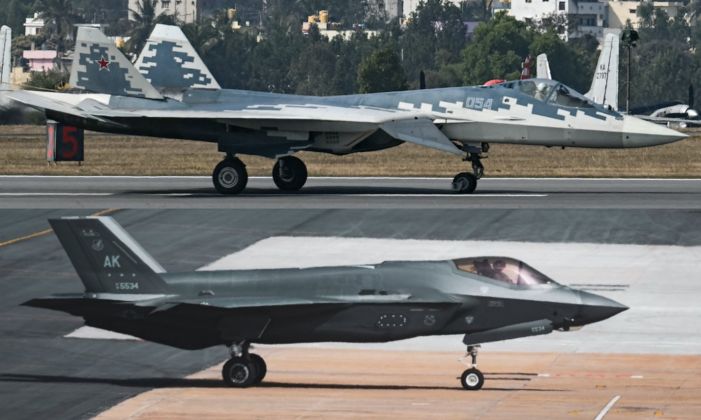
Delays to the AMCA program are expected to increase India’s reliance on the Su-57 to bring its fleet up to a fifth generation level, with Indian defence analysts having specifically pointed to the Russian fighter as a stopgap until the AMCA can produce a fighter ready for frontline service. Former Air Marshal Anil Chopra observed to this effect in February 2025 that although the AMCA was expected to reach prototype stage within 11 years: “Realistically – it may take more time... By 2035, China could have around 1,500 J-20s [fifth generation air superiority fighters] when India optimistically plans to induct the AMCA.” Chopra noted the existence of “a school of thought that India may need to acquire an interim imported fifth-generation aircraft,” while observing that the rival American F-35 was not considered a viable option for political reasons. The extreme levels of control and limitations on autonomy imposed by Washington are further factors that have ruled it out.
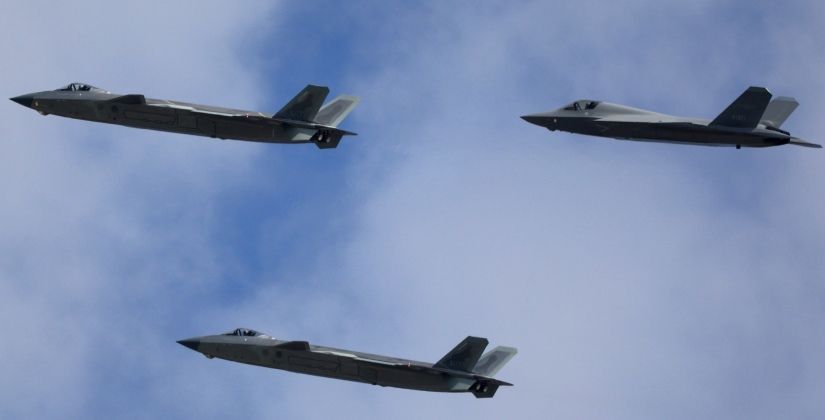
Summarising how the state of the AMCA program was closely related to the perceived need for the Su-57, Marshal Chopra observed: “India must invest more and take a task-force approach for developing the LCA Mk2 and AMCA, it needs an interim solution to make good numbers and reduce capability gap with China. Options are limited, and acquiring a few Su-57s remains a viable interim choice.” Three months after his assessment was made, the perceived serous underperformance of India’s Rafale fighters, which were the only new fighter type brought into service in the country in the preceding decades, against Pakistan’s Chinese-supplied J-10C fighters, was considered to have further increased the perceived urgency of quickly procuring the Su-57.
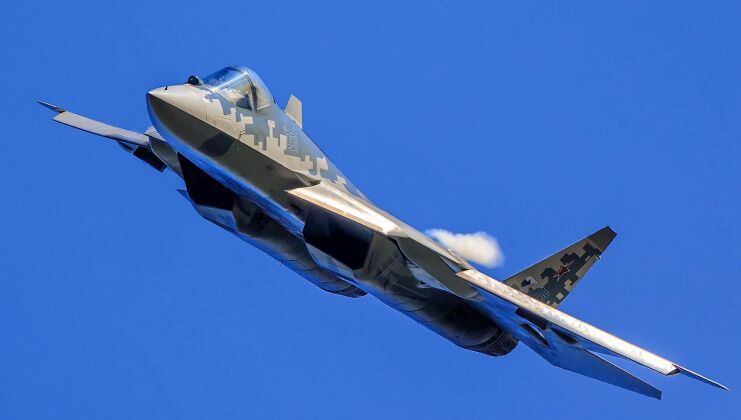
The Indian Defence Ministry was confirmed in late January to have reached an advanced technical stage in talks to produce the Su-57 under license, under a deal which reportedly will include a minimum of 140 aircraft. It remains highly possible that planned Su-57 procurements will increase gradually should the AMCA face a continued series of delays and performance issues as the Tejas did. This would hardly be unprecedented, with the Su-30MKI seeing more exports to India from 2002 than any other ‘4+ generation’ fighter did to any single client, with over 270 procured over time. The state of the Tejas program is considered to have been among the primary factors in the decision to place followup orders for further Su-30 fighters, although the industrial benefits of the license production deal, which included growing percentages of indigenous inputs over time, were also significant.
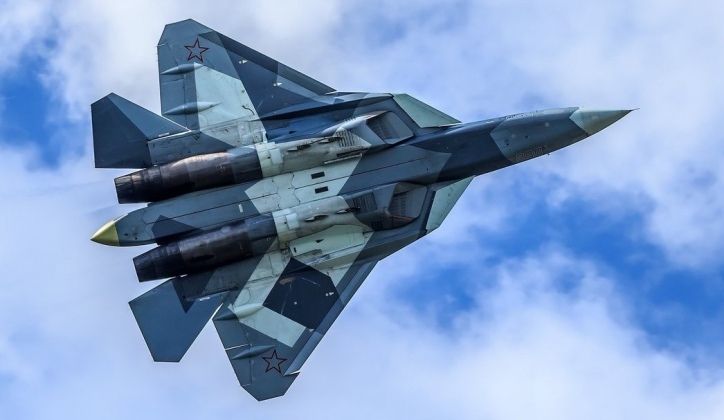
Delays to the AMCA program are expected to further increase the attractiveness of fielding a large Su-57 fleet, and should the fighter not enter service until the 2040s, which currently appears likely, then an Indian Su-57 fleet reaching close to 250 fighters remains highly possible. The Russian Defence Ministry has made an unprecedented offer to provide full access to the aircraft’s source code as part of a license production deal, which will place Indian Su-57s entirely in a league of their own among fighters of their generation in their levels of customisability and the degree to which they they can integrate indigenous technologies. Director of the Russian Federal Service for Military-Technical Cooperation Dmitry Shugayev in December alluded to the possibility of this reaching the stage of a fully joint program. Should a very high level of indigenisation of the Su-57 be achieved, including the integration of predominantly Indian-origin avionics and weaponry, it remains highly possible that the program will come to be seen as an alternative to the AMCA should the latter program face comparable difficulties to the Tejas.
