
India’s Controversial Tejas Lightweight Fighter Marks 20 Years Since First Flight
Military Watch Magazine Editorial Staff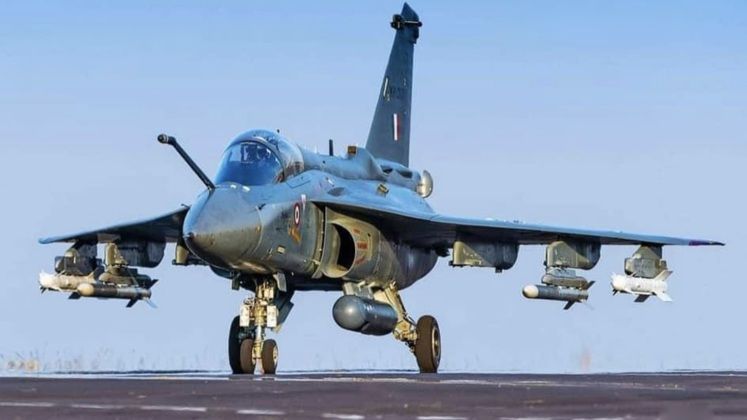
Indian Tejas Lightweight Fighter
January 4th 2021 marks 20 years since India’s Tejas lightweight fighter jet made its first flight after almost 30 years under development. The Tejas was designed as a low cost multirole aircraft with fourth generation capabilities, and has spent longer in development preceding its entry into service than any other aircraft of its generation. The fighter was only accepted by the Indian Air Force in February 2019, meaning over 18 years had passed since its first flight. The fighter program became highly controversial within that time due to the considerable cost and repeated very significant delays in development, and the fact that although it was a relatively basic design with decades of research and development behind it, it was increasingly becoming apparent that the fighter was only indigenous to a limited extent. When finally entering service, the Tejas relied heavily on Israeli sensor and electronic warfare technologies, Russian armaments, and American F404 engines - the same engine design as that used by the U.S. Navy’s now retired Cold War era F-18C Hornet Fighter and the Swedish Gripen C lightweight fighter. This gives it the lowest thrust of any single engine fighter in production at around 79kN with afterburner. Looking to rival single engine designs, the Sino-Pakistani JF-17 Block 2 has 92kN thrust, the American F-16C has approximately 130kN.
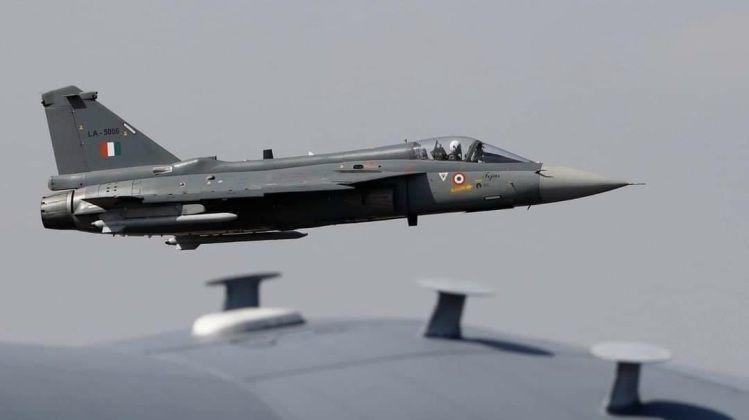
The Tejas is expected to replace over 350 MiG-21BiS fighters in service, with the MiGs having been acquired during the Cold War from the Soviet Union and heavily upgraded with Russian and Israeli assistance to provide fourth generation capabilities. These upgrades, ranging from highly sophisticated R-77 active radar guided air to air missiles to modern electronic warfare systems, have allowed squadrons of the lightweight fighters to remain viable until the Tejas belatedly entered service. With India looking to reduce expenditures on foreign arms imports, and cancelling the MMRCA tender for a new class of foreign fighter in May 2020, the Tejas could also replace aircraft beyond the MiG-21 including the MiG-27 and Jaguar jets, as well as forming entirely new squadrons as part of the Indian Air Force’s fleet expansion plans. The design is expected to continue to be improved over time, although its cost at approximately $62.7 million per airframe, which is high considering purchasing power in the Indian economy and the aircraft’s light weight, may well be prohibitively expensive.
