
Did India Just Cancel the Biggest Fighter Jet Tender of the Decade? Delhi Looks to Tejas Platform to Replace MMRCA Competitors
Military Watch Magazine Editorial Staff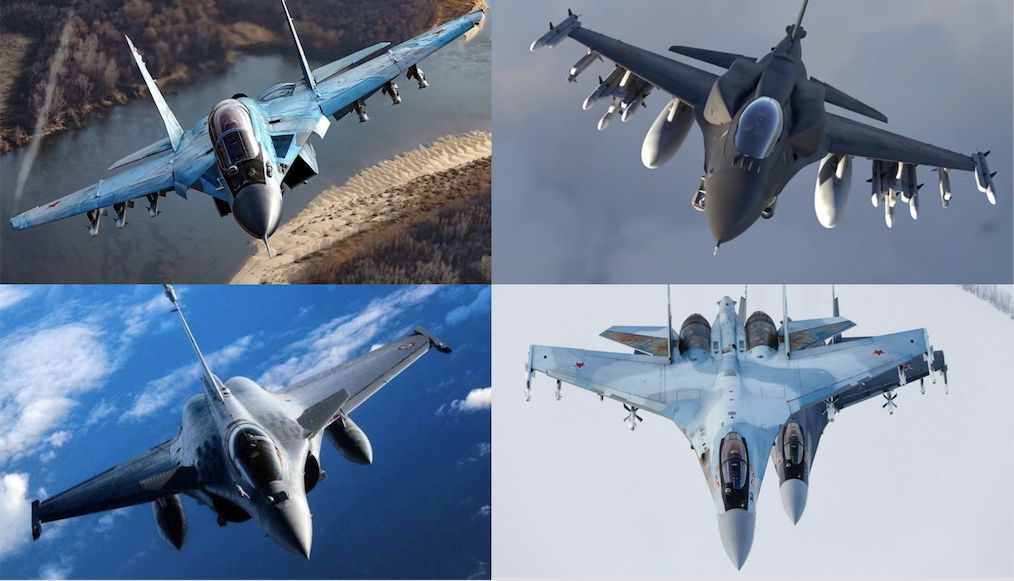
MiG-35, F-21, Su-35 and Rafale Fighters (clockwise from top left)
India’s Defence Ministry has indicated that the medium weight multi role combat aircraft (MMRCA) competition to provide the Air Force with a next generation fighter jet may be cancelled, in favour of further investment in the indigenous Tejas lightweight fighter. Chief of Defence Staff Bipin Rawaat stated that the Indian Air Force “is switching to the LCA (Tejas),” which would cost just $6 billion to meet the country’s defence needs in place of purchasing foreign models. The MMRCA tender was previously valued at $15 billion, and saw three competing candidates each from Europe and the United States and two from Russia go head to head to provide 114 new aircraft. While it was initially required that the fighters be single engine designs, meaning only the Swedish Gripen E and American F-21 were able to compete, with this restriction removed a wide range of medium and heavyweight fighters entered the competition. These included the medium weight F-18E Block III from the U.S., the Eurofighter and Rafale from Europe and MiG-35 from Russia, as well as the heavyweight Su-35 and F-15EX from the U.S. and Russia.
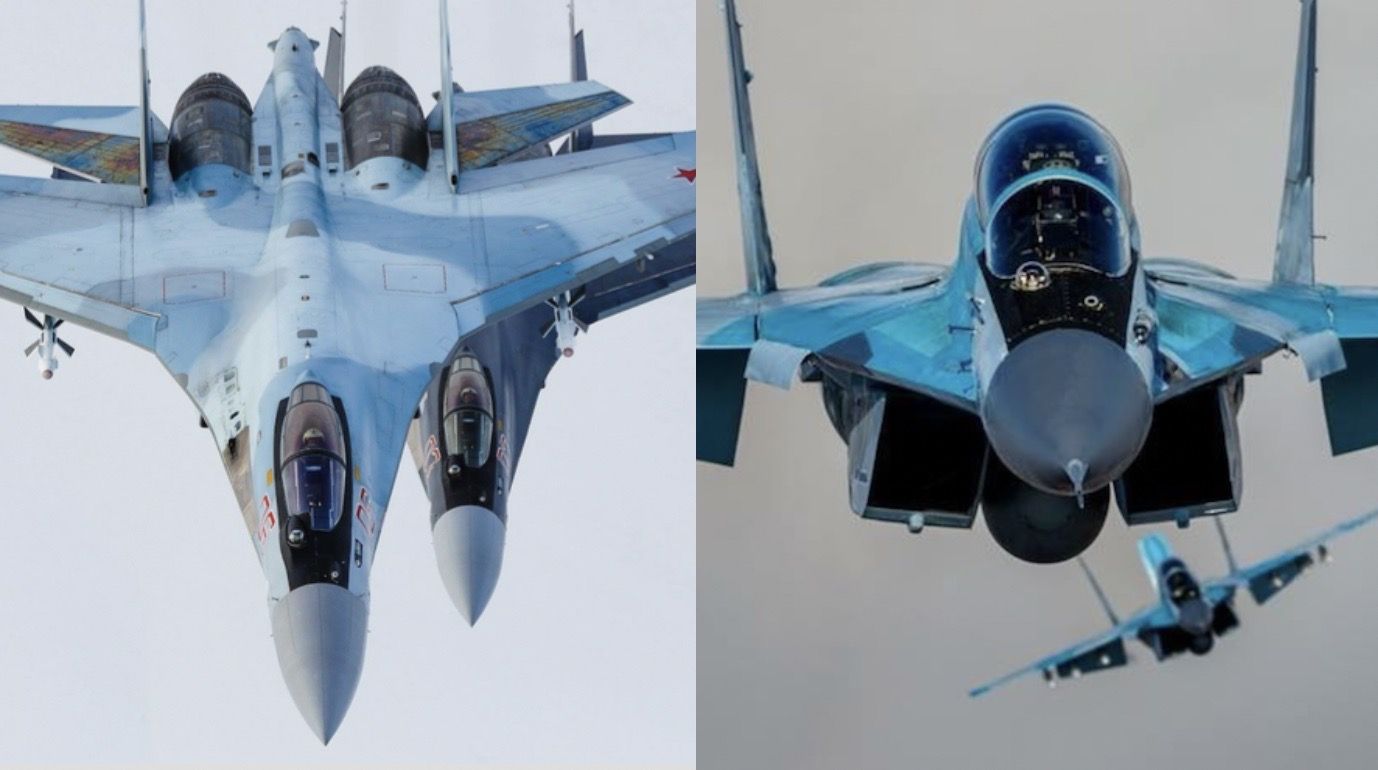
The MMRCA’s cancellation is speculated to have at least partly been influenced by the global economic downturn that resulted from the COVID-19 pandemic, and is particularly bad news for Western competitors which have otherwise struggled to penetrate the Indian market with their combat aircraft. Russia for its part has sold multiple batches of fighters to India just since MMRCA was announced, and even if the agreement had stalled it was expected to continue to sign new contracts for advanced multirole fighters jets under separate deals. Alongside ongoing orders for MiG-29 and Su-30MKI fighters, India has shown considerable interest in a range of new Russian designs including the Yak-130 fighter-trainer and the MiG-35 ‘4++ generation’ medium fighter. The MiG-35 is of particular interest because of its low operational cost, making it not only more capable but also cheaper than the MiG-29, as well as its ability to operate a wide range of new weaponry. While a sale of the Su-35, the other Russian contender in the MMRCA, is unlikely with the tender cancelled, a sale of Su-35 subsystems remains highly possible for integration onto the existing fleet of Su-30MKI jets.
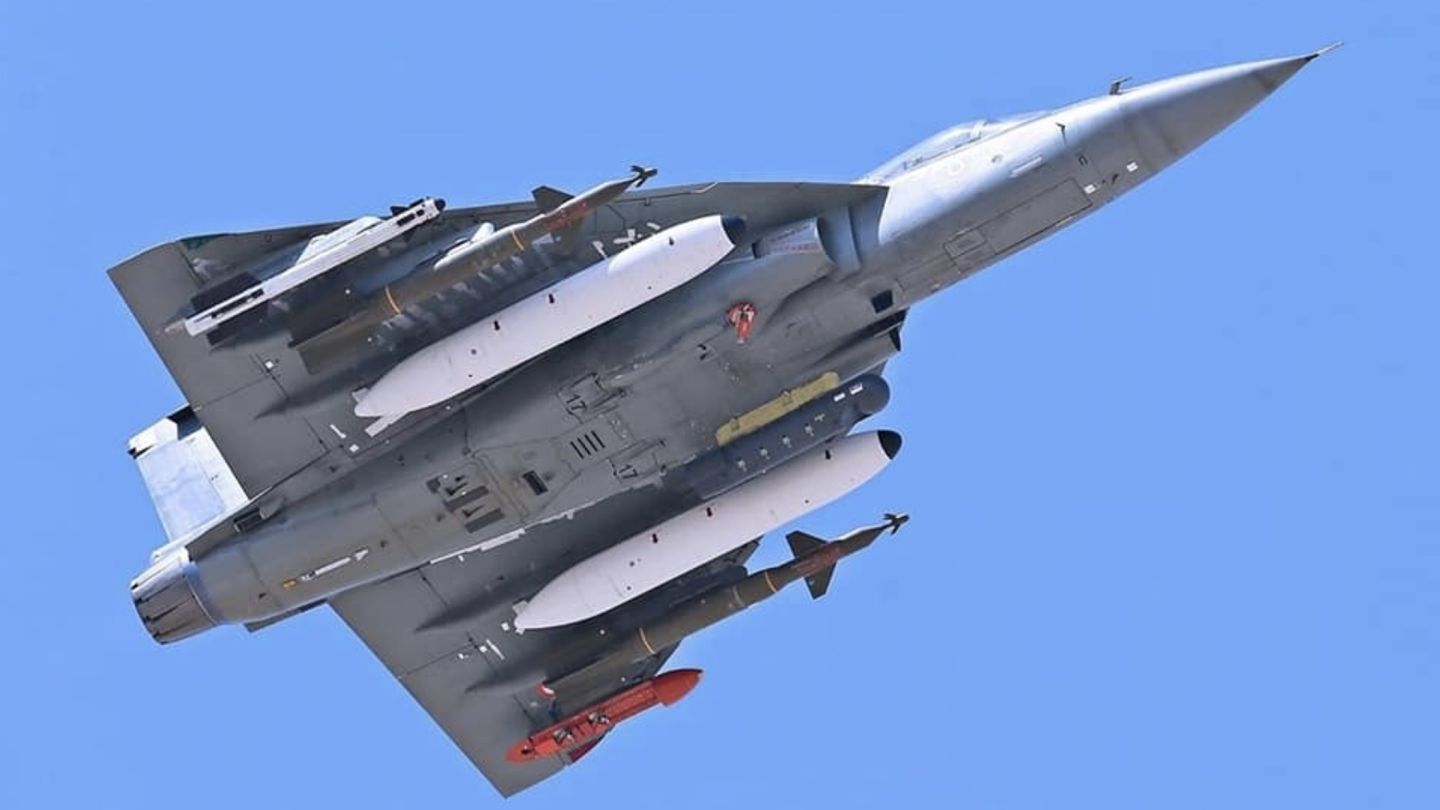
Although the Tejas its not was capable as most jets in the MMRCA, its capabilities are comparable to the lightweight Gripen E fighter and it uses a very similar F414 engine. Being lighter, the Tejas has a lower operational cost than the F-16, F-21 or the twin engine competitors, and the design is expected to see continued improvements to its capabilities including the integration of a wider range of new weapons systems. While the MMRCA’s cancelation is bad news particularly for European competitors, which have struggled to gain export orders for their very costly fighters, for Israeli, Russian and U.S. manufacturers with stakes in the Tejas program increased investment is likely to yield considerable revenues. The MMRCA was likely to be the largest fighter tender of the decade, given India’s unique position as a major importer which is willing to consider purchasing jets from such a wide range of countries. Other major importers such as Japan, South Korea, Saudi Arabia and Singapore have usually considered jets from the United States exclusively, or else provided some token consideration to some European designs, meaning a tender such as the MMRCA could never take place in these countries.
