
Su-35’s Irbis-E ‘Stealth Hunter’ Radar to be Integrated Onto India’s Su-30MKI
Military Watch Magazine Editorial Staff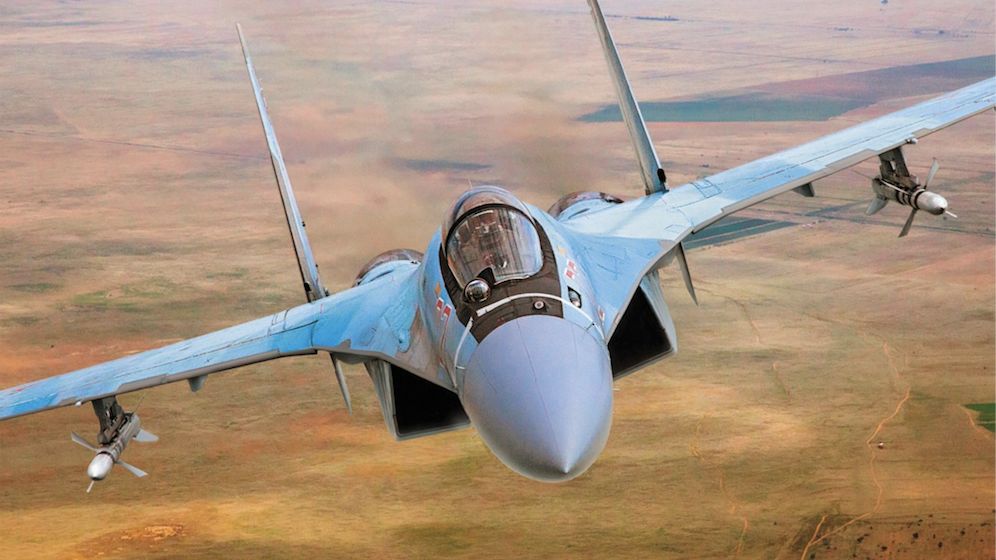
Su-35 '4++ Generation' Air Superiority Fighter
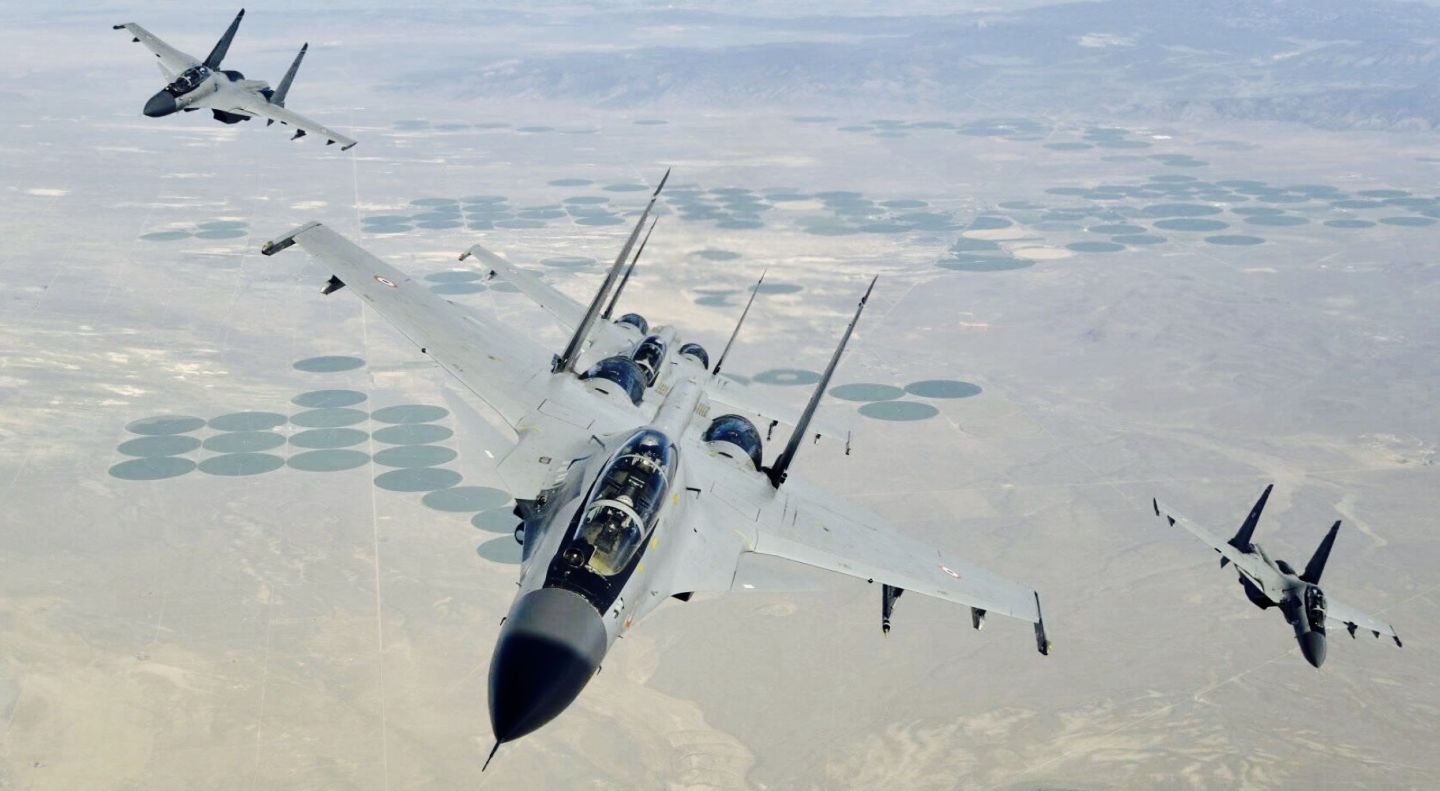
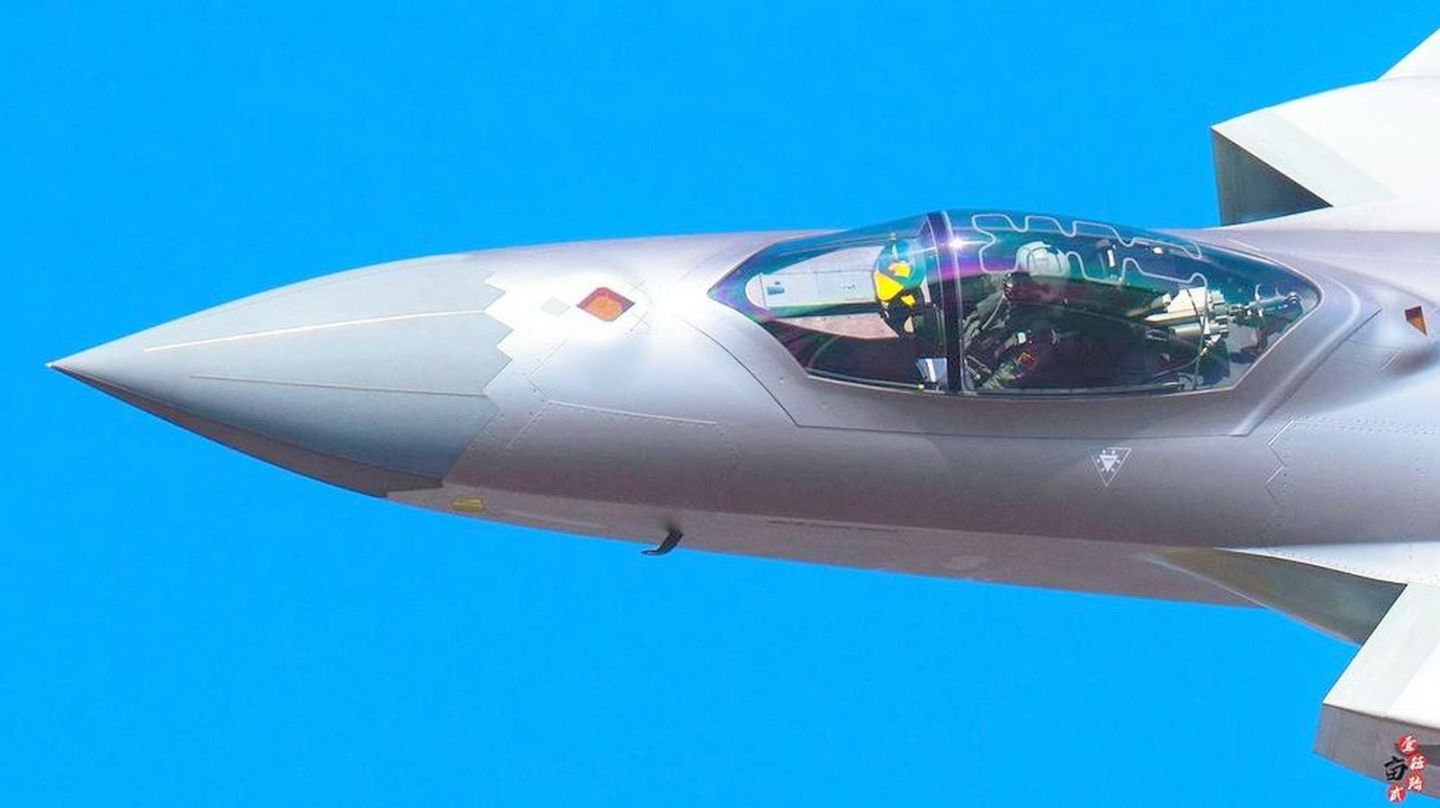
The Indian Air Force is reportedly planning to equip at least a portion of its sizeable fleet of Su-30MKI ‘4+ generation’ heavyweight fighters with the new Irbis-E radar developed for the Russian Su-35 jets. The Su-35 integrates many of the same technologies as the Su-30MKI, but is a newer design making greater use of composite materials, integrating more powerful engines, benefiting from three rather than two dimensional thrust vectoring systems and deploying a wider array of far more powerful sensors among other enhancements. The move by the Indian Air Force to seek to integrate the Irbis-E reportedly comes partly in response to the deployment of a growing fleet of stealth fighters by neighbouring China, and plans by Pakistan to field its own stealth fighter under the Project AZM program.
The Su-35 is the most capable enhancement of the Russian Flanker air superiority airframe to date, and was developed specifically to counter the U.S. Air Force’s F-22 Raptors and F-35 Lightning II platforms both of which deploy advanced radar evading technologies. Russian sources differ on the Irbis-E’s ability to lock onto stealth jets, with some claiming it can detect such targets at 58km ranges while others place the range at 90km. The tracking and engagement range likely depends on a number of factors, including the number of Irbis-E equipped fighters operating together and sharing tracking data and the sophistication of the target’s stealth profile - as the F-22’s frontal profile is reportedly an order of magnitude smaller than the F-35.
Moves to equip the Su-30MKI with the Irbis-E are only one of several measures taken to bring the jets up to the standard of next generation fighters - with India also considering equipping the aircraft with new engines based on those of the Su-35 as well as new air to air missiles such as the R-37M. India is also considering acquiring the Su-35 itself for licence production in India, under a contract which would allow the country to acquire many key technologies which could be integrated onto the existing fleet of Su-30MKI jets. The Su-30MKI is likely to remain India’s most capable fighter jets for the foreseeable future, and with almost 300 in service it will form the bulk of the country’s fleet for decades to come. The Indian Air Force has already begun discussions for a replacement next generation fighter with sixth generation capabilities - an advanced derivative of the Russian Su-57 which will be manufactured jointly by the two countries.
