
Why Russia’s Offer to Build its Elite Su-35 Fighters in India Could be Very Tempting for Delhi
Military Watch Magazine Editorial Staff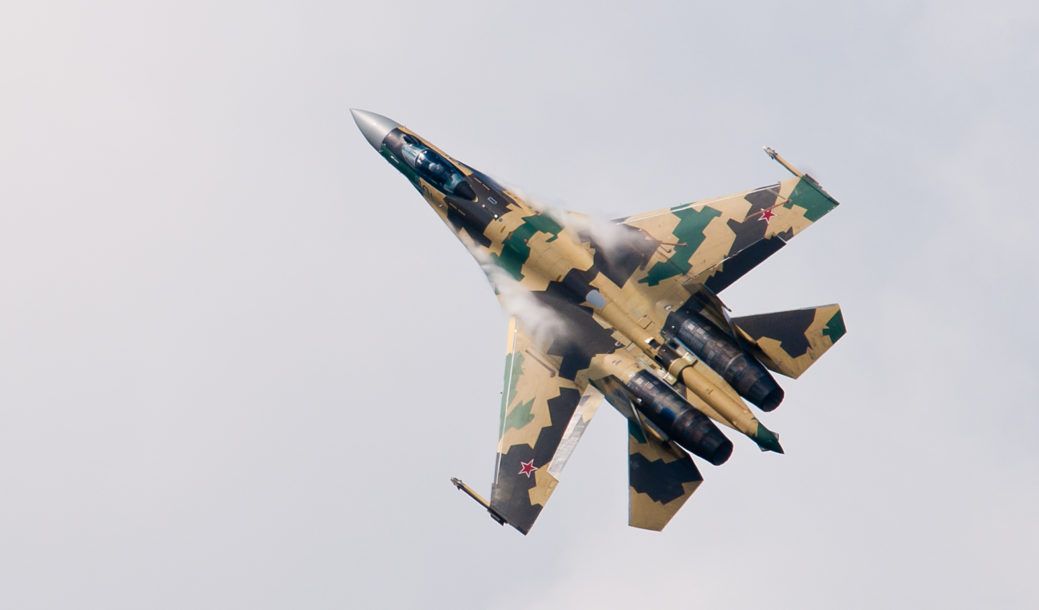
Su-35 '4++ Generation' Air Superiority Fighter
The Russian Su-35 Flanker ‘4++ generation’ air superiority fighter has stood out among the seven contestants for the Indian Air Force’s Medium Multi-Role Combat Aircraft (MMRCA) tender as the only heavyweight platform and the only one with an airframe specialised for air to air combat. Coming from a higher weight range the Su-35 can comfortably outperform all other contestants across the spectrum, with a heavier payload, longer range, higher altitude ceiling, heavier and more powerful sensors and electronics suites, and three dimensional thrust vectoring engines which provide a degree of manoeuvrability and a high speed unrivalled by all but the MiG-35. It is the only fighter in the contest confirmed to be able to deploy hypersonic air to air missiles, and alongside the MiG-35 is the only fighter expected to deploy APAA guided missiles. Despite its relatively low cost and high performance, a key drawback of the Su-35 relative to lighter jets such as the MiG-35 and Rafale are its higher maintenance requirements and operational costs - which arguably make it less suitable as a contestant for a medium weight fighter competition.
By linking an offer to manufacture 114 Su-35 fighters in India with the ability to modernise the country’s existing fleet of over 250 Su-30MKI heavyweight fighters, the Russian offer may well compensate for the drawbacks of higher operational costs. Russia’s United Aircraft Corporation has reportedly offered to provide a number of Su-35 technologies as part of the contract, which could be used to upgrade India’s Su-30 fleet. Many of these will be manufactured in India itself, and this will significantly improve the performance of the Su-30. The contract would see engines and other systems from the Su-35 integrated onto Indian Su-30s, creating a considerable similarity of parts between the two jets and greater interoperability. Thus in turn can lead to easier maintenance and a reduction in net operational costs for India's heavyweight fighter fleet - something which no other contender in the competition has a chance to offer.
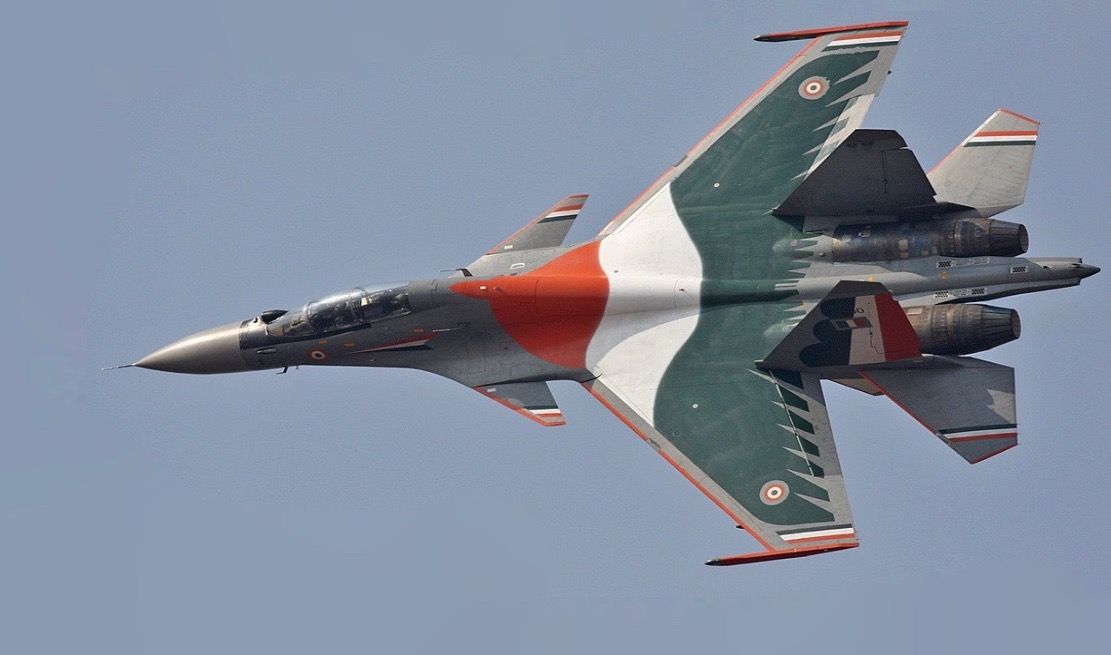
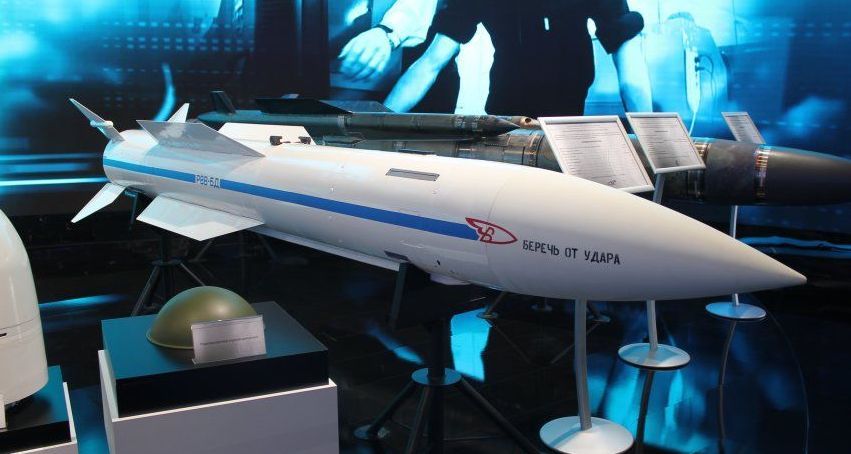
Upgrading Su-30 fighters using Su-35 technologies would include integrating the newer fighter’s AL-41F-1S thrust-vectoring engines, a powerful Irbis-E radar and new electronic warfare systems. This will significantly increase the range at which the older aircraft can detect and track all manner of targets including stealth jets, which the Su-35 was designed to counter, and allow the Indian Su-30s to deploy a number of new standoff weapons previously not available to the platform. This could potentially include the R-37M hypersonic air to air missile, which has a 400km range and is compatible with Russian Su-35 and Su-57 fighters. The Su-30 design can thus benefit from many of the technologies developed for the Su-35, which significantly increases the attractiveness of selecting the heavyweight fighter in the MMRCA tender.
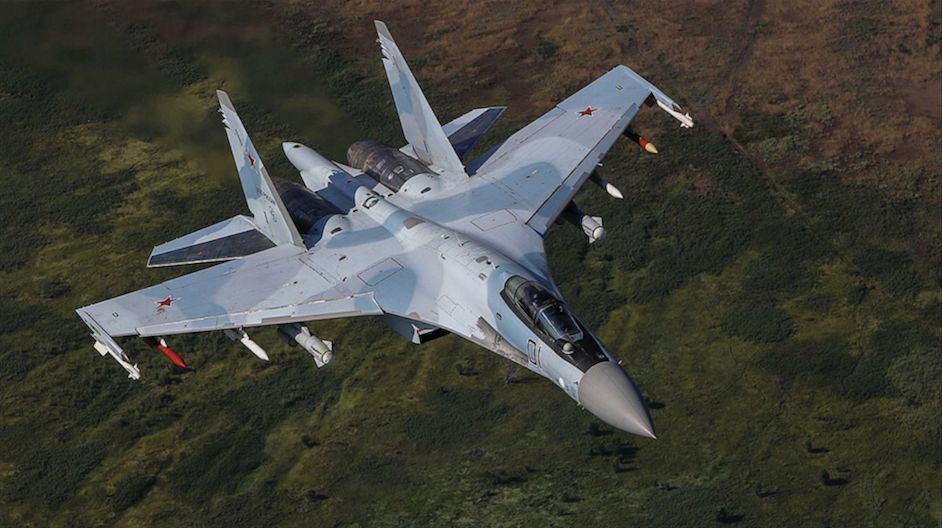
Russian deputy prime minister Yuri Borisov stated regarding plans to apply Su-35 technologies to the latest variant of the Su-30, and the benefits of standardisation of parts following these upgrades: "After completing the work on the Su-30SM upgrade, changing the layout of the onboard radio-electronic equipment to make the Su-35 and the Su-30SM more standardized and thus cut the cost price and standardizing the airborne weapon systems, this may breathe a new life into the plane.” The opportunity to apply similar upgrades to the Indian Su-30 fleet, and to do so using technologies which following the MMRCA’s technology transfer would largely belong to India, could well far outweigh the drawbacks of a higher operational cost for the Su-35 - without even taking into consideration the far superior performance of the Su-35 relative to other contenders. Thus while the Su-35 is likely to be one of the top three contenders for the MMRCA deal, its unique ability to enhance India’s existing Su-30 fleet through technologies provided under the deal may well make it the leading contender.
