
F-4 vs. F-35: Japan Retiring its Phantoms for New Stealth Fighters - But How Do They Compare?
Military Watch Magazine Editorial Staff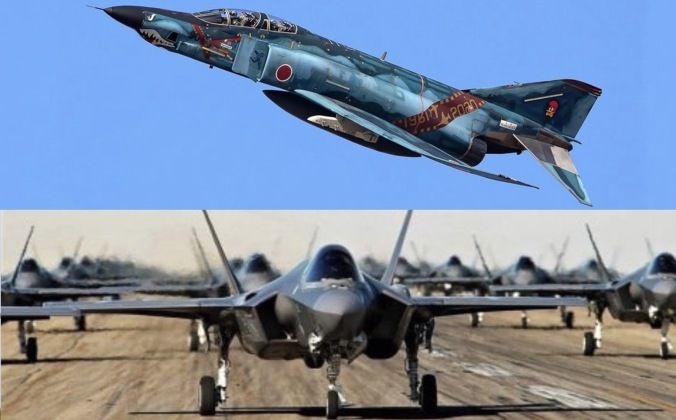
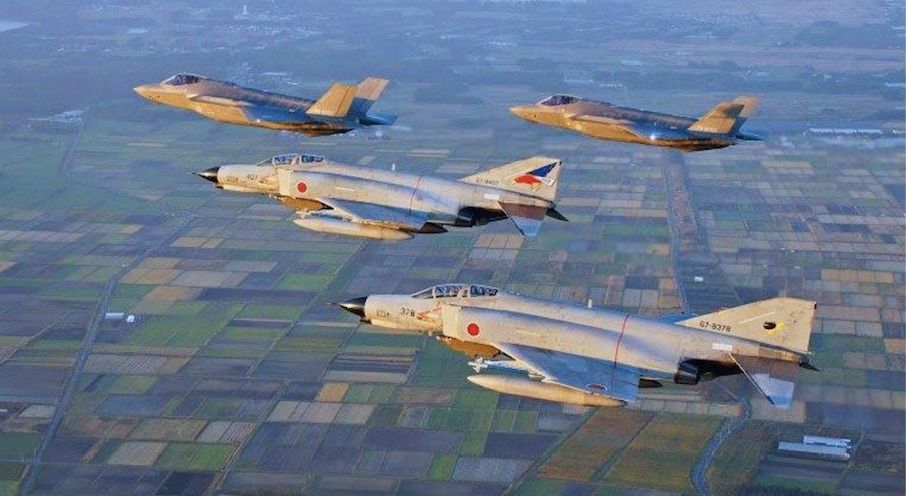
F-35 Stealth Fighters (bottom) and Japanese F-4 Phantom
Japan is set to become by far the largest operator of the American F-35A single engine stealth fighter outside the United States, with the country’s ruling Liberal Democratic Party supporting plans for the acquisition of 147 aircraft of which two squadrons are already in service. These aircraft will be enough to form five full squadrons, the bulk of the Japanese fleet, after 40 years of reliance on fourth generation F-15J jets. Japan first planned to acquire the F-35A in 2011, and more recently announced plans to acquire 42 F-35B fighters, a more expensive variant with short takeoff vertical landing (STOVL) capabilities which allow it to deploy from the country’s 27,000 ton Izumo Class carriers. This highly controversial acquisition would provide Japan with its first aircraft carriers since the Second World War - a move met with considerable apprehension in China and South Korea in particular.
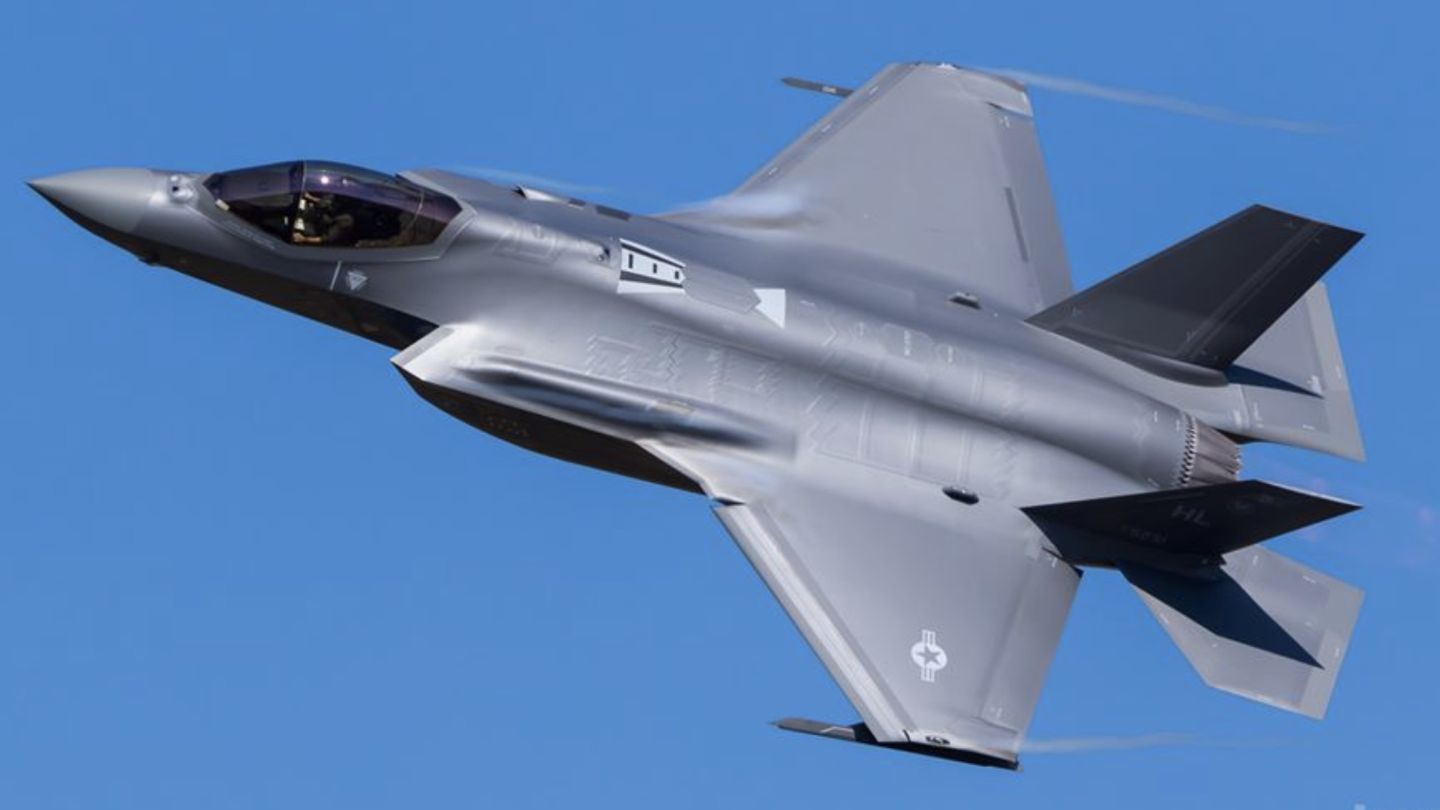
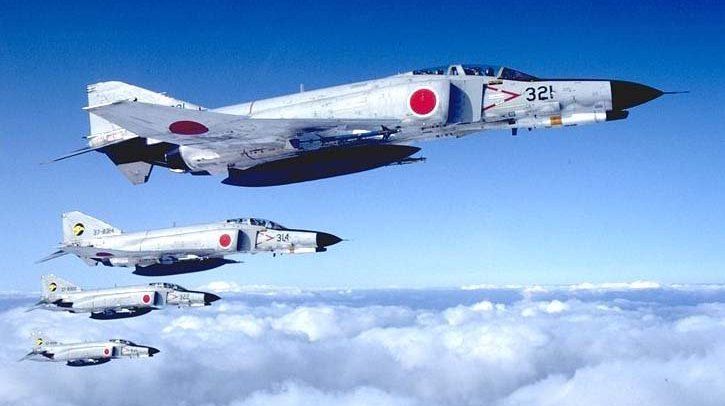
Initial batches of F-35A fighters are set to replace the Vietnam War era F-4 Phantom, which was phased out of service in November 2020 after almost 50 years operational. A comparison of the capabilities of the F-35A and the F-4EJ, the primary variant of the Phantom operated by Japan, will thus serve as a key indicator as to how the capabilities of the Japanese fighter fleet are set to improve. This is particularly critical given the very different roles for which the two fighters were designed, the former as a high end, heavyweight twin engine air superiority fighter and the latter was primarily with an air to ground role in mind with only a limited defensive air to air capability.
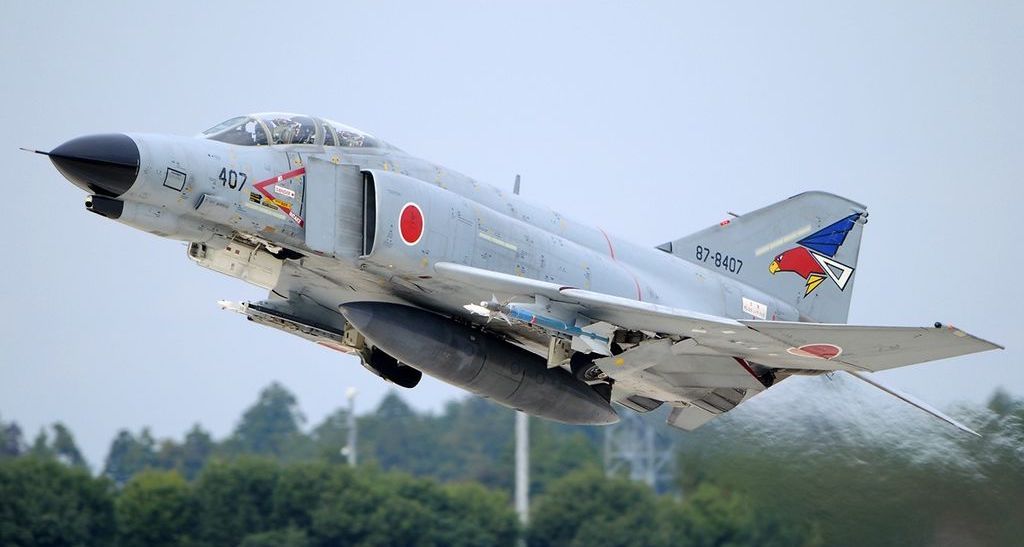
Upon its entry into service in 1968, the F-4EJ was quite possibly the most capable aircraft in the world for air to air combat, and was heavily specialised towards an anti aircraft role at the expense of all other capabilities. The fighter was based on the U.S. Air Force’s F-4E, the most capable American variant of the Phantom, which had entered service in 1965 and had done much to amend difficulties previously faced by the service during the Vietnam War. The Phantoms were equipped with cannon, a powerful AN/APQ-120 fire control radar and more sophisticated AIM-7 and AIM-9 air to air missiles allowing the aircraft to engage adversaries effectively both within and beyond visual range. Japanese F-4s were further specialised for air superiority, with air to ground systems present on American Phantoms removed from the new design. 140 F-4EJ jets were built, 138 of which were manufactured under licence by Mitsubishi Heavy Industries, and they were later upgraded under the F-4EJ Kai program. Upgrades and included integration of the AN/APG-66J pulse-Doppler radar, closely based on that of the fourth generation F-16 Fighting Falcon, as well as the the AN/ASN-141 inertial navigation system which was derived from that used by the F-15 Eagle.
The F-4EJ outmatched anything in neighbouring China’s People’s Liberation Army Air Force until the early 1990s, and were more than capable of matching the most advanced Soviet and North Korean fighters in service until the early 1980s - though still disadvantaged against Soviet MiG-25 heavy interceptors. The Phantoms were designed as heavy high end air superiority platforms, among the most costly of their time, which were reserved for America’s high level defence partners. Lower level clients such as Thailand and South Vietnam, meanwhile, were forced to make do with the lighter multirole F-5 jets, which were considerably cheaper and less capable in air to air combat.
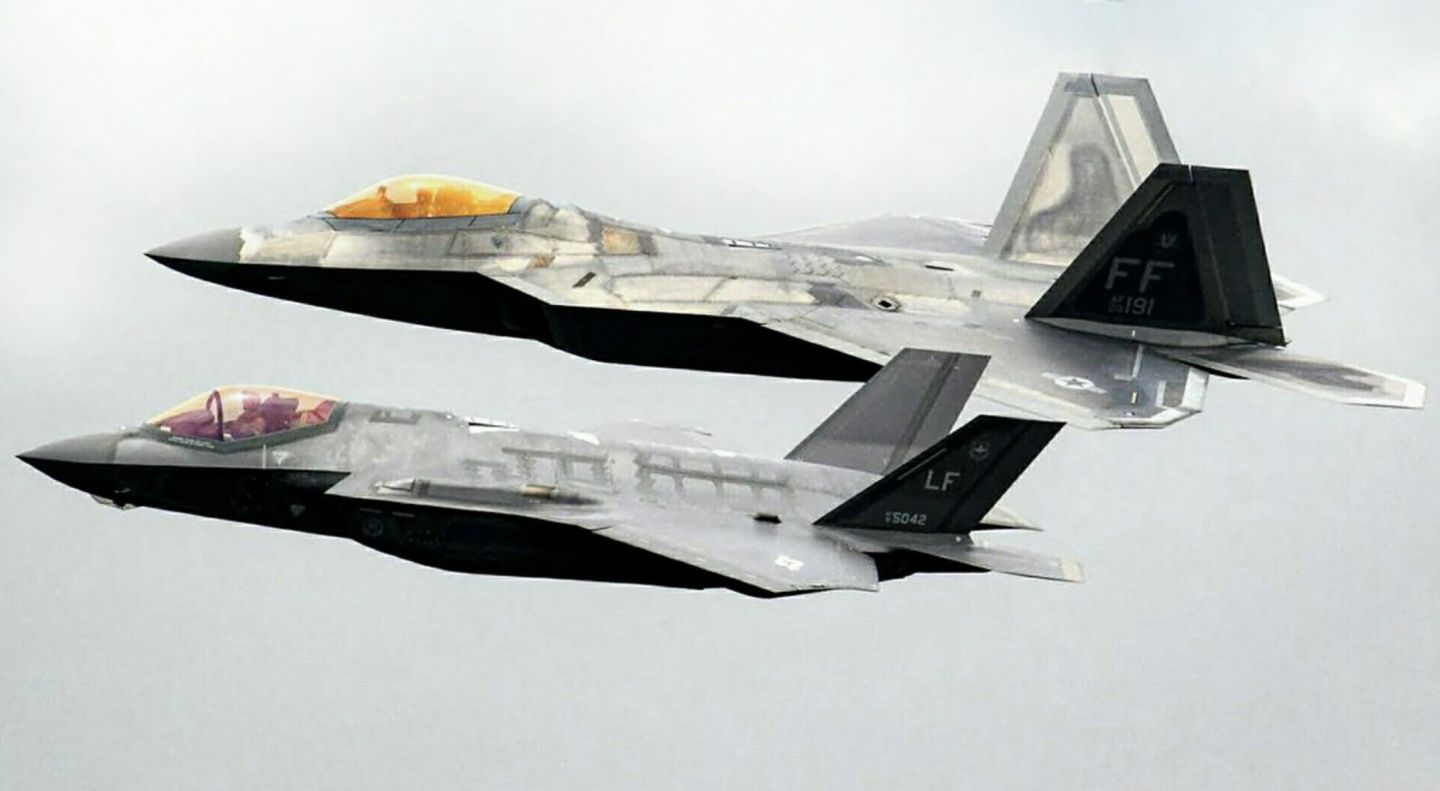
To replace the F-4 and its newer fourth generation successor the F-15 Eagle, Japan initially sought to acquire the Lockheed Martin's F-22 Raptor fifth generation fighter which was similarly designed as a high end twin engine heavyweight aircraft intended for air superiority - a direct successor to the Phantom and Eagle. This aircraft was denied to Japan due to the sophistication of its capabilities and sensitivity of its technologies. The smaller F-35, by contrast, was a fifth generation successor to the F-5 and F-16 - a single engine shorter ranged and lighter platform designed to be widely exported and manufactured at low cost. While the F-35 is technologically two generations ahead of the F-4 therefore, its different role means that its improvement on the F-4's air to air capability were not as great as that which would have been provided by the F-22. As the name of the F-35’s development program suggests, the Joint Strike Fighter (JSF) program, the stealth fighter has a very different orientation to its predecessor which signals a shift in the Japanese Air Force away from one which focuses heavily on the air superiority mission.
As a high end air superiority fighter the F-4 Phantom set 16 world records, all but one of which were achieved by unmodified production aircraft. These included an absolute speed record and an absolute altitude record which it retained for many years. The F-35A by contrast has not set any records. The only superlative it can claim may well be becoming the most numerous stealth fighter in the world - although this too remains to be seen as Chinese and Russian next generation platforms begin to be developed for export. Despite this, however, the F-35's advantages over the F-4EJ are very considerable reflecting the 50 year gap between the designs. The most notable advantages include a cutting edge AESA radar, which is not only decades ahead technologically but is also considerably larger, an infra red search and track system, state of the art electronic warfare capabilities and a radar evading stealth profile. The stealth aircraft also has access to more modern AIM-120C active radar guided air to air missiles - while Japan unlike Germany and Greece has not modified its Phantoms to integrate such missiles and is still reliant on the obsolete semi active radar guided AIM-7.
The F-4EJ does have a considerably higher flight ceiling of 18km and a faster speed of Mach 2.23, as well as lower operational costs and maintenance requirements and a reduced vulnerability to electronic warfare due to its relative simplicity. The F-35, restricted to Mach 1.6 speeds and altitudes of around 15.5km, is narrowly disadvantaged in this regard. Both aircraft are restricted to a payload of just four air to air missiles - half that of other aircraft such as the F-15J and F-22 and 82% less than the new F-15X air superiority fighters. An arsenal of this size, while common in the third generation,, is underwhelming for a 21st century fighter where aircraft carrying more than 10 missiles are increasingly common. The F-35 is in future set to compensate for this with deployment of the new Peregrine missile, which at half the size of the AIM-120 will reportedly be carried in twice the numbers.
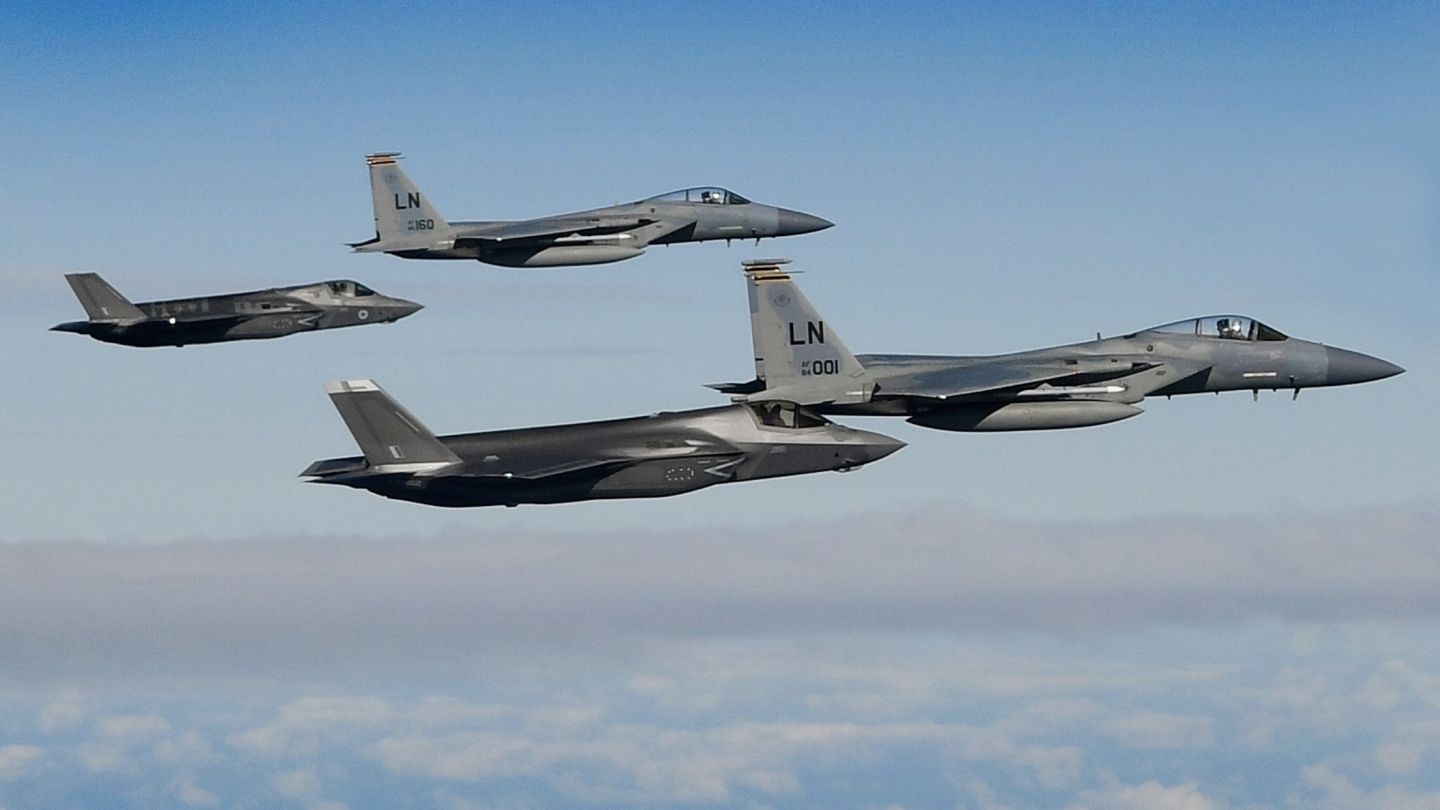
Ultimately neither the F-4EJ nor the F-35A can provide Japan with the air to air combat capabilities needed to match the fighter fleets of its neighbours or carry out long ranged missions - and the heavier F-15J in upgraded form will remain the country’s prime fighter for such a role for the foreseeable future. While replacing the F-4 with the F-35 represents a massive technological upgrade, with the new fighter's network centric warfare and situational awareness set to revolutionise Japan's defences, it also represents the transformation of the country’s fighter fleet from one which overwhelmingly focuses on high end heavyweight aircraft optimised for air to air combat - namely the F-4EJ and F-15J - to one which is increasingly reliant on lighter, lower end and less specialised designs. With Japan never having purchased the F-5 or the F-16, its move to purchase the F-35 represents the first time the Air Force allows it to rely on such fighters . At a time when neighbouring China and Russia are investing heavily in acquiring high end air superiority fighters of their own, Japan’s move towards a reliance on lighter unspecialised fighters could well herald a major decline in its position and its ability to contest air superiority in East Asia - a direct result of its inability to acquire the F-22 Raptor to follow on from the F-4EJ and F-15J. Efforts to indigenously develop a sixth generation air superiority fighter, which is expected to surpass the F-22's capabilities, will partly compensate for this, although such fighters are expected to be acquired in smaller numbers and form a part rather than the bulk of the fleet.
