
Japan to Chose Between British and U.S. Contractors for Joint Sixth Generation Fighter Program: Washington Puts Political Pressure to Go American
Military Watch Magazine Editorial Staff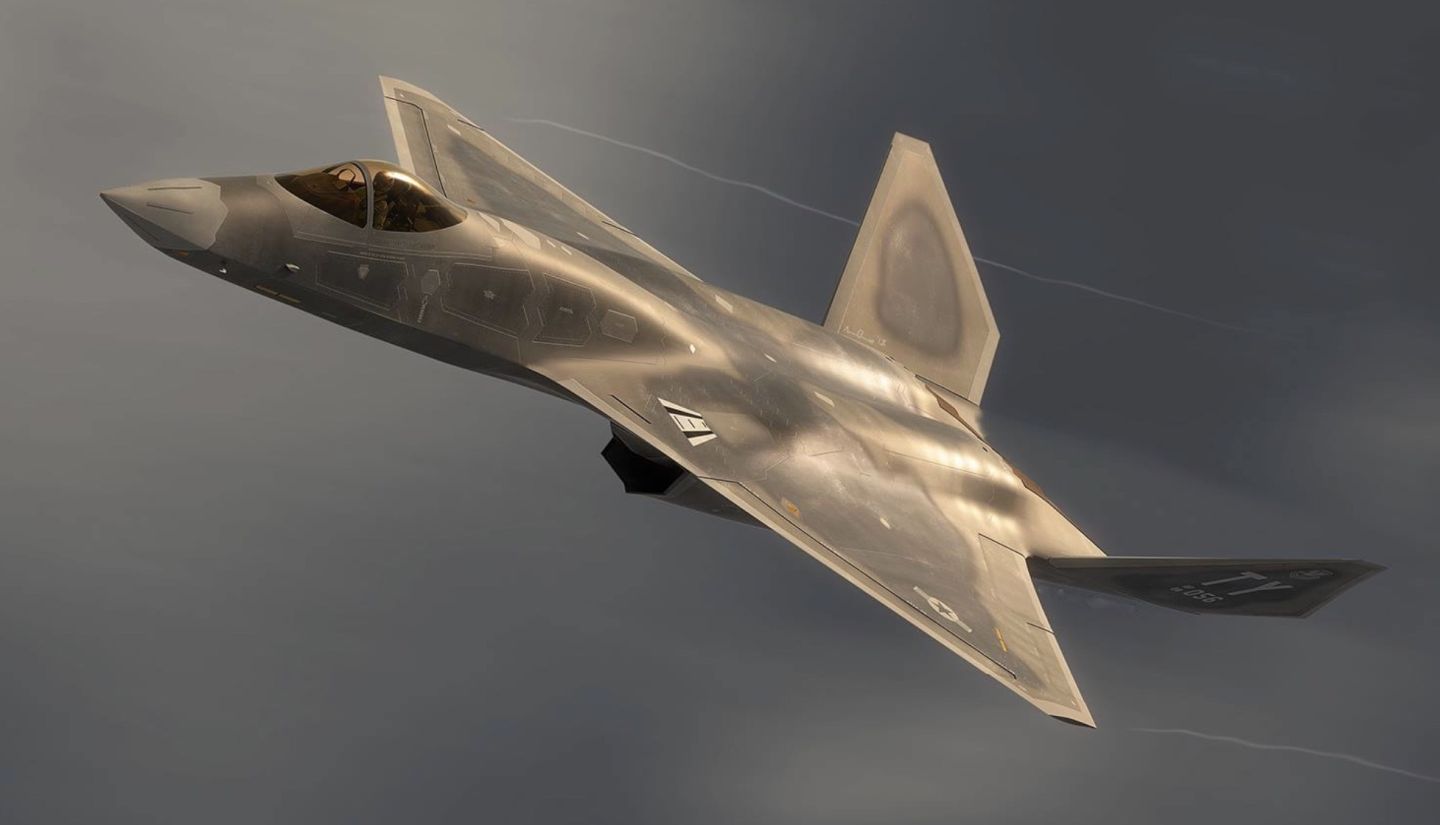
F-23 Next Generation Stealth Fighter - Artwork
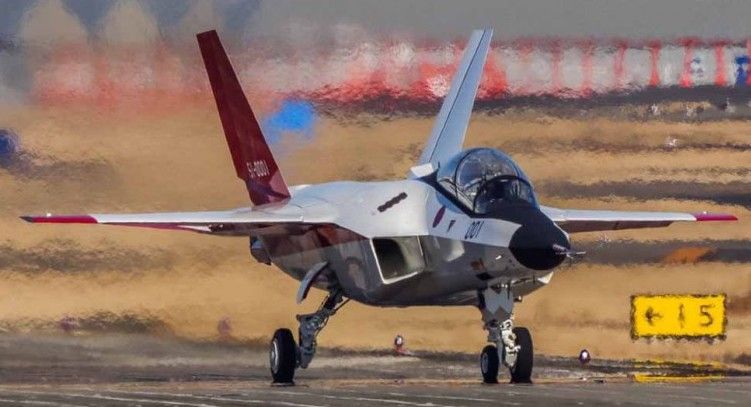
Alongside Japanese plans to field over 100 F-35 fifth generation multirole fighters, an unspecialised single engine fighter intended to replace the country’s F-4E Phantoms and a large portion of its F-15J Eagles currently in service, Tokyo is currently planning a more advanced sixth generation under the F-3 program. These will replace the F-2 fighters currently in service, a platform developed jointly by Mitsubishi Heavy Industries and Lockheed Martin based on the latter’s F-16 Fighting Falcon, and could also be used to expand the Japanese fleet and potentially replace the F-15Js which remain in service. Despite the successes of its own fully indigenous fighter prototype, the Mitsubishi Shinshin X-2, Japan has sought to develop the F-3 fighter as a joint venture with a Western manufacturer - with Britain’s BAE Systems and the United States’ Lockheed Martin highlighted as leading candidates.
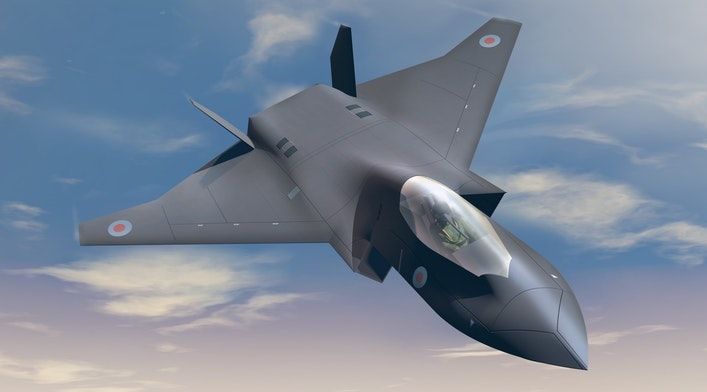
While Britain has not developed an indigenous fighter in over 40 years, BAE is currently developing technologies for a sixth generation jet under the Tempest program. The company has also participated in the F-35 fighter program, making Britain the only Tier One partner in developing the platform. Should Japan partner with BAE, it is likely the F-3 will share many technologies and possibly even an engine with the Tempest. Both fighters are expected to begin entering service from the late 2030s to replace the countries’ respective Eurofighter and F-2 ‘4+ generation’ platforms.
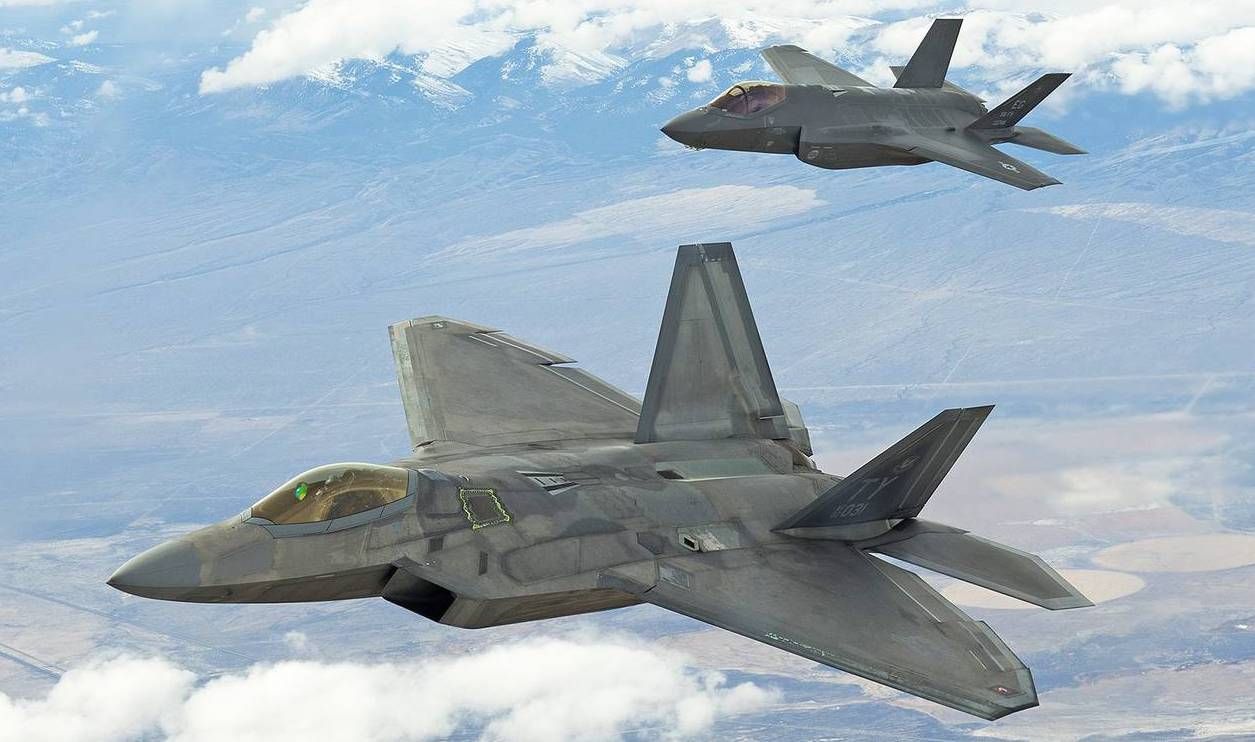
Lockheed Martin has also been a leading contender to develop the F-3, and would be able to draw on considerable experience from the F-35 and F-22 fighter programs in a way no other Western defence contractor could. Northrop Grumman, which developed one of the most promising fifth generation fighter designs yet seen, the F-23, has also reportedly shown interest in contributing to the Japanese program. While American firms appear better placed to contribute to the Japanese fighter program based on their greater experience, indications that Tokyo may be leaning towards a deal with BAE systems has been cause for considerable concern in Washington. The Donald Trump administration has reportedly exerted considerable political pressure on the country to choose an American firm before the final decision is made - in line with a wider administration policy of using political assets to promote arms sales abroad. U.S. officials have also stressed that using British rather than American hardware could limit interpretability with U.S. hardware - although with Britain’s Armed Forces already retaining one of the highest degrees of interoperability with their American allies it is uncertain to what extent this will be a genuine factor.
Speaking regarding the future fo the Japanese fighter program, former top White House official with close ties to Japan’s ruling administration Michael Green stated: “The U.S. government is organising itself around a campaign for an American fighter. And in the Japanese government, some big pieces have shifted so that the momentum is shifting towards a capabilities-based decision which would benefit a design based on an already existing U.S. platform… But it is not over. The momentum could shift back because there are lots of variables.” It remains to be seen which Western contractor will take on the F-3 program, or to what extent the fighter will resemble an existing Western design - be it the Tempest, the F-23 or the upcoming F-X sixth generation fighter.
