
Stealth Fleet Over Tokyo; Japan Agrees to Purchase 105 Additional F-35 Fighters Amid Trump Visit
Military Watch Magazine Editorial Staff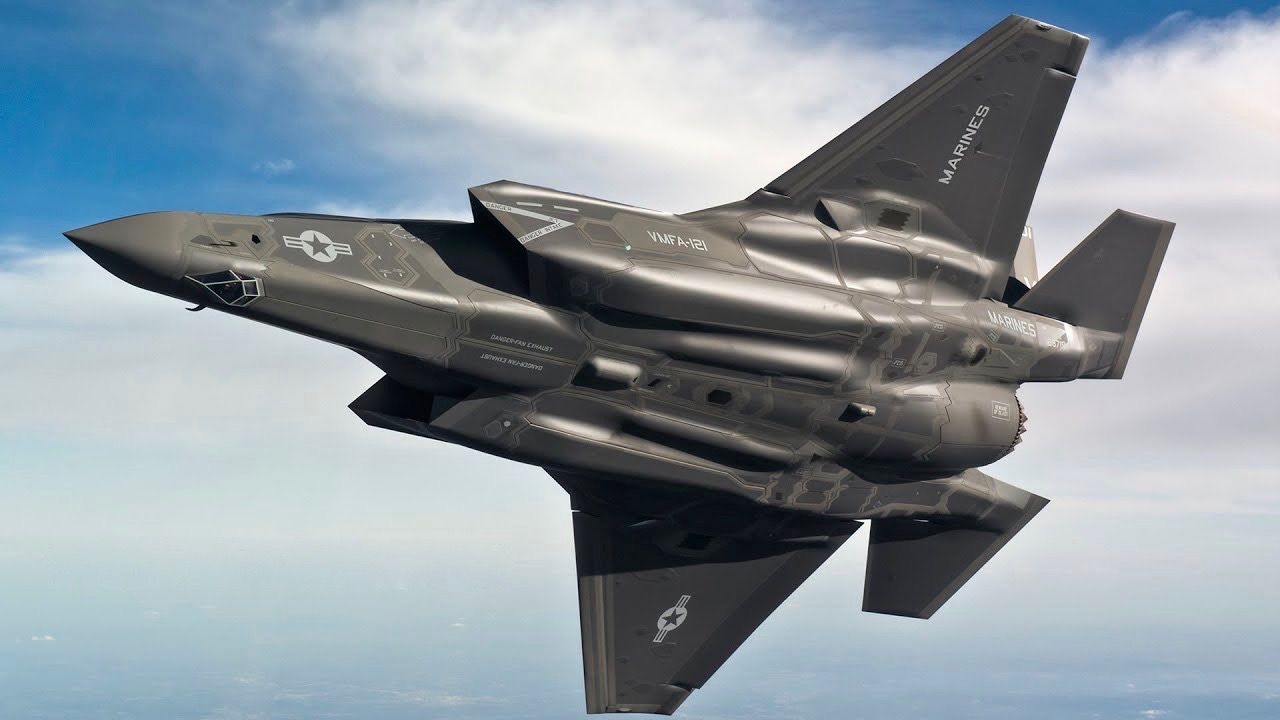
F-35 Fifth Generation Single Engine Fighter
On a visit to Tokyo U.S. President Donald Trump announced that the Japanese armed forces would purchase an additional 105 of the new F-35 stealth fighters - bringing its total fleet size to 150 stealth fighters split between the Air Force and Navy. The announcement comes amid some troubles for the fighter program, with the overseas operator with the largest planned order Turkey being threatened with termination of its membership while Italy looks to further scale down its participation. It also follows the disappearance of a Japanese Air Force F-35A in early April. Japan has been a longstanding client for high end American fighters, most prominently the F-4EJ Phantom and F-15J Eagle third and fourth generation air superiority fighters which comprise the bulk of the country’s fleet today. Acquisition of the F-35 in large numbers to replace both the F-4 and the F-15 marks a major shift in the orientation of the Japanese Air Force, with the new platform’s role markedly different from its predecessors. Unlike the F-4 and F-15, which were designed for high altitude high speed flight, high manoeuvrability and a long range, the F-35 is a lightweight single engine jet designed without a specialisation - but more oriented towards a strike role with only limited defensive air to air capabilities. The fighter’s speed and altitude limit are considerably lower than the F-4 and F-15, and its missile payload is 25-50% that of the F-15J - which can carry eight missiles with some recently upgraded to carry sixteen.
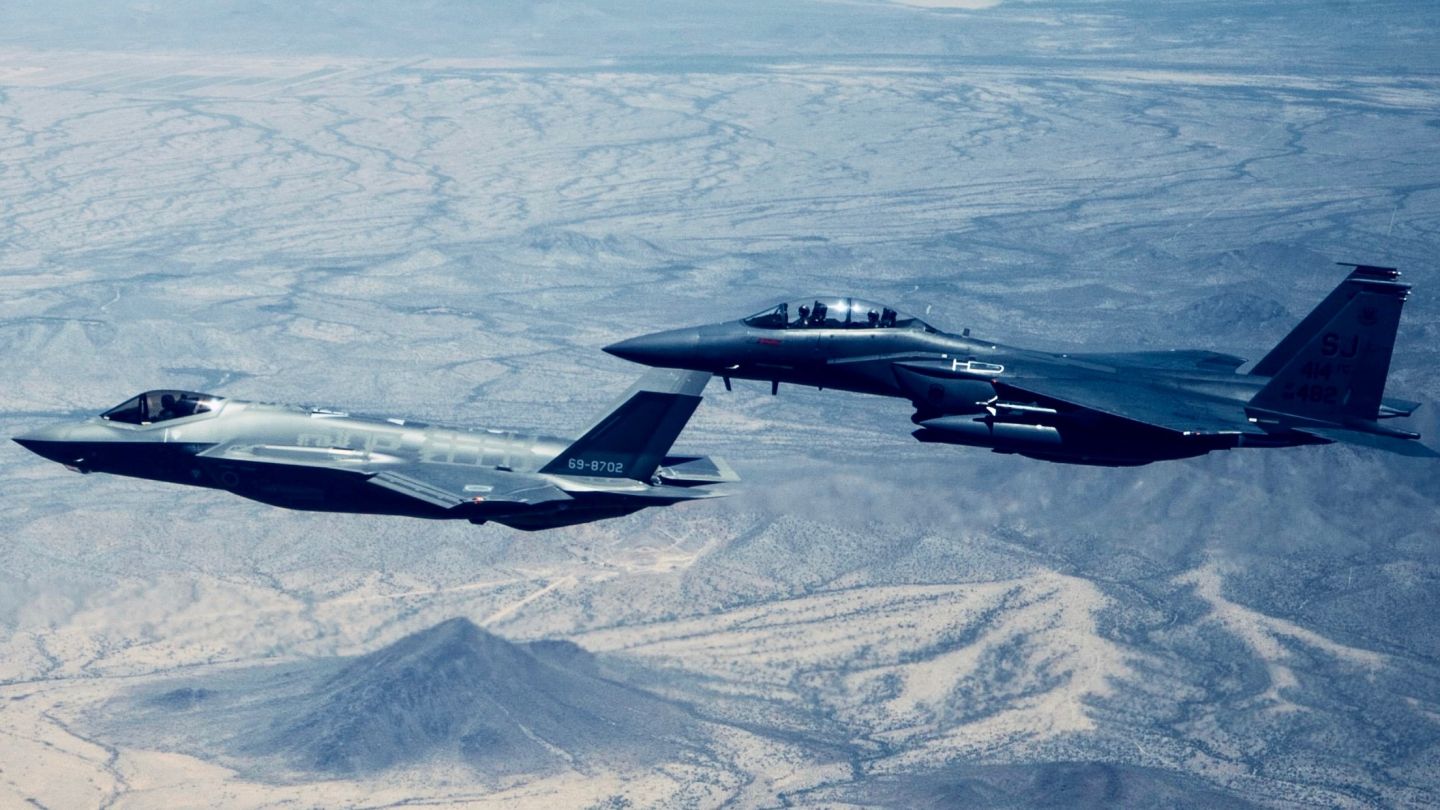
While Japan was initially the leading export client with interest in the American F-22 Raptor, a successor to the F-4 and F-15 and heavier more specialised counterpart to the F-35, a blanket export ban on the elite twin engine fighter has forced the Japanese Air Force to make do with the lighter and cheaper jet. While the F-15J and F-4EJ incapable of countering the enhanced fourth generation combat jets deployed by the Chinese People’s Liberation Army Air Force and Russian Air Force such as the Su-35 and MiG-31BSM, the F-35’s advanced fifth generation sensors, electronic warfare systems and stealth capabilities could potentially give it a edge in the air. The stealth fighter, however, is far from combat ready - with the small F-35A unit currently in Japanese service forced to make at least seven emergency landings over the past two years. Issues with the fighters’ main guns and electronics continue to be identified, with the Pentagon reporting “2,769 deficiencies” in 2017.
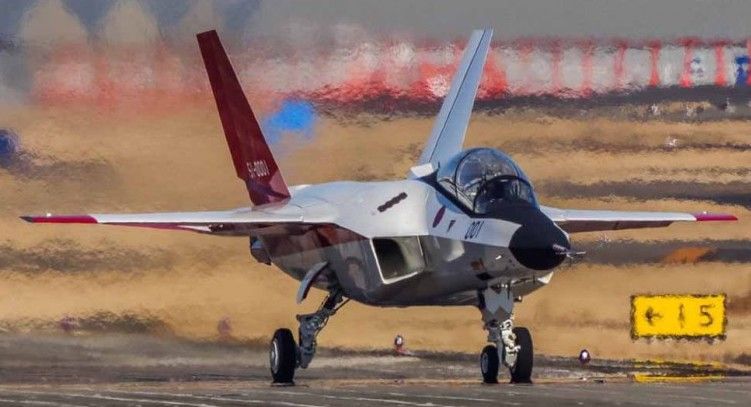
How capable the F-35A will be once issues are amended remains to be seen, but it is likely that fighters delivered to Japan from later production blocks of the stealth fighter will be significantly more capable than their early production predecessors which continue to experience considerable operational difficulties. Japan for its part is also investing in a sixth generation air superiority fighter to replace the remainder of its fourth generation fleet, having previously flown the Mitsubishi Shinshin X2 technology demonstrator to test many key systems for this new platform. The aircraft will field self repair systems, three dimensional thrust vectoring engines, and a number of other advanced technologies which will place it well ahead of the F-35A, and quite possibly the F-22, in its air to air capabilities. Whether this ambitious and extremely costly multi billion project will be seen through, or whether Japan will instead opt to purchase American sixth generation jets which are set to enter service in the mid 2020s, remains to be seen.
