
From Air Superiority to Strike Fleet; The Transformation of Japan’s Air Force and its Implications - Part One
Military Watch Magazine Editorial Staff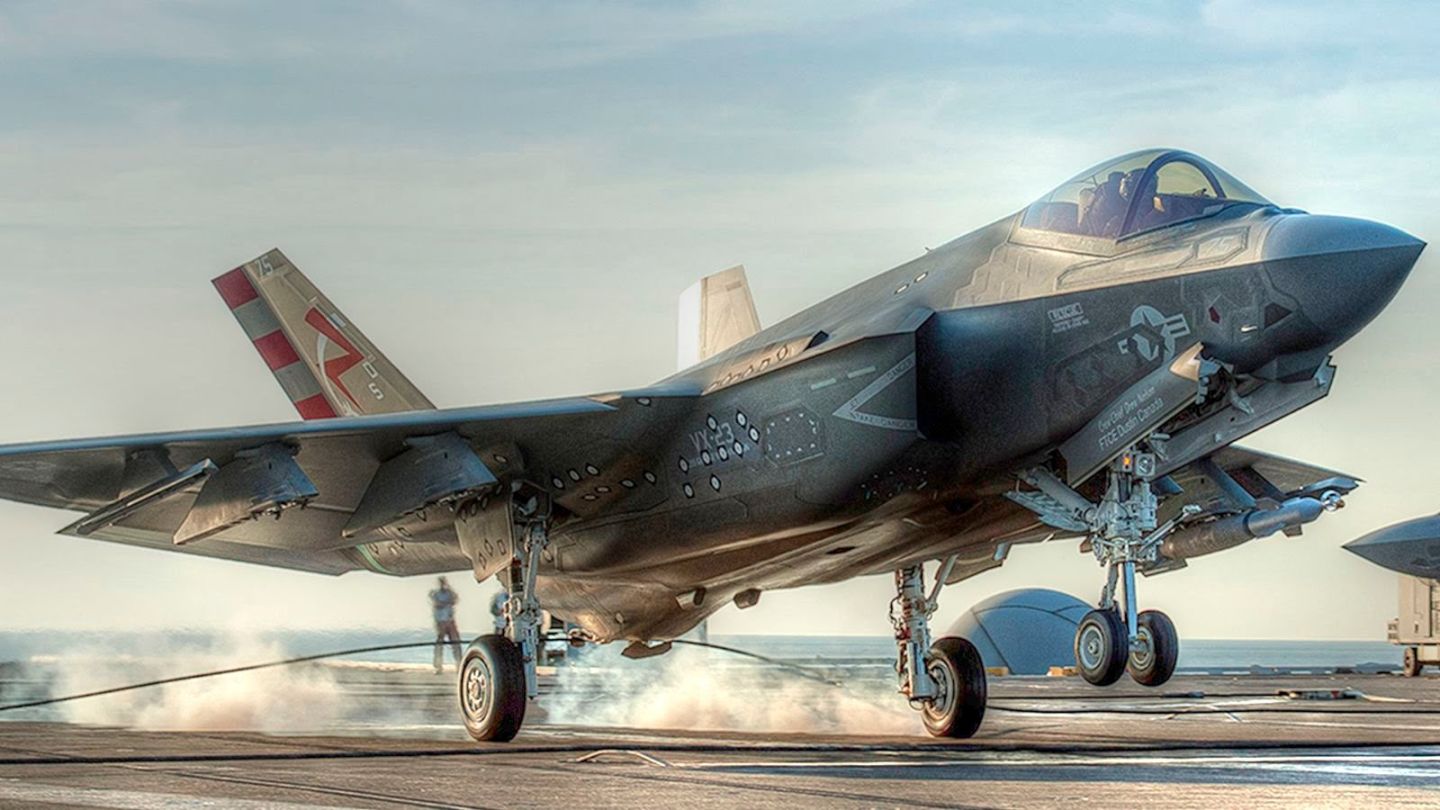
F-35 Stealth Fighter
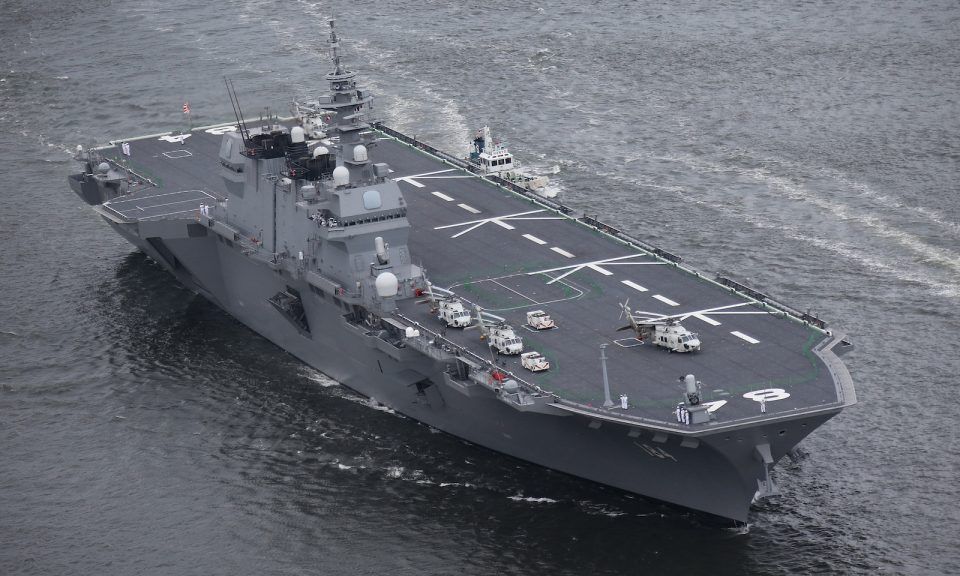
The Japanese Air Self-Defence Force (from here on referred to as the Japanese Air Force) is set to become the largest foreign operator of the new American F-35 single engine stealth fighter, with the country’s ruling Liberal Democratic Party looking to purchase 99 of the fifth generation jets - adding to an earlier planned order for 42 of the fighters. This order will reportedly include the acquisition of a number of the F-35B, highly specialised short takeoff vertical landing (STOVL) capable variant of the new fighter designed to deploy from light helicopter carriers such as the country’s 27,000 ton Izumo Class and ideal from operations from outlying islets which lack proper runways. Further orders for the B variant are reportedly being seriously considered to augment the country’s power projection capabilities. Acquiring the F-35B will provide Japan with the first carrier based fixed wing fighter jets since the Second World War - a development met with much apprehension from neighbouring China and South Korea. While the restoration of Japan has gained a great deal of attention, the country’s acquisition of the F-35A - the conventional takeoff variant of the fighter - in such large numbers is set to bring about a considerable change in the purpose of the country’s Air Force which closely reflects its rapidly changing role under the Shinzo Abe administration.
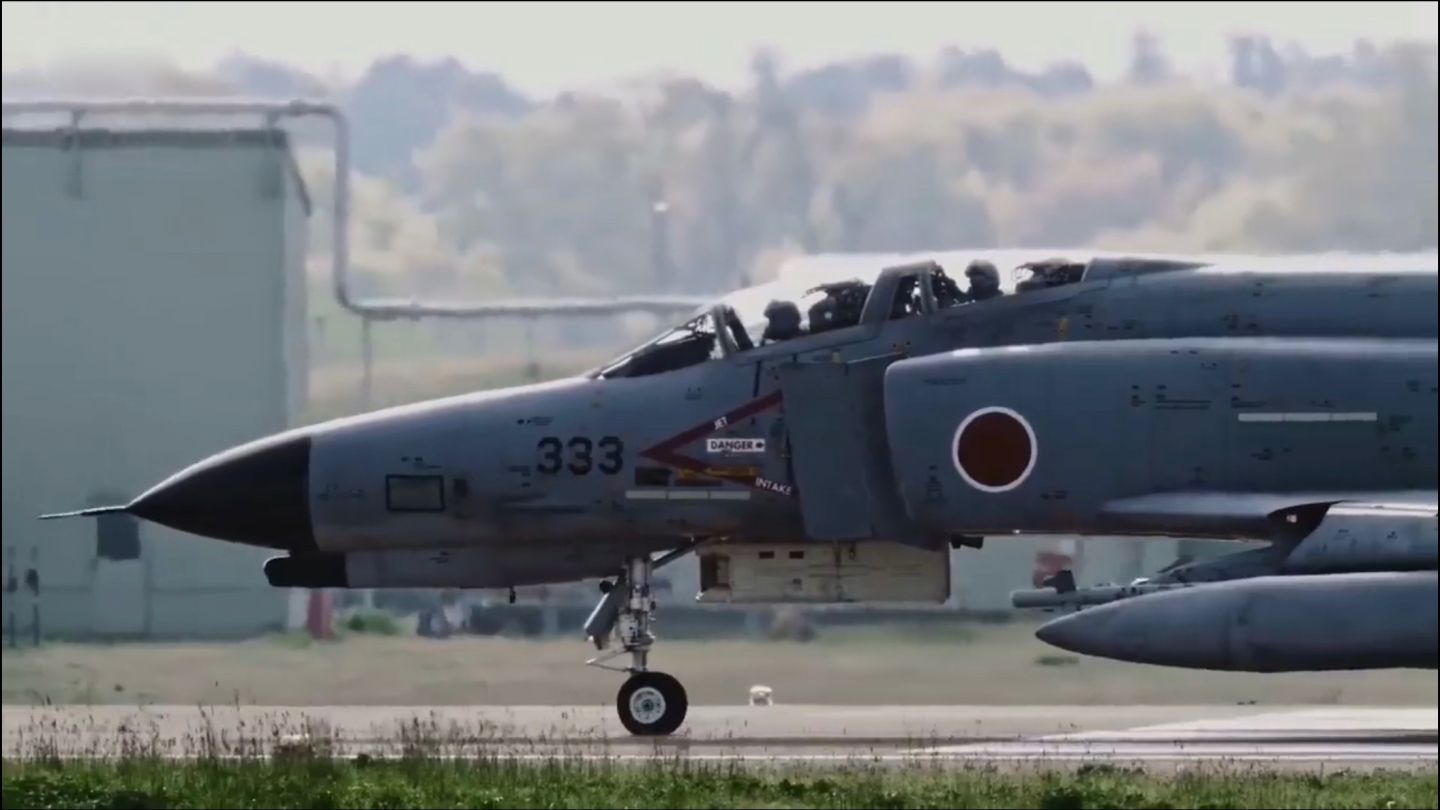
As the F-35 begins to enter service in the Japanese Air Force in large numbers, the implications of its entry into service go far beyond basic modernisation of the service’s existing capabilities. Japan’s Air Force during the Cold War and ever since has been a highly elite service heavily specialised in high end air to air combat, and as such was consistently supplied with the most capable U.S. air superiority fighters available. In 1968 Japan received the first F-4EJ Phantom elite twin engine fighters, quite possibly the most capable air superiority jets in the world at the time, which were specialised towards air to air combat at the expense of all other capabilities. The Japanese fighter was based on the U.S. Air Force’s F-4E - the most capable variant of the Phantom for air to air combat - equipped with a cannon, a powerful AN/APQ-120 fire control radar and more sophisticated air to air missiles allowing the aircraft to engage adversaries effectively both within and beyond visual range.
Japanese variants of the F-4 were specialised further for air superiority, with air to ground systems such as the AN/AJB-7 bombing computers present on American Phantoms removed to better facilitate this role. 140 F-4EJ fighters were built, and 138 of these were manufactured under licence by Mitsubishi heavy industries. The fighters outmatched anything in China’s People’s Liberation Army Air Force until the early 1990s, and were more than capable of matching the most advanced Soviet and North Korean fighters in service until the early 1980s. The Phantoms were heavy twin engine third generation jets designed to engage the elite of an enemy air fleet, among the most costly of their time, and they were reserved for the United States’ high level defence partners - where lower level clients such as Thailand and the Philippines were forced to make do with the lighter multirole F-5 which was considerably less capable in air to air combat.
Augmenting the capabilities of the F-4, the country would in 1981 receive the first F-15J Eagle air superiority fighters - a more advanced fourth generation analogue to the third generation F-4EJ Phantom designed with a similar role in mind. Like its predecessor, the Eagle was a heavy twin engine aircraft designed to operate at high altitudes with a heavy weapons payload and was reserved for the United States’ closest defence clients - with just three countries ever being sold air superiority variants of the fighter. Over 220 of the F-15J would be manufactured under licence by Mitsubishi Heavy Industries, of which approximately 190 are currently in active service. The fighters continue to form the mainstay of Japanese aerial warfare capabilities, currently forming seven of the country’s twelve fighter squadrons and performing the same role as the F-4 - only much more capably. The F-4EJ comprises a further two squadrons - making the Japanese Air Force among the most elite heavily air superiority oriented services in the world. The fighter fleets of the United States Air Force and Navy by contrast field heavy air superiority fighters in far smaller numbers alongside cheaper lower end multirole jets such as the F-16 and F-18 - while smaller powers such as Taiwan and North Korea lack such high end aircraft entirely. Japan’s remaining three squadrons are comprised of F-2 single light fighters - but only 88 of these are currently in service.
Continued in Part Two
