
From Air Superiority to Strike Fleet; The Transformation of Japan’s Air Force and its Implications - Part Two
Military Watch Magazine Editorial Staff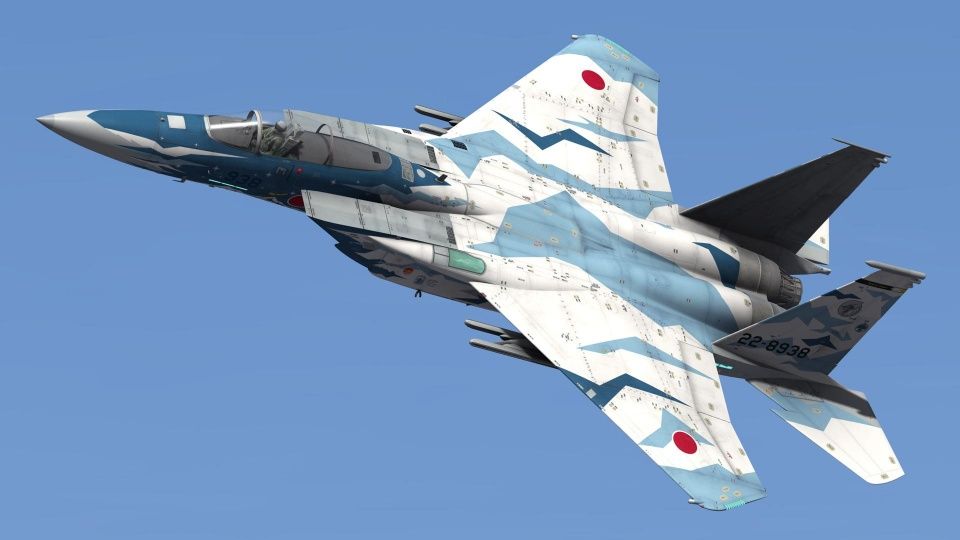
F-15J Air Superiority Fighter
Acquisition of the F-35 is set to transform the Japanese Air Force considerably, with an estimated 5-6 squadrons of the stealth fighters replacing the two squadrons of Phantoms and 3-4 squadrons of the F-15J. Unlike the F-4 and F-15, the F-35 was designed as a light single engine multirole platform intended to be manufactured in large numbers and widely exported. The fighter was conceptualised as a lighter and less costly counterpart to the F-22 Raptor fifth generation air superiority fighter - the successor to the F-4E and F-15 - and the F-35 was itself a successor to the F-5 and F-16. As the name of its development program, Joint Strike Fighter, suggests, the F-35 is primarily tailored towards penetration of enemy airspace and an air to ground strike role. The fighter retains only limited defensive air to air combat capabilities, and its low speed and operational altitude are well below those of the F-4 and F-15. The fighter’s air to air weapons payload is half that of the F-15 or F-22 - less than a third that of the Su-35 air superiority fighters fielded by neighbouring Russia and China. Several prominent figures in the U.S. military have attested to the fact that the F-35 is poorly suited to high end air to air combat, with Air Force chief of staff General Mark Welsh stating regarding the fighter: “It had an air-to-air capability, but it was not intended to be an air-superiority fighter.” He instead referred to it as “the multipurpose, data-integration platform that could do all kinds of things in the air-to-ground arena including dismantle enemy, integrated, air defense.” Air Combat Command chief General Mike Hostage similarly referred to it as poorly suited to high end air to air combat, emphasizing that it was “not built as an air superiority platform.”
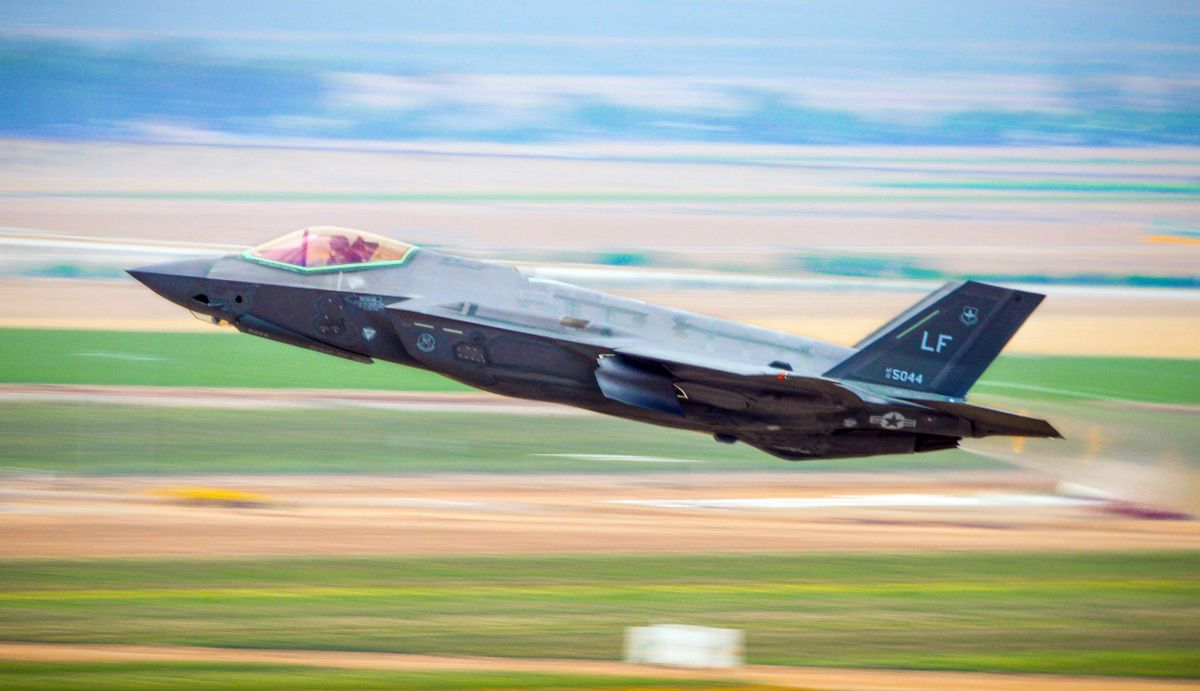
The reorientation of the Japanese Air Force from an air superiority oriented service to an increasingly strike oriented service closely reflects the significant changes which have taken place in the country’s foreign policy and defence doctrine since the Cold War’s end - the pace of which has escalated significantly in the 2010s. While the United States sought to prepare its ally for a potential Soviet invasion via the provision of a top of the line air superiority capability during the Cold War - prospects for any country launching such an attack on Japan have been negligible since the communist superpower’s collapse in 1991. As such, Japan’s air force appears to be being tailored towards a strike and offensive power projection role well suited to supporting U.S. power projection operations abroad - rather than defending the country’s own airspace against air attacks.
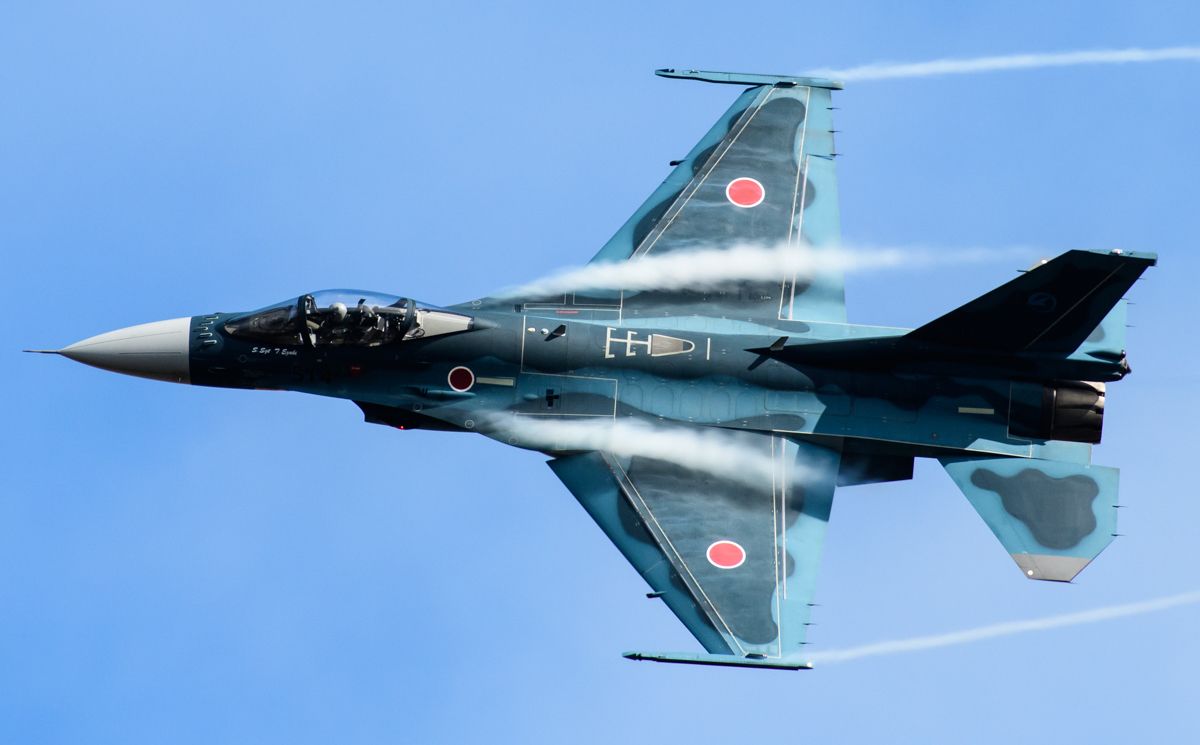
By acquiring the F-35 single engine light fighter to replace the F-4 and F-15, Japan is not replacing its air superiority fighters with newer and more capable jets designed for the same role - rather it is exchanging its high end air superiority capability for a less specialised multirole strike capability. This transformation represents just one part of an overall trend towards the Japanese armed forces adapting to the state’s new policy and the new roles envisioned for all three of its services. The country’s activation of its first post-imperial amphibious warfare units and plans for a large carrier fleet are other prominent examples - as is the outfitting of the Air Force’s F-2 fighter for a long range strike role, with the JASSM-ER radar evading cruise missiles placing much of Northeast Asia including the Taiwan Strait, the Korean Peninsula and the Chinese capital Beijing well within range of its precision strikes. These newly armed F-2 fighters will alongside the F-35 form the vast majority of the Japanese fighter fleet - 66-75% of the Air Force’s fighter squadrons. Some reports have indicated that the country’s remaining 3-4 F-15J squadrons could also be modified for a strike role - something far from unprecedented given that the Israeli Air Force has also modified air superiority specialised F-15s in much the same way to similarly accommodate a growing shift in the service’s primary focus away from air superiority and towards strike capabilities.
Japanese air assets can be expected to be deployed more actively in support of U.S. and Western military interventions worldwide, a role which they will be far better suited to fulfilling than their predecessors. This is an outcome Washington has pressed Tokyo to achieve since 1991, which will change entirely the nature of Japan’s armed forces and provide U.S. led coalitions with valuable support in a number of theatres. Japanese military deployments to Iraq since 2003 have largely paved the way for this, and strike aircraft are far better suited to such offensive and expeditionary roles than the heavily defence oriented air superiority fighters of which the fleet was overwhelmingly previously comprised. While Japan’s armed forces will be less capable of contending with neighbouring powers such as Russia and China in the air, it will be far better suited towards taking to the offensive and striking enemy territories using its new capabilities. Whether Japanese foreign policy will in turn become more assertive to reflect the country’s transformed military capabilities remains to be seen, but is a considerable possibility.
