
Hunting an F-35 At Sea; Japan’s Lost F-35 Could be a Blessing for Russia or China
Military Watch Magazine Editorial Staff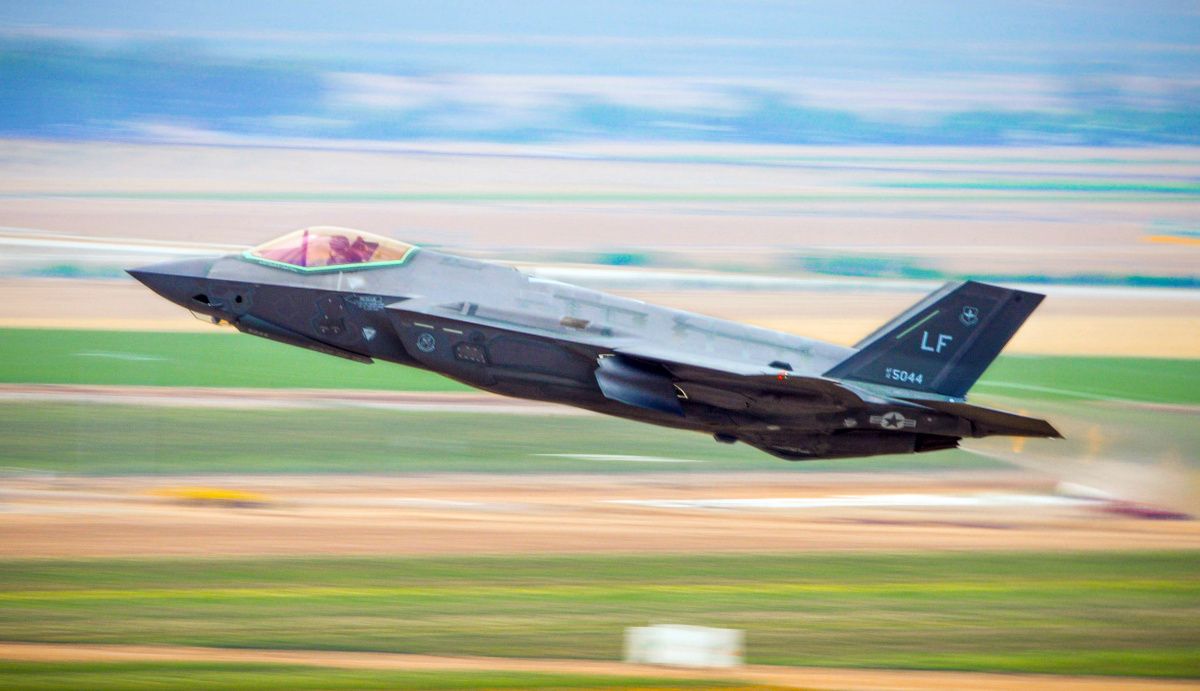
F-35 Stealth Fighter
The Japanese Air Self Defence Force reportedly lost one of its few F-35A Lightning II fighter jets at sea 135km off the east coast of Aomori prefecture in the Pacific. The pilot has yet to be recovered, after it was reported that the aircraft disappeared from radar screens during a training flight at 7:27pm - local time. Shortly after the incident Japanese Defence Minister Takeshi Iwaya said the Air Force would suspend flights for the remainder of its stealth fighter fleet, though it is unclear for how long. The F-35’s safety record has overall been better than that of U.S. fighters of the preceding generation, with the twin engine F-15 jets suffering regular losses in its first years in service (eight, six, four and six in 1978, 79, 80 and 81 respectively) and losses even heavier for the F-14. Nevertheless the F-35 has been grounded a number of times in the past due to safety concerns, and design flaws which could endanger pilots’ lives have been highlighted on several occasions.
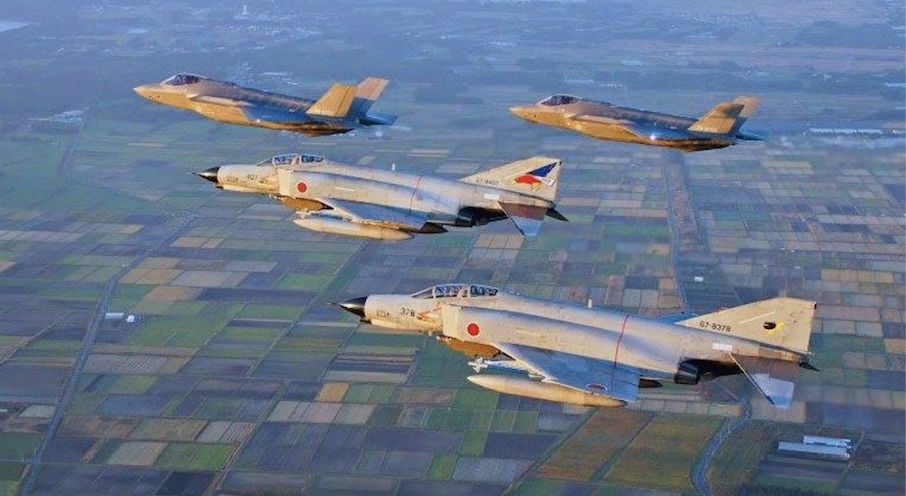
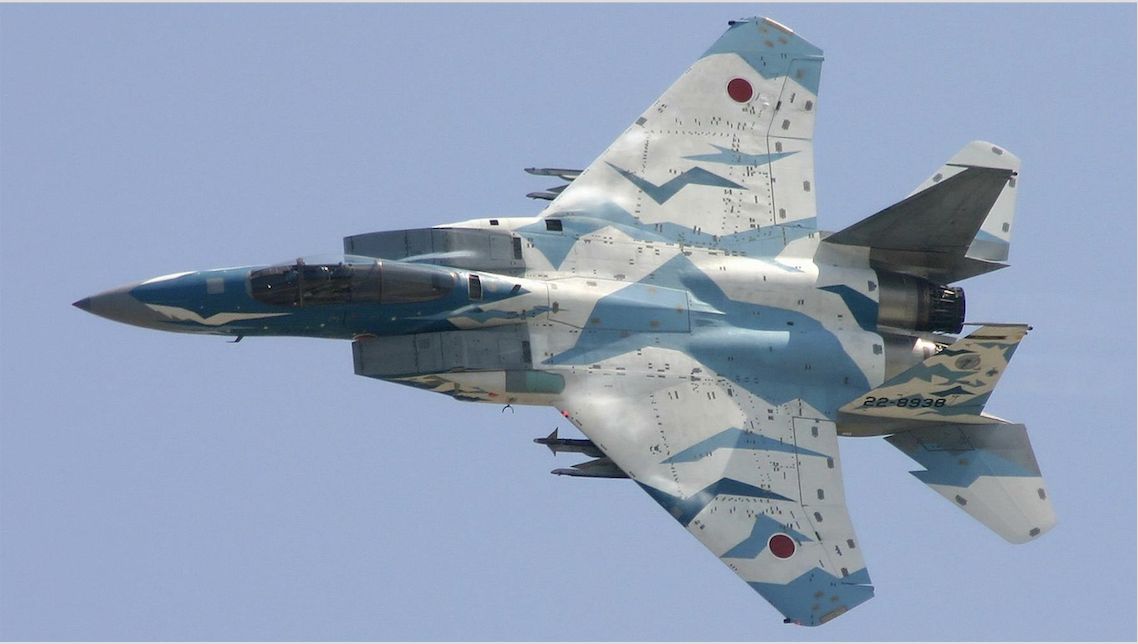
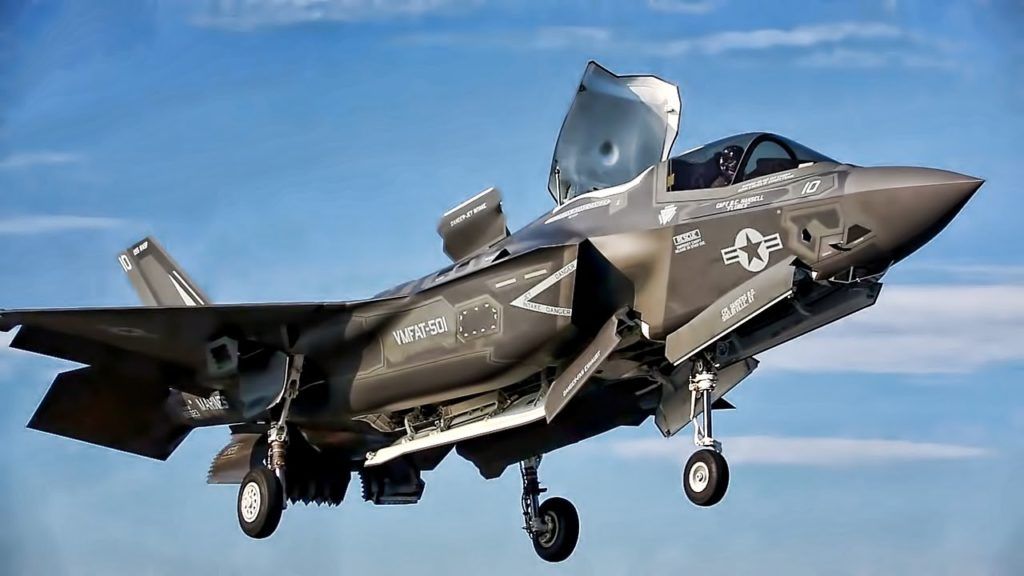
Japan was the first country in the Asia-Pacific to deploy a full combat ready squadron of the F-35A, and is the largest export client for the platform with around 150 planned. The country’s inability to acquire American F-22 Raptors, in which it had previously shown considerable interest, led it to instead invest in lighter and cheaper jets to replace its F-15J and F-4EJ air superiority platforms - aircraft which are heavier, faster and higher flying than the F-35 but lack its next generation sensors and stealth capabilities. Plans include both the conventional runway based F-35A variant, and the more complex, shorter ranged and higher miaintenance F-35B specialised in short takeoffs and vertical landings. The latter, while considerably more costly, is capable of deploying from makeshift runways on outlying Japanese islets as well as from the country’s Izumo Class carriers.
Interviewed regarding the potential risks of the F-35’s loss, and specifically the possibility that Russia or China could recover the aircraft at sea, retired U.S. Air Force Lt. General David Deptula stated “bottom line is that it would not be good…. There is no price too high in this world for China and Russia to pay to get Japan’s missing F-35, if they can. Big deal.” While the General’s statement was likely a slight exaggeration, the value of acquiring the aircraft would be considerable to these potential American adversaries. Both powers are major U.S. military rivals which expect to see the F-35 deployed in their hundreds near their borders - in the service of three branches of the U.S. military and many of its Western allies. As the F-35 was developed as part of by far the most expensive weapons program in military history, estimated at over $1.5 trillion, and will be relied on heavily by the Western Bloc to wage war into the second half of the 20th century, access to even a partially in tact airframe could provide valuable intelligence to develop more sophisticated countermeasures. These could range from electronic warfare systems to ground based radars and seekers on anti aircraft missiles.
While U.S. doctrine and its emphasis in regards to development of next generation fighter technologies differs profoundly from both Russian and China, access to the F-35’s technologies may well also prove at least somewhat useful to these powers for integration onto there own next generation combat aircraft. Given the extent of intelligence sharing between the two, and to a lesser extent with third parties such as North Korea, acquisition of the F-35’s airframe could well considerably undermine its combat potential in the service of the United States and its allies - a prize which would undermine an investment by the U.S. Military of more than two decades and hundreds of billions of dollars in research and development. Both Russia and China retain large submarine fleets and a heavy naval presence near the area where the F-35 was lost, and it remains a considerable possibility that their underwater recovery vessels are already underway to seek the lost fighter - a unique opportunity which has never surfaced before and may not do so again for many years to come.
