
Super Samurai Eagles: Japan to Upgrade its Elite F-15J Fighters for Next Generation Warfare
Military Watch Magazine Editorial Staff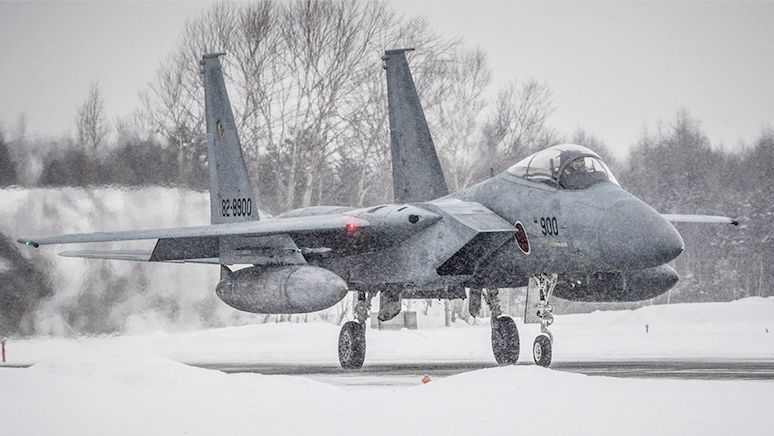
F-15J Air Superiority Fighter
The United States has approved the sale of a major upgrade package to the Japanese Air Force, which will allow the service to integrate next generation subsystems onto 98 of its F-15J Eagle air superiority fighters. These enhancements are considered critical to allowing Japanese forces to contend with next generation adversaries. Japan acquired 200 F-15J Eagle fighters from the early 1980s, and they were then considered the most capable air superiority fighters in service in any Western Air Force and a much needed asset in light of recent Soviet deployments of MiG-25 and MiG-31 heavyweight interceptors. The aircraft were set to be replaced by more modern F-22 Raptors, their fifth generation successors, from the late 2000s - but an export ban on the elite stealth fighters has meant that the Eagles will remain the country’s prime air superiority platforms for many years to come.
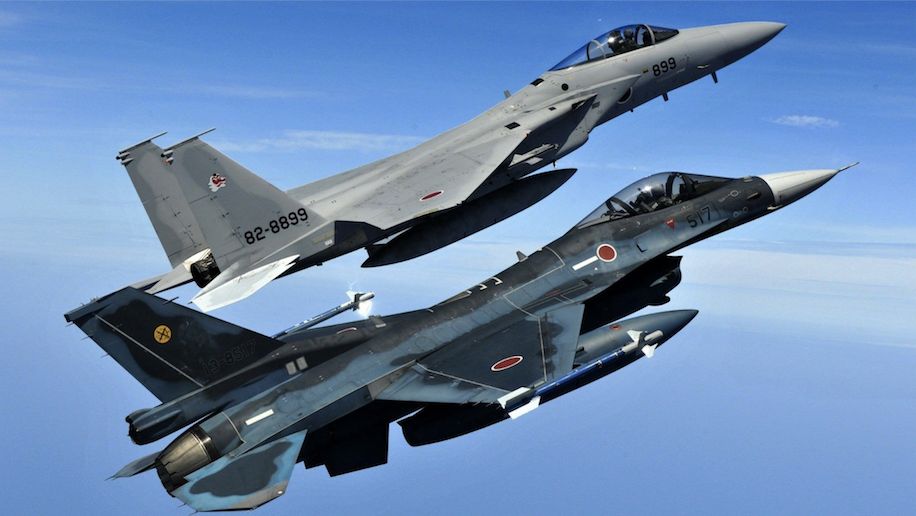
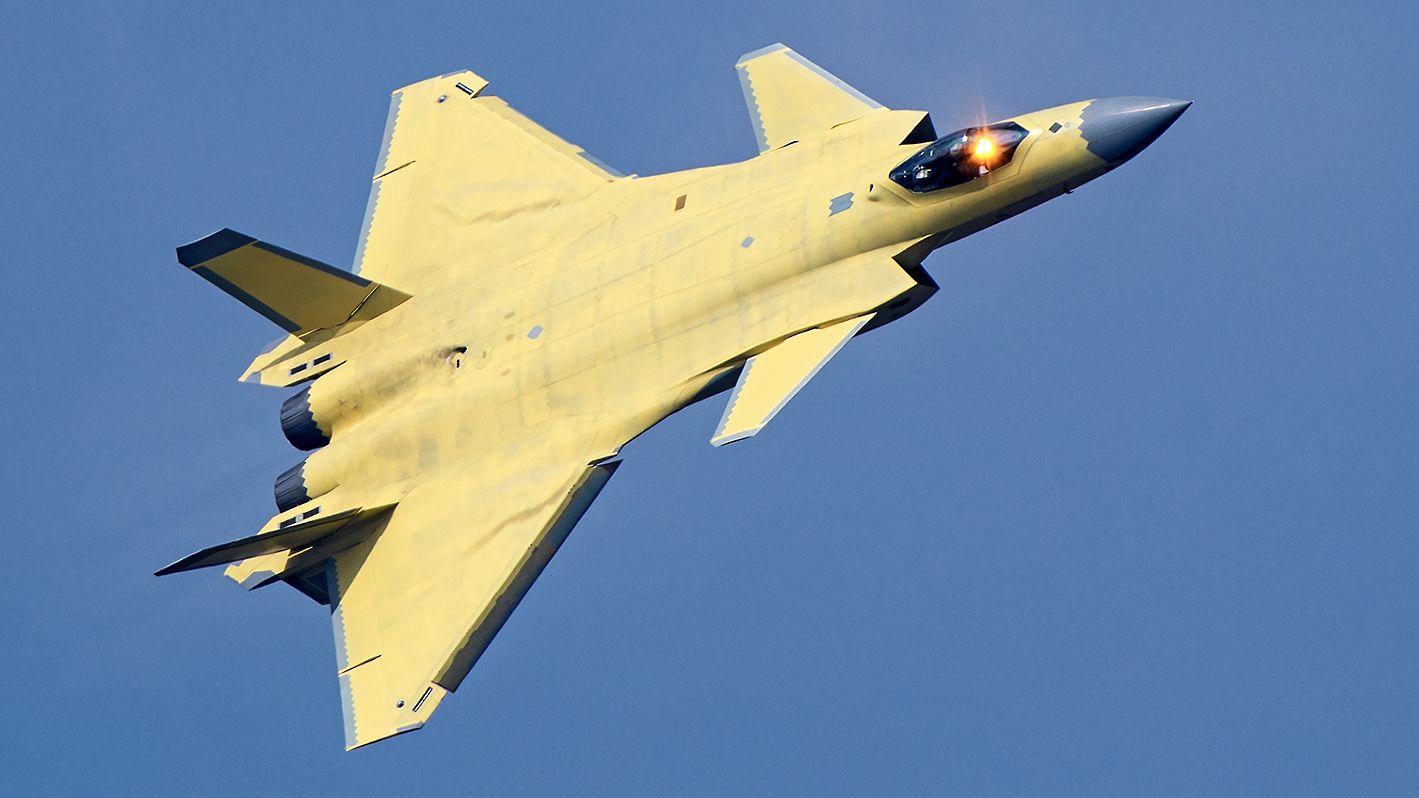
While the F-15J was the most capable fighter in East Asia at the time of its entry into service, its ability to contend with modern platforms of a similar weight range deployed by neighbouring China and Russia remains limited. The Chinese introduction of the Su-27 from 1991, followed by more advanced jets such as the Su-30, J-11B, J-16 and most recently the Su-35 and J-20 among others have all seriously undermined the F-15’s superiority. Russia has meanwhile modernised the Su-27 and MiG-31 to the Su-27SM2/SM3 and MiG-31BSM standards which far exceed the capabilities of the F-15, and the Russian Air Force has begun to deploy more advanced aircraft such as the Su-35 and Su-57 which similarly leave the F-15J effectively obsolete.
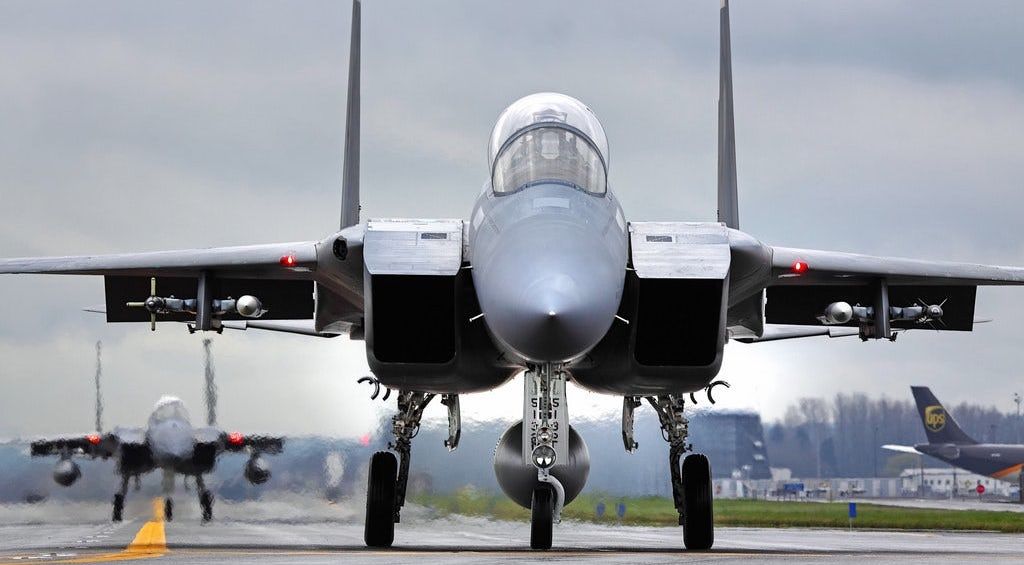
Upgrades to the F-15J have made comprehensive improvements to its capabilities - short of replacing its engines and upgrading its armaments. These include integration of a new AN/ALQ-239 Digital Electronic Warfare System, the Advanced Display Core Processor II Mission System Computer and service life extensions. The fighter’s radar is also set to be replaced by the Raytheon AN/APG-82(V)1 active electronically scanned array (AESA) radar - which will provide superior situational awareness while reducing the fighters’ radar signatures. Japan was notably the first country in the world to deploy a fighter equipped with an AESA radar in the early 2000s, and with the retirement of the F-4 Phantom the F-15 remains the only class of fighter in service which lacks such a system. The U.S. Air Force has notably initiated a similar program to integrate AESA radars onto a portion of its F-15C fleet, an analogue to the F-15J with a very similar role and performance, although these costly upgrades have not been widely applied.
Russia has notably initiated a similar upgrade program for its Su-27 fighters under the Su-27SM2 program, and while the type of sensors deployed by its Chinese analogue the J-11B remain unknown they are thought to also have been upgraded. While upgrades to Japan’s F-15s will significantly improve their performance, their ability to go head to head with modern Chinese and Russian fighters will remain limited. Foremost among the platform’s weaknesses will be a lack of updated air to air missiles, with the F-15 continuing to rely on AIM-120C for air to air combat which is restricted to a 105km range - considerably shorter than new Chinese and Russian platforms such as the R-37M and PL-15 which range 400km and 150-200km respectively. Other shortcomings including a high radar cross-section, relatively low manoeuvrability and smaller missile payload similarly limit the F-15J's competitiveness relative to newer fighters deployed by its neighbours. It is possible that upgrades to the F-15 represent a temporary solution for the Japanese Air Force as the country seeks to invest in developing a sixth generation air superiority fighter - one which is speculated to outperform the American F-22 and Russian Su-35 in its capabilities.
