
United Arab Emirates Purchases Russian S-400 Long Range Air Defences: How Will They Strengthen Its Forces Against Iran?
Military Watch Magazine Editorial Staff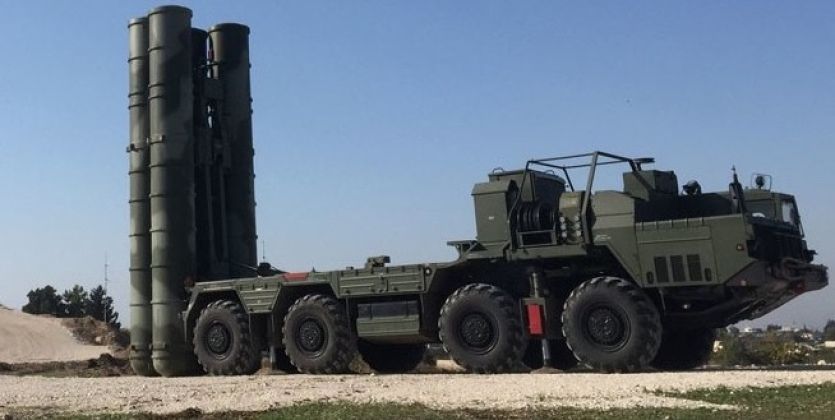
Launcher From S-400 Long Range Air Defence System
The United Arab Emirates (UAE) Ministry of Defence has agreed to purchase Russian S-400 long range air defence systems under a trilateral deal with Russia and Turkey, according to reports from multiple Middle Eastern sources. This followed reports that Turkey had agreed to sell its S-400 systems to an Arab state in the Gulf region under a U.S.-approved agreement that would allow the country to resume procurements of F-35 fifth generation fighter aircraft, the delivery of which had been suspended to pressure Ankara not to procure the air defence systems. The procurement of S-400s has significant benefits not only for the security of the United Arab Emirates, but also for that of the United States, as the UAE’s air defence network is relied on to protect a significant network of American military facilities in the Gulf State to support the U.S.-led war effort against Iran.
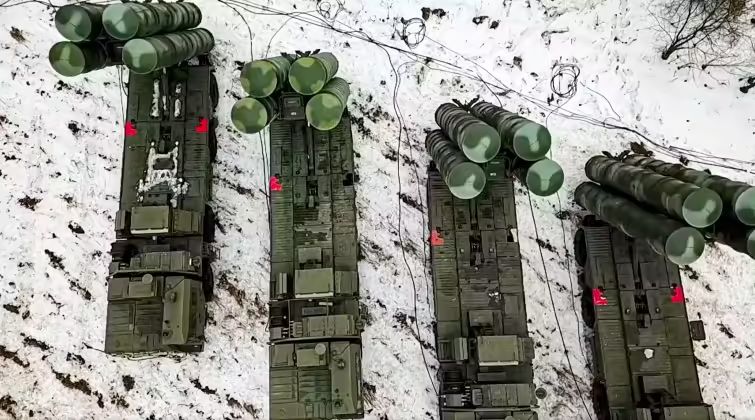
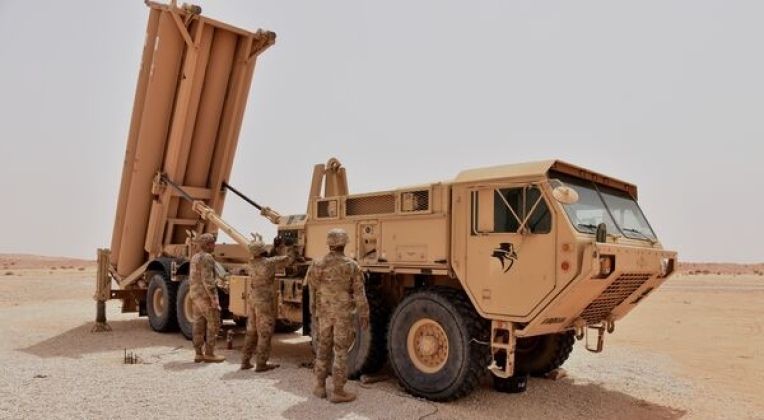
The Turkish Defence Ministry procured four battalions of S-400 air defence systems from Russia for $2.5 billion, with all of these expected to be transferred to the UAE Air Force. The acquisition would significantly strengthen one of the Middle East's most sophisticated integrated air defence networks, with the country already fielding U.S. THAAD ballistic missile defence systems and Patriot PAC-3 multirole air defence systems, as well as the South Korean KM-SAM, and Russian Pantsir air defence combat vehicles. The demonstrated shortcomings of the Patriot system, and severe shortages of interceptors for the Patriot and THAAD systems, have made the S-400 appear highly favourable to diversify the country’s air defences.
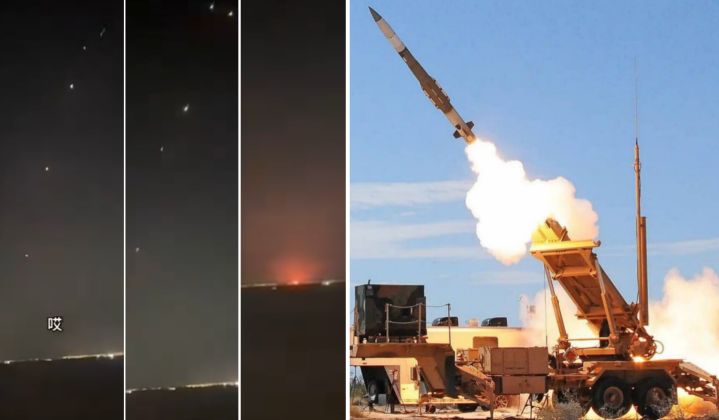
The addition of the S-400 would provide an entirely new capability against long-range aircraft, cruise missiles, unmanned aircraft, and ballistic missiles, while substantially expanding defended airspace. Russia’s considerably larger scale of missile production could also allow it to replenish expended interceptors far more rapidly than the United States has been able to for the Patriot and THAAD systems. Iranian strikes launched in response to U.S.-led attacks have already devastated the UAE’s economy, while striking multiple high value military targets including military aircraft on the ground. The S-400 has been extensively combat tested in both the Ukrainian theatre and during Indo-Pakistani hostilities in May 2025, and has been particularly highly praised by Indian officials.
The S-400 is particularly well optimised to engage targets with advanced stealth capabilities, and uses multiple types of radars operating in complementary wavebands to be able to achieve target locks on such targets at much longer ranges than is possible for other systems. A significant question remains regarding whether the systems have integrated the new 40N6 surface-to-air missiles, which have been sold to India and China, and substantially expanded the S-400’s defended area, interception envelope, and engagement flexibility against ballistic missile threats. The missiles extend the system’s engagement range from 250 to 400 kilometres, and introduced a much more capable active radar seeker.
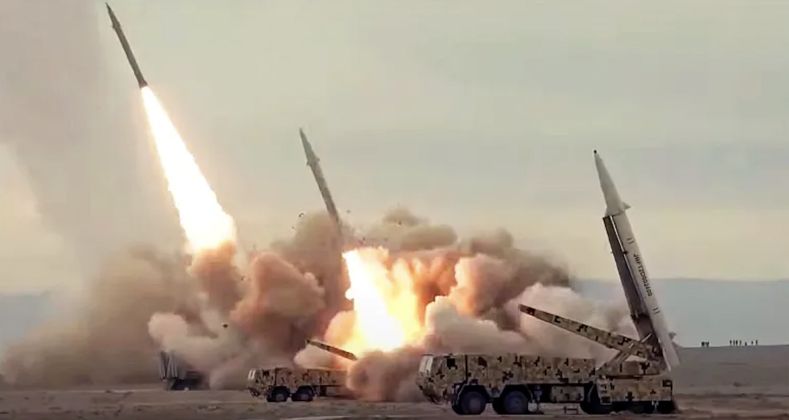
It remains uncertain how Iranian forces will counter S-400 deployments, with a significant possibility remaining that they will rely on low cost single use drones to target key parts of the systems such as launchers and radars. Although far more versatile than Western systems, the S-400 is constrained in its ability to engage large numbers of low value attack drones. The United Arab Emirates notably already has a number of S-400 related technologies in its air defence network, with the South Korean KM-SAM medium range system having been developed relying heavily on technology transfers from Russia related to the S-400 and S-350 systems.
