
South Korea Makes Emergency Missile Defence Airlift to Bolster U.S. and UAE Defences Against Iranian Strikes
Military Watch Magazine Editorial Staff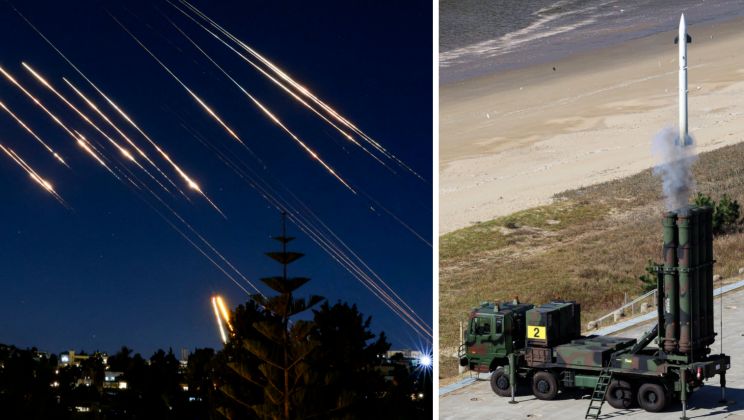
South Korean Cheongung-II Launch and Iranian Ballistic Missile Strike
South Korea has conducted an emergency airlift of surface-to-air missiles missiles from the Cheongung-II air defence system to the United Arab Emirates (UAE), as the country’s air defences have faced unprecedented challenges from Iranian missile and drone strikes from February 28. The airlift was conducted using a Republic of Korea Air Force C-17 strategic transport, after approximately 30 interceptor missiles were drawn directly from South Korea’s own operational reserves, highlighting the urgency of sustaining the layered missile-defence network protecting UAE territory. This is critical not only to sustaining the defence of strategic and military targets in the United Arab Emirates, but also to sustaining the U.S. Armed Forces’ and French Armed Forces ability to continue to wage war on Iran using military bases in the country, most notably Al Dhafra Air Base.
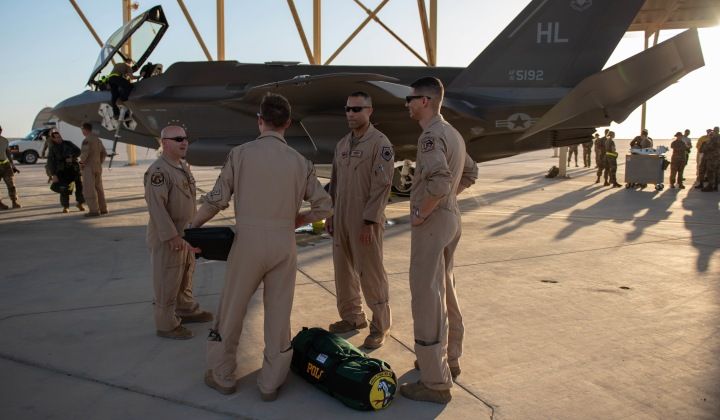
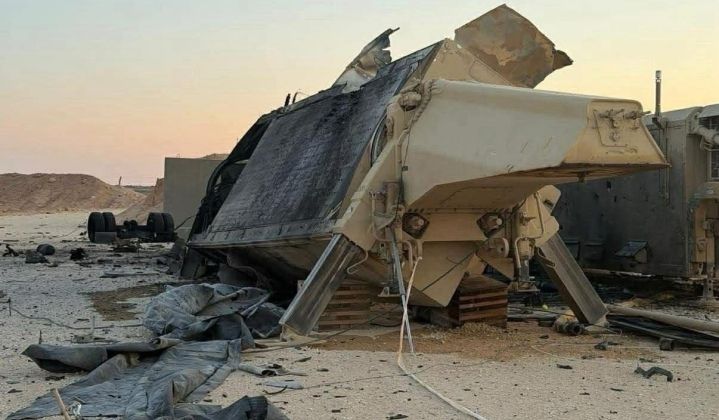
The importance of the Cheongung-II system, otherwise known as the KM-SAM, has grown as the UAE’s U.S.-supplied THAAD and MIM-104 Patriot anti-ballistic missile systems has been assessed to be running extremely short of surface-to-air interceptors, while the system’s sole radar, the AN/TPY-2, has been destroyed by Iranian strikes. Iran began to launch missile and drone attacks on targets in the United Arab Emirates after the country’s territory was used by the United States as a staging ground to attack Iran, as part of a campaign which killed the country’s supreme leader and had devastated both civilian and military targets across the country. The Cheongung-II uses both indigenous and Russian technologies, and was developed with extensive support from the Russian firms Almaz-Antey and Fakel based on their experience with the S-400 and S-350 systems.
The United Arab Emirates agreed to procure ten Cheongung-II medium-range surface-to-air missile batteries under a landmark US$3.5 billion contract signed in 2022, with Abu Dhabi having recently requested immediate replenishment of interceptor missiles after stocks were heavily depleted when repelling Iranian strikes. South Korea’s compliance with the request is expected to both strengthen its strategic partners, and also place it in a stronger position to market the Cheongung-II abroad in future to gain further contracts. It is notable that South Korea is the only country that is able to delivery high performing NATO-compatible air defences on such short notice, with European states’ own systems having very limited capabilities, while U.S. systems have seen stockpiles severely depleted primarily due to operations in the Middle East, but also due to large scale donations to Ukraine in preceding years.
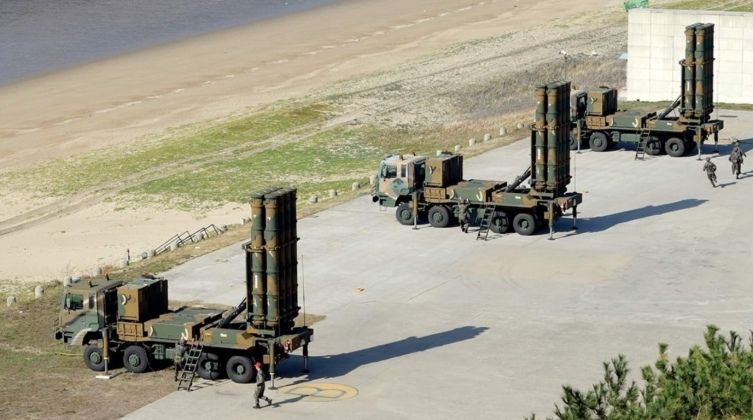
The dispatching of interceptors from the Cheongung-II system to the United Arab Emirates has occurred as the United States has itself withdrawn MIM-104 Patriot air defence systems from the country, while considering making withdrawals of THAAD systems or their interceptors as well, thus potentially compromising local defences. The Cheongung-II has been valued on international markets for allowing Western-aligned clients to acquire advanced Russian air and missile defence technologies without risking being targeted by Western political or economic pressure, including threats of sanctions which the United States has made against clients that acquire high value Russian air defence systems directly. Russia began to make extensive transfers of defence technologies to South Korea after the disintegration of the Soviet Union, while simultaneously cutting off North Korea and Iran from arms supplies as part of its geopolitical reorientation towards the Western world in the 1990s and 2000s. Although relations between Moscow and Seoul deteriorated from 2022, South Korea has taken a less hardline position over the Russian-Ukrainian War than Japan or Western Bloc states, leaving potential for further joint weapons programs and technology transfers in future.
