
New F-35 Fighter Sales to Turkey Will Strengthen the U.S. and Israel’s Positions Against Iran
Military Watch Magazine Editorial Staff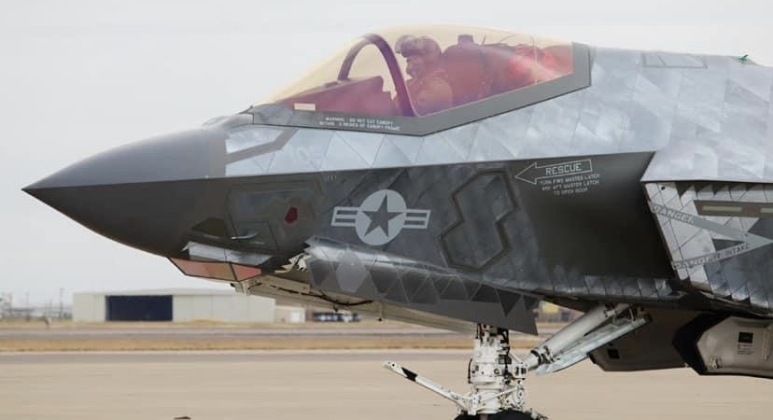
F-35 Fighter
U.S. President Donald Trump has indicated that his administration is prepared to lift economic sanctions on Turkey and consider allowing the country to acquire F-35 fifth generation fighters, potentially reversing one of the most significant defence policy decisions made during his first administration. The announcement, made during a meeting with Turkish President Recep Tayyip Erdogan at the NATO summit in Ankara, signals a major shift in U.S.-Turkish defence relations. Sanctions were imposed in 2019 under the Countering America’s Adversaries Through Sanctions Act in response to the country’s procurement of S-400 long range air defence systems from Russia, with the Act intended to minimise the market share of Russia, North Korea and Iran on global arms markets by targeting the economies of countries which purchase from them.
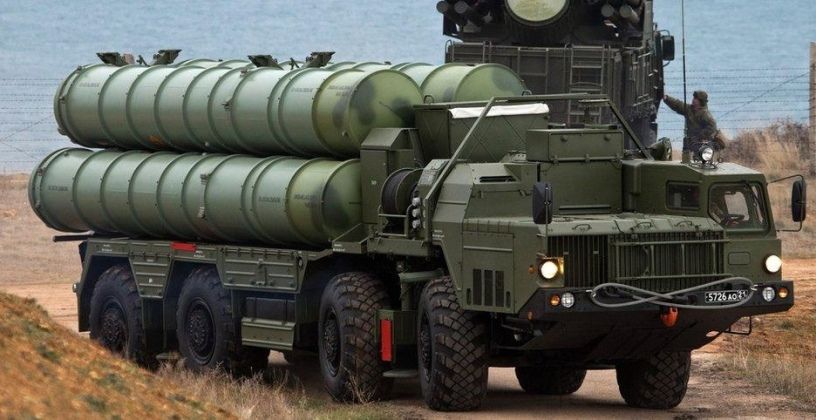
Turkey had originally been one of the F-35 program’s principal international partners, investing heavily in its development while domestic defence firms manufactured hundreds of components for the aircraft using the country’s low cost labour. Ankara had planned to procure over 100 F-35A fighters to replace its obsolete F-4E and F-16C/D fighters, which now continue to serve without replacement. One proposal reportedly being considered would see Turkey transfer its S-400 batteries to a third country, or to joint custody with the U.S. Air Force, although with Russia placing strict end-user restrictions on advanced weapons exports, Moscow has warned that this would likely require a violation of the terms of contract. There have been significant calls in the Western world to have Turkey sell the systems to Ukraine.
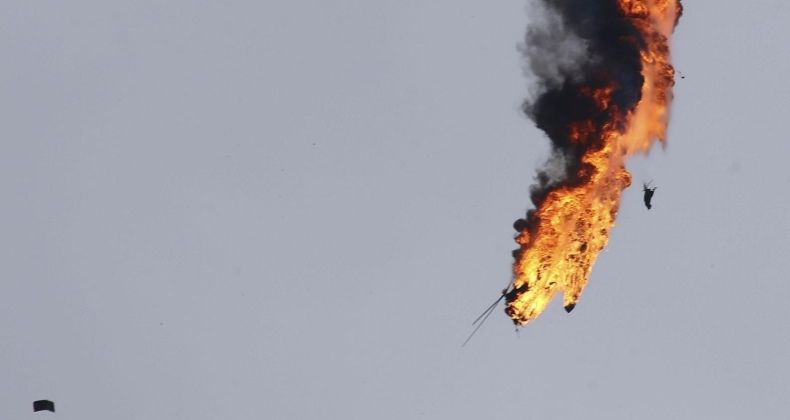
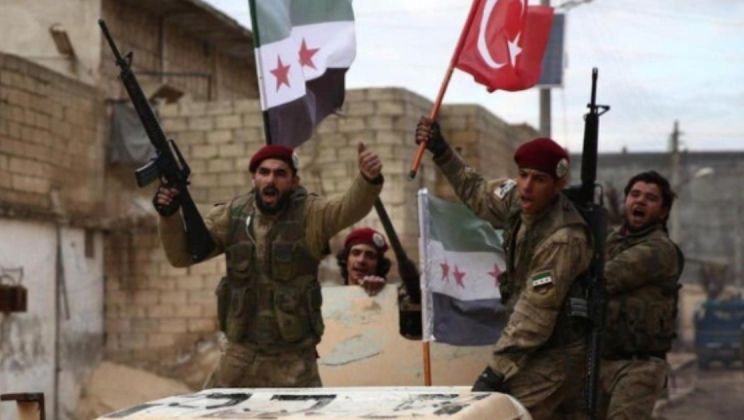
Turkey has played a central role in advancing broader Western Bloc and allied Israeli joint policy objectives in the Middle East, and was a particularly central supporter of the insurgency against the Syrian government from 2011-2024, which culminated in Damascus’ defeat and Iran’s isolation in the region. Turkish and Israeli forces’ attacks on Syrian and Hezbollah forces during this period often appeared to be closely coordinated. After the Iranian Islamic Revolutionary Guard Corps destroyed much of the U.S. and allied radar network across the Middle East from February 2026, Israeli and U.S. Army and Navy units became heavily reliant on missile early warning data from radars in Turkey, specifically the Kurecik Radar Station in the country’s Malatya province which provided invaluable support. Turkey also serves as a vital supplier of oil to Israel by transiting shipments from its close strategic partner Azerbaijan. Illegal Turkish procurements of Iraqi oil through Ankara’s ties to the Islamic State terror group in the 2010s had also resulted in much of this being sold on to Israel.
In March the Turkish Air Force deployed six F-16C/D fighter aircraft to support NATO’s air defences in northern Cyprus, after British F-35B fighters based there were credited with shooting down multiple drones near the island. This represents part of a quick-reaction air policing operation, at a time when multiple NATO members including France and Italy had by then also deployed assets to the region to support collective Western Bloc defences against Iran. The strengthening of the Turkish fighter fleet, which has been combat tested in recent years to strike Syrian and allied Iranian and Hezbollah forces, has the potential to allow it to play a more active role in future campaigns, including in the ongoing U.S.-led war effort against Iran. Ankara’s position as a key strategic partner of the United States and Israel in the region makes the modernisation of its combat aviation capabilities highly favourable for collective alliance interests.
