
Turkey Enters the U.S.-Iranian War with F-16 Deployment to Protect NATO’s Cyprus Bases
Military Watch Magazine Editorial Staff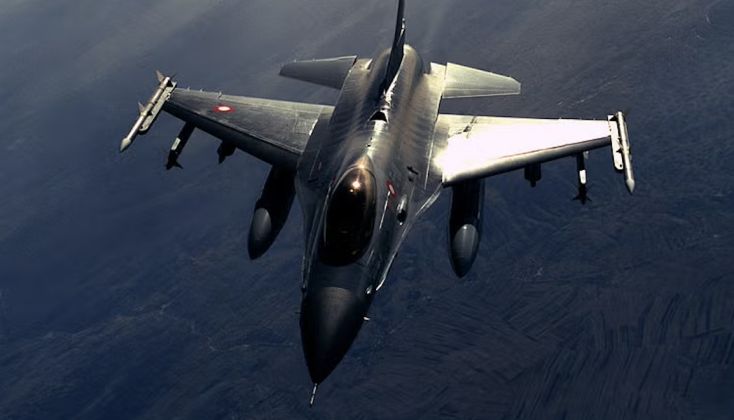
Turkish Air Force F-16
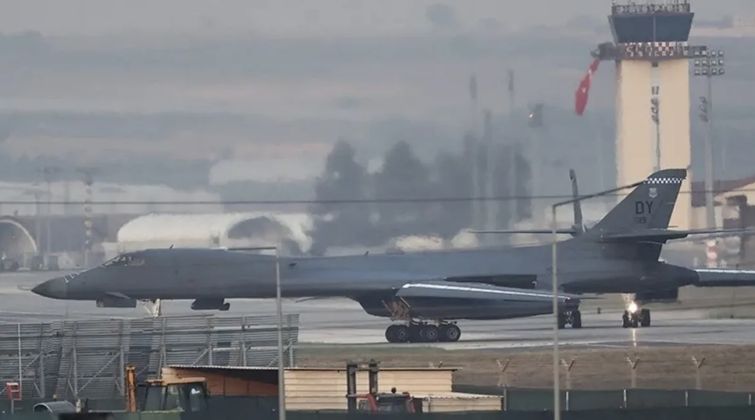
The Turkish Air Force has deployed six F-16C/D fighter aircraft to support NATO’s air defences in northern Cyprus, after British F-35B fighters based there were credited with shooting down multiple drones near the island. This represents part of a quick-reaction air policing operation, at a time when multiple NATO members including France and Italy have deployed assets to the region to support collective Western Bloc defences against Iran. This follows the United States and Israel’s initiation of a large scale assault against Iran on February 28. Turkey was previously already a significant party in the war effort, with U.S. forces using Incirlik Air Base as a major hub to supply facilities across the Middle East, while strategically located Turkish radar stations played a central role in providing data on Iranian ballistic missile attacks to warn Israeli and U.S. forces.
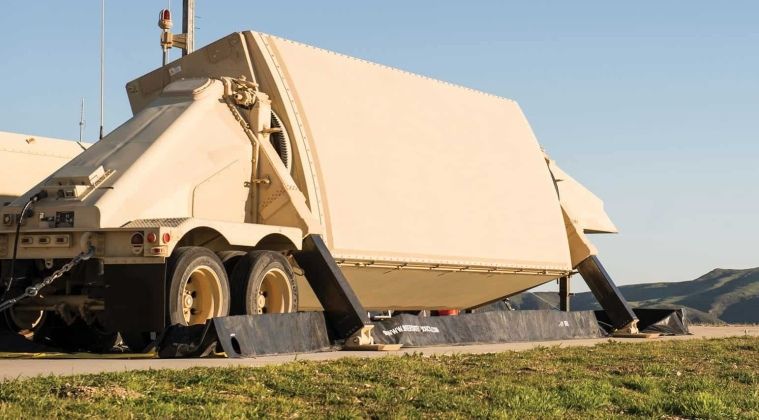
During prior U.S. and Israeli attacks on Iran from June 13-25, the Turkish Kurecik Radar Station in the country’s Malatya province played an important role in supporting Israeli missile defence efforts to block Iran’s retaliatory ballistic missile attacks. Iranian state media outlet Press TV cited officials stating on this basis that Turkey was “spying on Iran for Zionist [Israel’s] interests.” The AN/TPY-2 radar systems at the facility in question were installed by U.S. military personnel in the early 2010s, allowing it to open it 2012. While Iran has successfully targeted and destroyed AN/TPY-2 radars positioned in both Jordan and the United Arab Emirates, as well as an even higher value AN/FPS-132 radar in Qatar, the AN/TPY-2 in Turkey has yet to be targeted, possibly due to a perceived need to avoid bringing Turkey more directly into the conflict.
Preceding the initiation of direct attacks against Iran in 2025, Turkey played a primary role in the wider U.S. campaign against Iran through sustained attacks and support for jihadist paramilitary forces against Iran’s primary security partner Syria, resulting in the state’s collapse in December 2024 after close to 14 years of hostilities. During clashes between Israel and Iranian-backed paramilitary groups from 2023-2024, Turkey also served as a vital supplier of oil to Israel. Preceding this, illegal Turkish procurements of Iraqi oil through Ankara’s ties to the Islamic State terror group in the 2010s had also resulted in much of this being sold on to Israel. As the United States and Israel have faced growing setbacks in their campaign against Iran, the possibility of Turkey and other NATO members intervening more directly, including by launching strikes on Iran with their own forces or providing basing rights for sorties to be flown against Iranian targets, remain significant.
